Barry Keoghan and Harris Dickinson Step Into The Beatles Spotlight as First-Look Images Surface

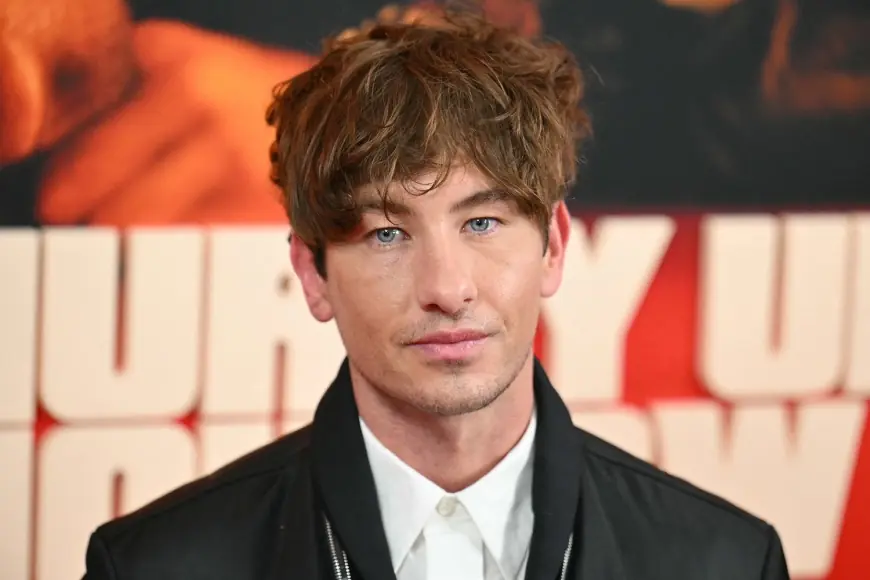
Barry Keoghan and Harris Dickinson are trending together for a simple reason: both have now been seen in character for a major four-film Beatles biopic project, with Keoghan portraying drummer Ringo Starr and Dickinson portraying John Lennon. The reveal, distributed as postcard-style images through a Liverpool performing arts school on Thursday, January 29, 2026 ET, marks the first official glimpse of how the production intends to present its “Fab Four” on screen.
The timing matters. Instead of a conventional teaser trailer, the rollout used a tactile, fan-scavenger approach that quickly spilled into wider online conversation. For a project this large, even a single still image becomes a referendum: on casting, resemblance, costuming, and whether the films will lean into imitation, interpretation, or something in between.
Why Barry Keoghan’s Ringo Look Is Driving the Buzz
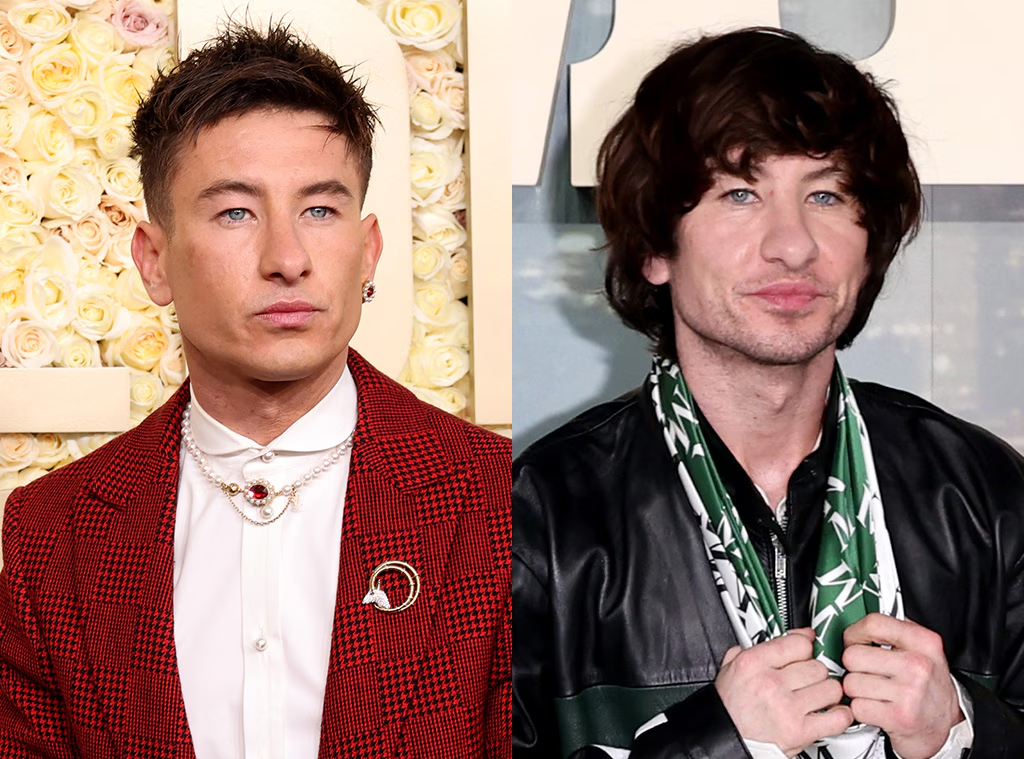
Keoghan’s transformation has been the most instantly recognizable visual hook so far, helped by a mop-top hairstyle that signals the early-to-mid 1960s Beatles era without needing a caption. His “in the wild” public appearance with longer hair in the days leading up to the postcards added fuel, because it suggested the role prep is already bleeding into his day-to-day presentation.
Keoghan also enters the project with a reputation for high-intensity character work. That cuts two ways in a biopic: it can deliver an uncannily specific portrayal, or it can pull focus if audiences feel the performance is “an actor doing a famous person” rather than embodying the person. The early image is meant to reassure viewers on the basics: the look is credible, the era is clear, and the production is taking the transformation seriously.
Harris Dickinson as John Lennon: The Hardest Needle to Thread
Dickinson’s casting as Lennon comes with built-in pressure because Lennon’s public image is both iconic and contested. He is remembered through multiple lenses: artistic brilliance, political provocation, sharp humor, vulnerability, and contradictions that biopics often soften or overcorrect.
The first-look image is doing strategic work here too. It is less about “perfect resemblance” and more about establishing a believable Lennon silhouette: posture, hair, wardrobe, and a mood that reads as period-accurate. If Keoghan’s picture sells transformation, Dickinson’s picture sells tone.
The Bigger Project: Four Films, Four Perspectives, One High-Risk Release Plan
This is not a single Beatles movie. It is an interlocking set of four films, each told from one band member’s perspective, all scheduled to arrive in theaters in April 2028. That format raises the creative ceiling and the logistical risk at the same time.
Creatively, the multi-perspective approach can solve a common biopic problem: flattening a group into one protagonist and three side characters. Structurally, it allows the films to overlap events while reframing them through different relationships, resentments, and motivations.
Commercially, releasing four films in close proximity is a gamble on audience appetite and on theatrical scheduling. It asks moviegoers to treat a biopic like a cultural event series, not a one-and-done ticket.
Who Else Is In the Mix
Alongside Keoghan and Dickinson, the core quartet includes:
-
Paul Mescal as Paul McCartney
-
Joseph Quinn as George Harrison
A broader supporting ensemble has been attached to portray key figures in the Beatles’ personal and professional orbit, including partners, managers, and collaborators who shaped their rise and internal dynamics. The casting breadth signals a story that intends to live in relationships, not just in recreating famous performances.
Behind the Headline: Context, Incentives, Stakeholders, Missing Pieces
Context: Beatles stories have been told many times, but the rights environment and fan expectations have changed. The bar is now higher for musical authenticity, period detail, and emotional complexity. At the same time, audiences are quicker to punish anything that feels sanitized or opportunistic.
Incentives: The production’s incentive is to promise legitimacy early, and first-look images are the fastest way to do that without giving away scenes. For Keoghan and Dickinson, the incentive is clear: lock in public acceptance now, before the online narrative hardens into “miscast” discourse that can linger for two years.
Stakeholders: Surviving band members and estates have reputational stakes. Fans want both authenticity and honesty. The music industry has stakes in how the band’s legacy is framed. The theatrical marketplace has stakes in whether a multi-film strategy can still work at scale.
Missing pieces: The biggest unknown is the storytelling posture. Will the films prioritize myth-making, or will they confront the band’s conflicts and contradictions directly. Another unknown is how the music will be deployed: as nostalgia wallpaper, or as a narrative engine that shows craft, rivalry, and evolution in real time.
Second-order effects: If the four-film strategy succeeds, it could normalize bigger theatrical “event” biopics that behave more like limited series while still living in cinemas. If it stumbles, studios may retreat to safer, single-film templates.
What Happens Next: Realistic Scenarios to Watch
-
A controlled drip of more images and cast confirmations if the team wants to steer conversation without revealing footage.
-
A first teaser built around mood rather than performance, to avoid early backlash about imitation.
-
A shift toward behind-the-scenes credibility signals, such as musical preparation and period production detail.
-
Fan debates intensify around which era the films are emphasizing, depending on hair, wardrobe, and visual cues.
-
A release-plan recalibration if the industry landscape changes between now and 2028, especially around theatrical scheduling.
For now, the headline is straightforward: Keoghan and Dickinson have entered the Beatles conversation in full costume, and the project has begun the long, delicate job of convincing audiences that four separate films can feel both epic and intimate at the same time.