























Wesley Snipes Trends After Kim Kardashian Says He “Saved” Her as a Teen in New York

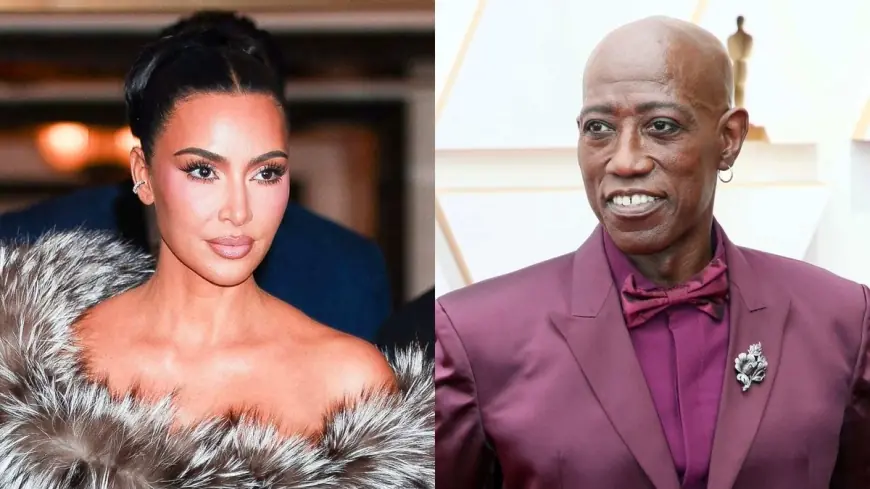
Wesley Snipes is back at the center of pop-culture conversation after Kim Kardashian shared a decades-old story that recasts the action star as an unlikely guardian angel in a tense moment from her teenage years. In a recent podcast appearance released this week, Kardashian said Snipes helped her get home safely when she was 17, alone, and stranded after a late-night outing in New York City—then delivered a stern breakfast lecture that she says changed how she moved through the world.
The anecdote spread quickly because it hits a rare sweet spot: a famous person describing another famous person doing something ordinary, human, and quietly consequential—without cameras, publicity, or a brand tie-in.
What Kim Kardashian Says Happened That Night
Kardashian described being in New York as a teenager with friends, ending up at a late-night gathering, and realizing she had no money, no ride, and only an address written down. As she was trying to leave the building, she said she ran into Snipes and asked him for help getting home.
She says Snipes agreed—on one condition: they would stop for breakfast first. During the meal, Kardashian said, Snipes scolded her for being too young to be out so late and warned her about the risks of putting herself in vulnerable situations. She framed the moment as a jolt of fear and clarity that stayed with her, adding that she has never seen him again since that night.
Whether listeners interpret the story as a dramatic “saved my life” moment or as a formative wake-up call, the key detail is the same: Kardashian says she believes that one encounter altered her choices at an age when small decisions can snowball into big consequences.
Why This Story Resonates Now
Snipes has long been defined in public by swagger, physicality, and intensity—an actor whose screen presence feels like a dare. So a story about him offering a ride, insisting on food, and playing the role of a protective adult lands as a tonal surprise. That contrast is part of why it traveled so fast online: it’s an off-screen version of “hero” that doesn’t require stunts, weapons, or a script.
It also arrives in an era where celebrity is often processed as content first and character second. A story that suggests someone behaved decently without an audience plays like a corrective to a culture that assumes everything is performance. People aren’t only reacting to Snipes; they’re reacting to the idea that a famous stranger can intervene in a dangerous moment and disappear back into anonymity.
Behind the Headline: Incentives, Stakeholders, and the Missing Pieces
Context matters. Kardashian’s career has made her a master storyteller of personal mythology—turning incidents into lessons, and lessons into identity. Snipes, by contrast, has often kept his private life at a distance, letting roles and reputation do the talking. That difference shapes how the public receives the anecdote: Kardashian is expanding her narrative; Snipes is being drafted into it.
The incentives are clear on both sides. For Kardashian, sharing a vivid story humanizes her past and reinforces a theme of hard-earned maturity. For Snipes, even unprompted, the story functions like reputation rehab without any formal effort: it paints him as protective, principled, and observant—traits that play well in a moment when audiences are hungry for signs of decency from powerful men.
But the missing pieces are just as important. Snipes has not publicly confirmed or commented on the story. There are no additional witnesses offering a parallel account. That doesn’t mean it didn’t happen—it simply means the public is working with a single-person recollection that has been amplified at scale. In the attention economy, one vivid retelling can become “fact” in the way people repeat it, even as key details remain unknowable.
Second-order effects are already visible. The anecdote is prompting renewed interest in Snipes’ legacy and a fresh wave of clips, interviews, and nostalgia posts. It also nudges the conversation toward something rarer: safety, mentorship, and the thin line between a scary night and a story you live to tell.
What Happens Next: 5 Realistic Scenarios to Watch
-
Snipes publicly acknowledges the story in a brief, good-natured response, turning the moment into a neat cultural loop-closure.
-
He stays silent, allowing the story to function as a low-drama reputation boost with zero engagement.
-
The moment sparks broader discussion about teen safety, nightlife vulnerability, and the way strangers sometimes step in when systems fail.
-
The story gets distorted as it spreads—details sharpened, timelines shifted—forcing fans to confront how quickly a “true” anecdote becomes folklore.
-
Interest carries over into heightened attention on Snipes’ next on-screen move, as audiences reframe him through this unexpected lens.
For now, the takeaway is simple: Wesley Snipes is trending not because of a new film announcement or a headline-making controversy, but because one widely shared story paints him as the kind of person who noticed a kid in trouble, did something practical, and tried to steer her away from danger—then walked away without asking for credit.