Celine Cremer Tasmania case reaches painful turning point after human remains found near Philosopher Falls

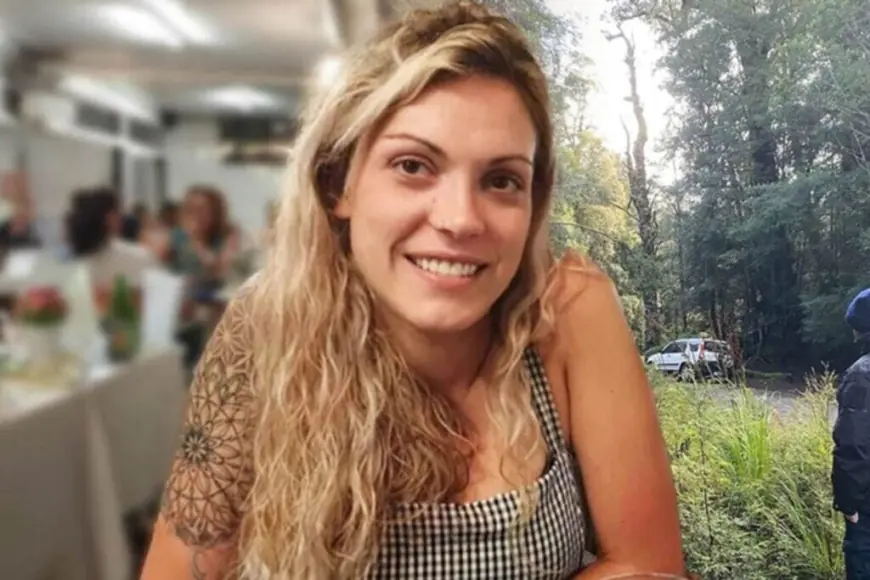
The Celine Cremer Tasmania disappearance has taken a major development after human remains were found in remote bushland near Philosopher Falls, close to where the Belgian backpacker vanished in June 2023. Police said the remains were located on Wednesday, January 28, 2026 ET, during an ongoing volunteer-led search effort in the Waratah region of Tasmania’s northwest.
Formal forensic analysis is required before authorities can confirm whether the remains are Celine Cremer’s. The cause of death has not been determined, and investigators have not outlined a complete sequence of events leading from her last known movements to where the remains were discovered.
Remains located along a rugged corridor near Arthur River
Police said the remains were found in dense terrain a short distance from the Philosopher Falls area, a region known for thick forest, steep gullies, and fast-changing weather. The discovery site sits in the broader bushland network north-east of the main car park used by hikers, where Cremer’s vehicle was previously located during the original investigation.
Searchers involved in the renewed effort described finding bones in a spot where visibility is limited and off-track travel quickly becomes disorienting. Authorities said a pathologist reviewed images and confirmed the remains are human, while specialist teams began the recovery process and evidence preservation steps.
Officials said Cremer’s family in Belgium has been notified of the discovery. Some specifics have not been publicly clarified, including whether the remains were scattered, how complete they are, and what personal effects, if any, were located nearby.
How the search restarted after a breakthrough discovery in late 2025
Cremer, who was 31 at the time, disappeared after a bushwalk near Philosopher Falls on June 17, 2023. She was reported missing by her family nine days later, prompting a large-scale search that used ground crews, aerial support, drones, and specialist rescue methods. Police found her vehicle at the Philosopher Falls car park and later said expert medical advice suggested survival was unlikely given freezing temperatures, rain, snow, and wind.
The official search was scaled back about two weeks after it began, leaving the case unresolved and the landscape largely unchanged: thick undergrowth, limited sight lines, and miles of terrain where a person can step off a track and vanish from view.
A turning point came in December 2025, when an independent search effort ramped up with volunteers working in coordination with a private investigator. On the first day of that renewed search, Cremer’s mobile phone was located about 300 metres off the walking track. Items described as a water bottle and a damaged garbage bag were also found during the same search window, fueling hopes that a clearer search corridor could be mapped from her last known signal and likely movements. Key terms have not been disclosed publicly about the results of forensic testing on those items.
Why identification can take time, and why Tasmanian terrain complicates every step
When human remains are found in a missing-person case, confirmation usually relies on a sequence of forensic steps rather than a single test. Investigators document the scene, recover remains under strict chain-of-custody rules, and then use methods such as dental comparison, DNA analysis, and personal-effect verification to establish identity. If exposure to weather and wildlife has occurred over a long period, the process can become more complex and take longer.
This is also why remote bush searches can go cold even with intensive resources. Tasmania’s northwest wilderness can feature dense vegetation, slick rock, steep embankments, and waterways that shift after storms. A person who leaves a marked track may travel farther than expected while trying to regain direction, and thick scrub can hide clothing, gear, and even a body within a few metres of searchers. In winter conditions, hypothermia risk rises quickly, decision-making deteriorates, and the chance of a survivable outcome drops sharply without shelter and reliable navigation.
Further specifics were not immediately available about whether investigators believe Cremer followed the river corridor, attempted to return to her vehicle by a different route, or became immobilized by injury or exposure.
What this means for families, volunteers, and the region, and the next official milestone
The impact is immediate for at least two groups: Cremer’s family and friends, who have spent more than two and a half years without answers, and the volunteer searchers who dedicated time and resources to keep looking after the initial operation ended. Local communities and businesses connected to hiking tourism are also affected, as a high-profile tragedy can reshape how visitors perceive safety, preparation, and the risks of off-track exploration.
For many in the region, the case has become a reminder that popular walking areas can still be unforgiving when weather turns, when visibility drops, or when a hiker is underprepared for a short outing that becomes longer than planned. It also highlights the value and limits of technology: a phone signal can narrow a search, but it cannot guarantee quick recovery in terrain that fights visibility at every step.
The next verifiable milestone is a police briefing scheduled for Wednesday night, January 28, 2026 ET, where authorities are expected to outline what can be shared publicly about the discovery and the forensic process ahead. After that, the crucial next step will be the completion of formal identification testing, followed by any coroner-led findings that may explain how and when Cremer died.