

















Rubio Testifies on Venezuela as Trump Issues Threats to Iran

The political landscape in the United States has become increasingly volatile, especially concerning public officials like Representative Ilhan Omar. Recently, she was targeted during an event in North Minneapolis. This incident sparked discussions on the rise of violence against lawmakers and the impact of political rhetoric.
Ilhan Omar’s Experience of Violence at Town Hall
During a town hall event, Omar faced a violent attack from an individual who rushed the stage and sprayed her with a noxious substance. This alarming incident occurred while she was addressing her constituents about pressing immigration issues, particularly referencing the death of an immigrant at the hands of federal agents.
The Context of Political Violence
This attack exemplifies the chilling atmosphere many public officials now navigate. Several lawmakers have curtailed their public engagements due to fears of violence. Omar’s experience is particularly notable, as she has faced heightened threats since her election in 2018, coinciding with long-standing animosity from former President Donald Trump.
Trump’s Inflammatory Rhetoric
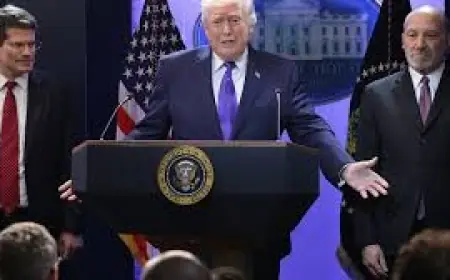
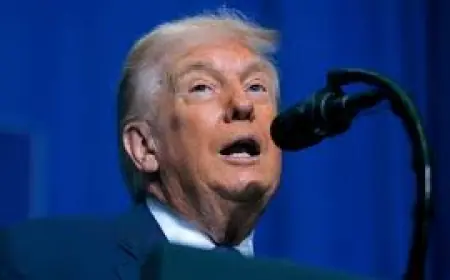
Donald Trump has routinely targeted Omar through disparaging comments, labeling her with inflammatory statements. His rhetoric often garners applause from his supporters but raises significant concerns about potential consequences, including direct violence.
- Trump’s remarks about Omar have included calling her “garbage” and suggesting she should “go back” to her home country.
- During rallies, chants such as “Send her back!” have emerged, reflecting Trump’s influence on public sentiment.
- The former president has openly mocked Omar’s appearance and heritage, which critics say contribute to the hostile environment she faces.
Lawmakers Respond to Violence Against Omar
In light of the attack, some political figures have expressed their thoughts on the culture of violence directed toward public officials. Ranging from grassroots activists to prominent elected officials, reactions highlight the urgent need to address political civility.
Representative Alexandria Ocasio-Cortez remarked that the attack on Omar came after sustained attacks from Trump. She emphasized the need for leaders to reflect on their language and accountability.
Omar’s Resilience in Adversity
Despite the attack, Omar displayed remarkable composure. She refused to be intimidated, stating, “I’m built that way,” and continued with her public schedule as planned. Such resilience underscores her determination to remain a vocal advocate for her constituents.
The Broader Implications
Omar’s ongoing challenges reflect broader implications for political figures, especially those from marginalized backgrounds. The rise of violence against lawmakers raises serious questions about free speech, public safety, and the responsibilities of political leaders to foster a safe discourse.
The events surrounding Ilhan Omar and the threat of political violence demonstrate the urgent need for a national dialogue on civility, the consequences of inflammatory rhetoric, and the protection of democratic processes. As Omar continues her work amid threats, her strength serves as a poignant reminder of the challenges faced by many in public office today.