






















Mark Carney Confirms Plan for Canada-U.S. Split, Pursues 12 New Trade Deals

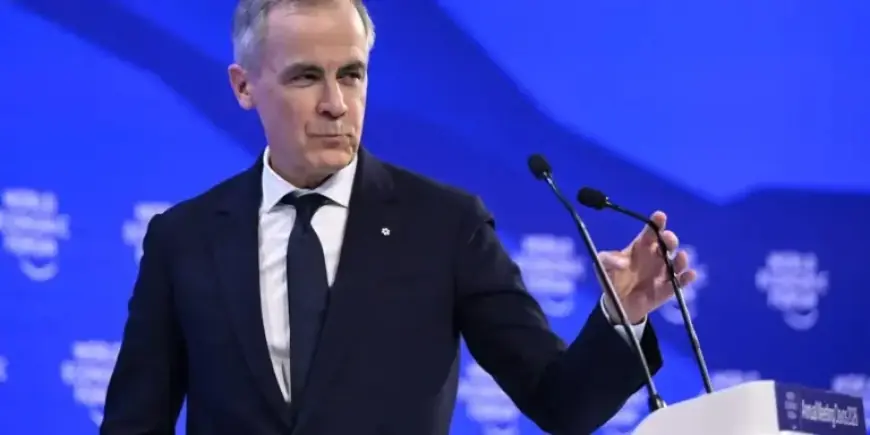
Canadian Prime Minister Mark Carney has announced a strategic pivot towards diversifying trade relationships during a recent Cabinet meeting in Ottawa. This decision comes in response to evolving U.S. trade policies under President Donald Trump, with Carney confirming plans for twelve new trade deals across four continents.
Mark Carney’s Trade Strategy
In a phone call with President Trump, Carney reiterated his commitment to this trade diversification, stating, “I meant what I said in Davos.” His comments were a response to Trump’s earlier remarks regarding tariffs and trade relations between Canada and the U.S.
Key Elements of the Announcement
- Canada aims to implement twelve new trade deals.
- The target regions include countries on four different continents.
- Carney has set a goal to double non-U.S. exports over the next decade.
During the World Economic Forum in Davos, Carney’s speech drew significant attention, as he criticized economic coercion from larger nations towards smaller countries. This statement resonated widely, contrasting sharply with the current state of U.S. trade policy.
Response to U.S. Trade Threats
Trump threatened a 100% tariff on Canadian goods in response to a potential trade deal with China. However, Carney has emphasized that Canada is not pursuing comprehensive negotiations with China. Instead, he aims to bolster Canada’s trading relationships elsewhere.
Recent Developments in Trade Negotiations
Carney discussed various international issues with Trump, including Ukraine and Arctic security. The Prime Minister’s intention to strengthen ties with countries like India and Australia displays a clear shift towards reducing reliance on the U.S., which currently absorbs over 75% of Canadian exports.
Comparison to Current U.S. Practices
Dominic LeBlanc, Canada’s trade minister, highlighted similarities between Canada’s new trade approach and Trump’s previous agreements with China, where tariffs were also negotiated. This showcases an ongoing evaluation of trade dynamics amid shifting political landscapes.
As global economic conditions change, Carney’s proactive approach aims to ensure Canada’s interests are represented. “Middle powers must act together because if you are not at the table, you are on the menu,” Carney stated, emphasizing the importance of collaboration among countries to counterbalance larger powers.
As discussions about the United States-Mexico-Canada Agreement (USMCA) renewal loom this year, the focus on diversifying trade deals could shape Canada’s economic landscape for years to come.