
























Arijit Singh steps away from film playback singing, signals a new chapter on his own terms

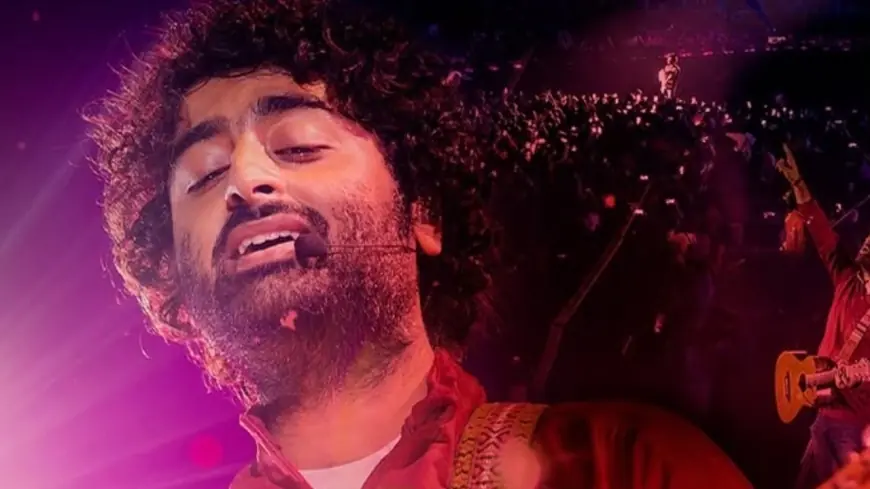
Arijit Singh announced Tuesday, January 27, 2026 (ET) that he will no longer accept new assignments as a film playback vocalist, a decision that lands as a major turning point for contemporary Indian film music. He emphasized that he is not leaving music entirely, but repositioning how, and where, he creates it.
The move immediately reshapes expectations for upcoming movie albums and collaborations, because Singh has been one of the most in-demand voices for more than a decade. It also raises a practical question the industry will have to answer quickly: who becomes the default “first call” for big romantic themes and high-stakes title tracks when a go-to singer opts out of new film work.
What he said, and what he didn’t
In a short statement shared publicly, Singh framed his decision narrowly: no new playback commitments going forward. He expressed gratitude for the journey, while making it clear the boundary is about taking on fresh film assignments rather than stepping away from music as a craft.
He also indicated he plans to complete pending playback work already in progress, meaning audiences may still hear new releases that were recorded earlier and are tied to projects already underway. Beyond that, he has not laid out a detailed roadmap, leaving the timeline and structure of his next phase intentionally open.
Why “playback” is a big lever in Indian cinema
Playback singing is not a side lane in Indian film; it’s one of the central engines of star-making, storytelling, and marketing. A singer’s voice can define the emotional identity of a character long before a film reaches theaters, and a single song can set the tone for an album rollout.
Singh’s exit from new playback work matters because he has often been the first-choice voice for contemporary Hindi film romance, heartbreak ballads, and prestige soundtracks. When that kind of default option disappears, music labels and composers are forced to diversify faster, and newer voices get opportunities that might otherwise have taken years to arrive.
A decade-plus run that became a reference point
Singh’s ascent turned into a sustained run starting in the early 2010s, when his film songs began to dominate playlists, weddings, long drives, and late-night headphone listening in equal measure. Tracks such as “Tum Hi Ho,” “Channa Mereya,” “Kesariya,” “Laal Ishq,” and “Binte Dil” are still used as shorthand for big-screen romance and high-emotion storytelling, even when listeners can’t name the films attached.
His recognition extends beyond popularity: he has been credited with multiple major film honors, including two National Film Awards for Best Male Playback Singer, and he was awarded the Padma Shri in 2025. Those milestones help explain why the announcement is being treated less like an ordinary career update and more like a structural change for film music.
What changes next for fans, composers, and upcoming releases
In the near term, the biggest impact is on music planning. Composers and producers often build melodies with a specific voice in mind, and Singh’s tone and phrasing have influenced how many modern film songs are written and arranged. Without him available for new work, more projects will be designed around different vocal textures from the very first demo.
For listeners, the shift may feel less abrupt than it sounds because Singh has said there are still pending recordings that could release in the months ahead. The clearer breakpoint will be on future albums that would typically have featured him but now won’t.
The open question is what “on his own terms” looks like in practice. Does he lean into independent singles, live-focused releases, or deeper experimentation that doesn’t fit film timelines? He hasn’t specified, and that uncertainty is part of what’s fueling the conversation: the industry can’t yet tell whether it’s losing a voice, or simply seeing that voice move to a different stage.