























Jackée Harry steps into 2026 with a candid facelift reveal and a renewed spotlight on her “Days of Our Lives” era

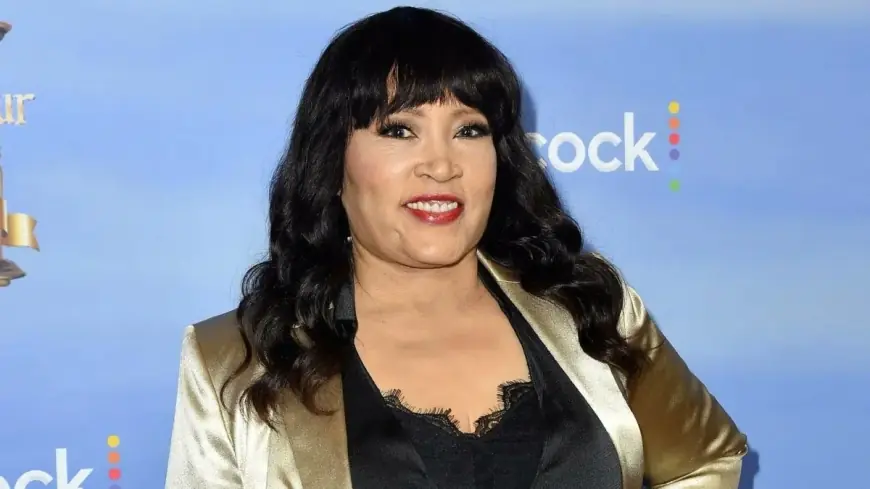
Jackée Harry is back in the center of pop-culture conversation in late January 2026, and this time it is not just nostalgia for her scene-stealing comedy years. In recent days, Harry publicly discussed undergoing a deep-plane facelift in fall 2025, describing the decision as something she weighed for years and saying the result still feels like her, not a different person. The timing matters: she is also in the middle of a prominent run on “Days of Our Lives,” where her character, Mayor Paulina Price, remains a major driver of story.
What makes this moment newsworthy is less the procedure itself and more the choice to talk about it plainly. Celebrity cosmetic work is often surrounded by vague language or denial. Harry’s approach is direct, personal, and tied to a broader conversation about aging, visibility, and body image in an industry that still rewards youth.
What Jackée Harry shared about her facelift and how she framed the decision
Harry has described the facelift as a long-considered step rather than an impulsive makeover. She has spoken about fears that many people share but rarely hear articulated by famous performers: worries about pain, recovery, and the risk of no longer recognizing yourself afterward.
Her most striking point is also the simplest: she has said she still feels like herself. That framing pushes back against the idea that cosmetic surgery automatically equals “becoming someone else,” while also acknowledging the emotional stakes that come with changing your appearance under public scrutiny.
She has also addressed body dysmorphia in the way many celebrities avoid, presenting it as an ongoing challenge rather than a one-time hurdle. Just as important, she has signaled a boundary: satisfaction now, and a desire not to spiral into an endless cycle of procedures.
Why this lands now: Jackée Harry’s on-screen visibility is rising again
Harry’s current career phase is defined by steady, high-volume work and a character with real power. On “Days of Our Lives,” Mayor Paulina Price is not a background role; she is a catalyst for conflict, family tension, and civic stakes inside the show’s world. In a medium where characters can be written out quickly, her staying power signals both audience connection and creative commitment.
At the same time, her legacy is built for rediscovery. She won an Emmy in 1988 for “227,” and later became a familiar comedic anchor for a new generation through “Sister, Sister.” That cross-era recognition makes her especially searchable: longtime fans recognize the name, newer fans recognize the face, and both groups are primed to click on anything that feels like a “where is she now” update.
Behind the headline: the incentives, stakeholders, and what’s really being negotiated
This story sits at the intersection of personal autonomy and an industry that prices appearance into opportunity.
Context matters. Performers, especially women, face an unspoken math problem: roles can narrow with age even as skill deepens. When a veteran actor is candid about cosmetic work, it can read as vulnerability. It can also be a strategic act of control, taking the narrative away from whispers and placing it in her own voice.
The incentives are layered:
-
For Harry, transparency can reduce stigma while reframing the choice as self-definition rather than insecurity.
-
For producers and casting decision-makers, a viral conversation around a performer can translate into higher attention, more tune-in, and greater cultural relevance.
-
For the cosmetic industry, high-profile honesty can normalize procedures and expand demand.
-
For audiences, the reveal can feel either empowering or depressing, depending on how they interpret beauty pressure.
The stakeholders extend beyond entertainment. Viewers, especially older women, are often the ones asked to process the contradiction: society says aging is natural, yet rewards those who appear not to age. Harry’s comments do not solve that tension, but they make it harder to ignore.
Second-order effects are already predictable. Candid celebrity disclosures can:
-
Encourage more open discussion about body image and mental health.
-
Increase pressure on everyday people to “keep up,” even if they cannot afford or do not want procedures.
-
Shift conversations toward ethics and transparency in promotional cycles, particularly when a reveal coincides with on-screen visibility.
What we still don’t know
Even with her openness, key details remain unclear, and that is normal in a personal medical story:
-
How long her recovery took and what the experience was like day-to-day
-
Whether she has plans to continue discussing body image publicly or prefers to move on
-
How the attention will affect her future roles and public appearances
What happens next: realistic scenarios to watch in early 2026
A few grounded possibilities are now in play, with clear triggers:
-
The conversation fades quickly and the focus returns to her performances. Trigger: the news cycle moves on and the show’s storyline dominates attention.
-
She becomes a louder voice on aging and body image in entertainment. Trigger: follow-up appearances where she expands on dysmorphia, confidence, and boundaries.
-
Her visibility translates into more guest roles and new projects. Trigger: sustained audience interest and casting momentum.
-
Backlash or misinterpretation reshapes the narrative. Trigger: social media framing that reduces her story to a shallow before-and-after debate.
Why it matters
Jackée Harry’s news moment is ultimately about agency: taking a deeply personal decision and refusing to let it be treated as gossip. In an entertainment economy that still commodifies women’s faces, her message cuts through because it is neither defensive nor performative. It is a veteran performer saying, plainly, this is what I chose, this is how it made me feel, and I am drawing a line around what comes next.