The Super Mario Galaxy movie trailer puts Yoshi front and center as Nintendo’s next big-screen push ramps up

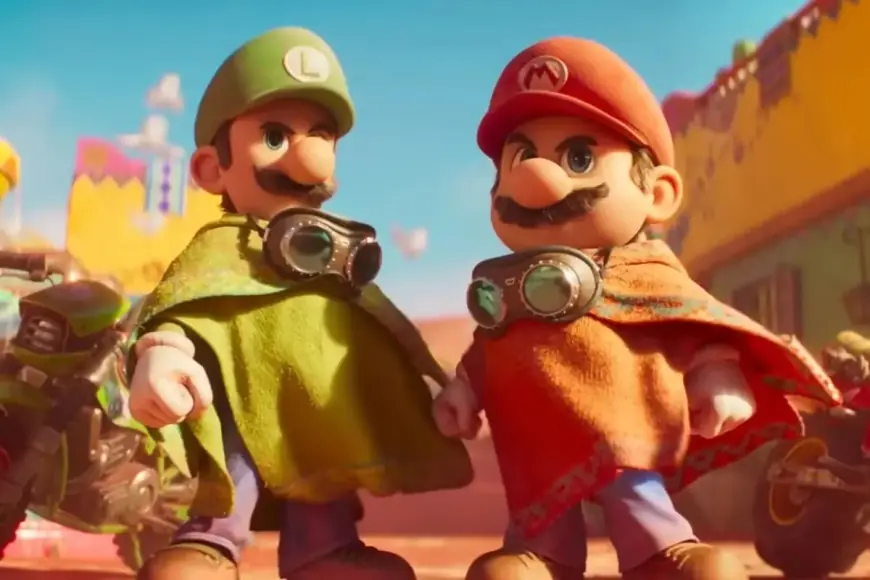
A new look at The Super Mario Galaxy movie rolled out on Monday, January 26, 2026 (ET), spotlighting Yoshi and signaling that the sequel is leaning hard into the space-hopping scale that made the original games a fan favorite. Alongside the new footage, the film’s U.S. release date was shifted to April 1, 2026, a small calendar move that still matters in the competitive spring box office corridor.
The Super Mario Galaxy movie trailer: what’s new, and why Yoshi is the headline
The fresh trailer footage is built around a simple promise: the sequel is expanding Mario’s world outward—literally—while bringing in characters that were teased but not fully used in the previous film’s main story. Yoshi’s presence is the key crowd-pleaser here, because it does two jobs at once:
-
It pays off long-running fan expectations for a full Yoshi storyline
-
It sets up new “family” dynamics and comedic beats without needing heavy plot exposition
The trailer also leans into brighter “storybook” imagery, suggesting a wider palette of settings than the first film’s core Mushroom Kingdom locations. Even if the plot remains guarded, the marketing message is clear: this sequel wants to feel bigger, stranger, and more adventurous than a straightforward kingdom rescue.
Release date change: why April 1, 2026 is a strategic spot
Moving a major animated release by a couple of days can look minor from the outside, but it often reflects practical realities: theater scheduling, global rollout coordination, and the desire to plant a flag early in a crowded month. Early April is attractive for four reasons:
-
Schools are in session in many areas, which can spread demand across multiple weekends
-
The film can build momentum into spring breaks rather than fighting for attention later
-
Premium screens and showtimes are easier to lock when you stake an early claim
-
Merchandise and promotional partners get a cleaner runway for coordinated drops
The headline isn’t the shift itself—it’s that the studio is treating the release window as an “event corridor,” not a single weekend.
Behind the headline: why “Galaxy” and why Yoshi now
This isn’t just nostalgia. The “Galaxy” branding is a deliberate escalation: it signals more spectacle, more locations, and more toy-ready characters, all of which support the modern blockbuster playbook.
The incentives are straightforward:
-
Bigger world equals longer franchise life. Space settings allow endless new “stops” without exhausting familiar maps.
-
Yoshi is a merchandising multiplier. Yoshi appeals across age brackets and is instantly recognizable even to casual viewers.
-
Sequel economics reward familiarity with novelty. Audiences want the comfort of Mario and friends, plus just enough newness to justify the ticket.
The stakeholders are also unusually aligned. Nintendo wants brand expansion that reinforces games and characters; the film partners want repeatable box office and globally legible visuals; theaters want an early spring tentpole that can play for weeks.
The risk is that “bigger” can become “busier.” Galaxy-style storytelling can sprawl quickly, and animated sequels can lose emotional clarity if they chase constant set pieces instead of character-driven stakes.
What we still don’t know: plot specifics, character roles, and how deep the Galaxy lore goes
Even with a new trailer, several key questions remain unanswered:
-
How central is Yoshi to the story? Is Yoshi a companion throughout, or a major arc with its own emotional payoff?
-
How much of the film follows the game’s core structure? “Galaxy” can mean anything from light inspiration to a direct quest framework.
-
How will new characters be balanced with returning leads? A larger cast can dilute screen time, especially for Luigi and Peach if the plot shifts toward new arrivals.
-
What is Bowser’s role this time? The first film’s villain dynamic is popular, but sequels often remix the threat to avoid repetition.
Until more story details are officially confirmed, the safest read is that the film is aiming for a “broadest possible audience” adventure with enough game nods to reward longtime fans.
What happens next: realistic scenarios to watch before opening week
-
Character-focused marketing in February and March (ET)
Trigger: short clips and posters that clarify who the film is “about,” not just where it goes. -
A stronger plot trailer closer to release
Trigger: final-month promotion that explains the central conflict and emotional stakes. -
Merchandise and game tie-ins accelerate
Trigger: coordinated launches that turn the film into a wider franchise moment. -
Fan expectations spike, then split
Trigger: lore-heavy hints that excite core fans but raise concerns about accessibility for casual viewers. -
Box office tracking hinges on repeatability
Trigger: family audiences returning for multiple viewings if the film delivers memorable set pieces and a simple emotional throughline.
The big takeaway: the new Super Mario Galaxy movie marketing push is positioning Yoshi as both a story catalyst and a franchise accelerant. The next reveal needs to prove that the sequel has more than scale—that it has a clear, satisfying reason for Mario (and audiences) to go to space in the first place.