Grammys 2026: Date, Start Time, and What to Know Ahead of the 68th Grammy Awards

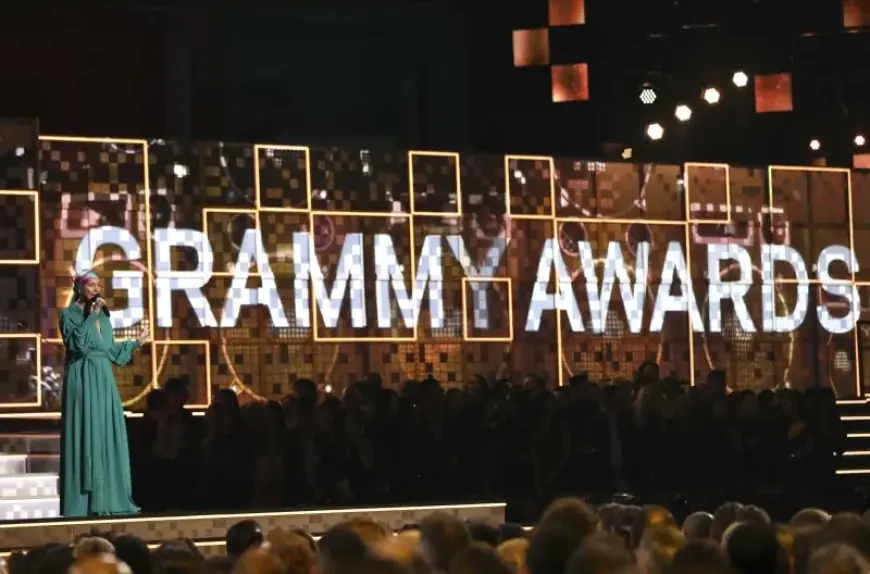
The Grammys 2026 are scheduled for Sunday, February 1, 2026, with the main ceremony set to begin at 8:00 p.m. ET and run until roughly 11:30 p.m. ET. With the show just days away, the calendar matters not only for fans planning watch parties, but also for artists, labels, and industry teams making their final push in one of music’s biggest visibility windows.
When are the Grammys 2026? The key times and dates in ET
Here’s the clean, planning-friendly rundown (all times Eastern Time):
-
Sunday, February 1, 2026: Main Grammys 2026 ceremony
-
Start: 8:00 p.m. ET
-
Expected end: around 11:30 p.m. ET
-
And for context on how this season got here, the core “awards pipeline” dates most tied to campaigning and momentum:
-
Eligibility window: August 31, 2024 through August 30, 2025
-
Nominations announcement: Friday, November 7, 2025
-
Final-round voting: December 12, 2025 through January 5, 2026
If you’re asking “when are the Grammys 2026” in the practical sense—when you need to be free—Sunday night, February 1, starting at 8:00 p.m. ET is the anchor.
What’s behind the headline: why the Grammys 2026 timing matters
The Grammys landing on an early-February Sunday is not random. It’s a strategic sweet spot in the broader entertainment calendar: late enough to allow nominations, final-round voting, and a promotional runway—but early enough to keep awards-season attention concentrated.
That timing shapes incentives:
-
Artists and labels want maximum impact from a win (or even a headline nomination) while listeners are still in “new year, new playlists” mode.
-
Managers and publicists aim to turn Grammys week visibility into concrete outcomes: touring demand, brand partnerships, catalog spikes, and better negotiating leverage.
-
The academy benefits from a tightly defined season: clear eligibility cutoffs reduce ambiguity, while a fixed schedule supports planning for performers, presenters, and the show’s pacing.
Stakeholders extend beyond celebrities. Songwriters, producers, engineers, session players, and independent teams can see career-defining ripple effects from a single televised credit or acceptance moment—especially in categories that spotlight craft rather than fame.
The missing pieces: what we still don’t know (and what to watch)
Even with a firm Grammys 2026 date and start time, several details typically remain fluid right up to show weekend:
-
The final running order: which categories land in prime-time slots versus earlier ceremonies can shift for pacing and narrative.
-
Full performance and presenter lineup: late additions are common, especially when scheduling conflicts clear or strategic collaborations come together.
-
Special tributes or last-minute programming changes: these can emerge quickly due to news events, artist availability, or production decisions.
-
Acceptance-speech dynamics: this isn’t about predicting winners—it’s about how winners choose to use the moment (gratitude, advocacy, controversy-avoidance, or headline-making statements).
If you’re planning around the show, the only “locked” consumer-facing guidance is the main window: 8:00 p.m. to about 11:30 p.m. ET on February 1.
What happens next: realistic scenarios heading into Grammys night
With the Grammys 2026 days away, here are the most likely next steps—without guessing outcomes:
-
Final performer announcements
Trigger: official show communications and rehearsals locking in. -
Late-week narrative shifts around frontrunners
Trigger: awards-week events, interviews, and last-minute buzz that changes how categories are “framed,” even if voting is already done. -
Category spotlights that elevate under-the-radar winners
Trigger: a strong performance or a well-told on-air story that sends audiences searching for an artist they didn’t know. -
Operational updates that affect attendees and production
Trigger: security, logistics, or production adjustments common to major live events. -
Post-show ripple effects across charts, bookings, and brand deals
Trigger: immediate audience response during the hours after the ceremony ends.
For anyone simply trying to lock in their schedule, the headline is straightforward: The Grammys 2026 take place Sunday, February 1, 2026, starting at 8:00 p.m. ET.