Households Brace for Rising Power Bills and Interest Rates

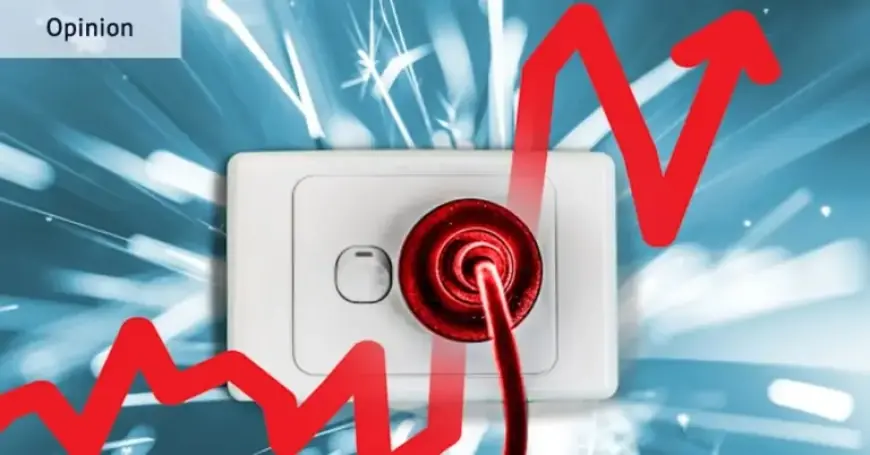
Australian households are preparing for significant increases in both power bills and interest rates in 2026. The removal of energy rebates at the start of this year has raised concerns about a resurgence in cost-of-living challenges. Now, with interest rate hikes on the horizon, households may face dual financial pressures.
Impact of Rising Interest Rates
The Reserve Bank of Australia (RBA) is expected to consider raising interest rates in February. An increase of 0.25 percentage points would add approximately $110 to the monthly repayments of the average Australian home loan. This move could significantly affect household budgets, especially for those on lower incomes.
Changing Economic Landscape
- Economists have recently revised their forecasts due to unexpected changes in unemployment rates.
- Inflation has moved above the RBA’s target range of 2 to 3 percent.
- Key economic teams, including Commonwealth Bank, UBS, and HSBC, are now predicting a rate hike.
As Westpac’s chief economist, Luci Ellis, noted, upcoming inflation data will play a critical role in RBA’s decision-making process. Should a rate increase occur, it may dampen the wealth effect homeowners have enjoyed as property prices have soared.
Rising Power Bills
In addition to potential interest rate hikes, Australian households are bracing for a 20 percent increase in power bills within the next year. The end of energy bill subsidies, which were valued at $300 annually per household, adds a layer of financial strain. This $6.8 billion relief package, aimed at supporting households during high inflation, has now lapsed.
- The removal of subsidies is expected to impact consumer spending trends.
- Lower-income households will be disproportionately affected as power costs represent a larger portion of their budgets.
Government Response
The government faces increasing urgency to address the potential fallout from rising energy costs. Energy Minister Chris Bowen has tasked energy retailers with devising a plan to provide customers with three free hours of electricity under a new initiative named Solar Sharer. However, the plan has encountered resistance from energy companies, citing its complexity and potential cost implications.
Even with proposed measures to mitigate the impact of rising energy costs, consumers are likely to experience a challenging transition as bills increase in the coming months.
In summary, with the combined threat of rising power bills and interest rates, Australian households are in for a tough financial period. The interplay between these factors will significantly shape household economics in 2026.