Sly Dunbar dies at 73, ending an era for the drummer who powered modern reggae’s most influential rhythm engine

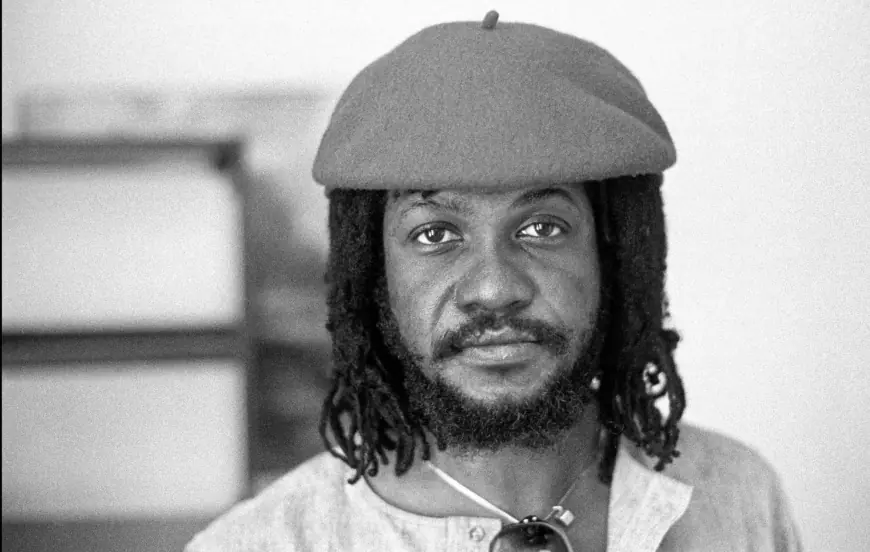
Sly Dunbar, the Jamaican drummer and producer whose playing helped define the feel of roots reggae, dub, and dancehall, has died at age 73. His death was announced Monday, January 26, 2026 (ET), sending an immediate wave of tributes across the music world and reviving focus on the vast catalog he built across decades as a session player, bandleader, and studio architect.
For many listeners, Dunbar’s name is inseparable from Sly and Robbie, the rhythm partnership with bassist Robbie Shakespeare that became a behind-the-scenes hit machine. But Dunbar’s impact extends beyond any single duo: his drum patterns and production choices helped set the template for how reggae would sound in studios, on dancefloors, and eventually in global pop crossovers.
What happened: Sly Dunbar’s death confirmed as tributes pour in
Dunbar’s family confirmed his passing Monday (ET). Within hours, musicians, producers, and Jamaican cultural figures began sharing memories of his generosity, precision, and relentless work ethic. While public statements have emphasized his stature and influence, details about the circumstances of his death have not been fully shared.
The timing has sharpened the emotional weight of the news: the Sly and Robbie partnership was already considered a closed chapter after Shakespeare’s death in 2021. With Dunbar’s passing, one of reggae’s most consequential creative engines becomes permanently historical rather than ongoing.
Why Sly Dunbar mattered: the Sly and Robbie blueprint for modern riddims
If reggae is often described as “the space between the beats,” Dunbar was one of the people who taught the world how that space could move. His drumming was at once steady and elastic, capable of feeling laid-back while remaining intensely precise. That paradox became a signature across recordings that shaped the sound of Kingston studios and traveled outward to influence global rock, pop, and hip-hop production.
As part of Sly and Robbie, Dunbar helped create a model that later producers would copy: a rhythm section that could function like a brand, delivering reliable musical DNA across many artists while also building its own identity. That approach made the duo indispensable to performers seeking an instantly recognizable groove without sacrificing flexibility.
Dunbar’s range also mattered. He could anchor roots material with deep pocket, drive dancehall with sharper edges, and adapt to outside genres without sanding down reggae’s core swing. That adaptability is why his discography reads less like a list of credits and more like a map of late-20th-century popular music.
Behind the headline: what changes when a “studio institution” is gone
Dunbar’s death is not only a cultural loss; it alters incentives and priorities across several stakeholders:
-
Rights holders and estates must now manage a legacy that includes both artistic reputation and commercial value. That often accelerates decisions about reissues, box sets, licensing, and archival releases.
-
Producers and younger artists lose a living reference point. When a musician of Dunbar’s stature is still around, stories, techniques, and corrections can be passed person-to-person. Once gone, the “how” becomes harder to verify, and myth can outpace craft.
-
Jamaica’s cultural institutions gain urgency. There is often a brief window after a major death when public attention is highest and funding conversations are easier to start.
-
Global audiences and platforms tend to rediscover catalogs in waves, which can reshape which eras and recordings define an artist’s public image.
Second-order effects are already predictable: renewed interest in classic recordings, increased demand for interviews and documentaries, and a race among curators to frame Dunbar’s story in a way that feels definitive. That framing matters because it can decide whether he is remembered mainly as a virtuoso drummer, a producer, or a broader architect of modern reggae’s studio language.
What we still don’t know about Sly Dunbar’s final months
Several key pieces remain unclear and will shape how the story is told in the coming days:
-
The full details surrounding his health and final weeks (not fully confirmed publicly)
-
Funeral and memorial plans (timing and whether there will be public events)
-
Whether previously unreleased recordings or sessions are being prepared for release
-
How the Dunbar estate will approach catalog management and licensing
What happens next: 6 realistic scenarios to watch
-
A national memorial moment in Jamaica
Trigger: government or cultural leaders announce an official tribute, concert, or honors. -
Catalog resurgence and curated re-releases
Trigger: labels and estates move quickly to package career-spanning collections. -
Archival material emerges
Trigger: producers and collaborators confirm unreleased sessions suitable for release. -
A documentary or biographical project accelerates
Trigger: filmmakers secure access to archives and first-hand accounts while momentum is high. -
A renewed debate about credit and compensation for session players
Trigger: public discussion highlights how often foundational musicians are under-recognized. -
A new generation claims the influence more explicitly
Trigger: major artists cite Dunbar’s rhythms in new work, bringing technical analysis into the mainstream.
Sly Dunbar’s passing closes the book on a living legend, but it also opens a new phase: the contest over how his contributions are preserved, taught, and valued. In the days ahead, the clearest measure of his impact may be how quickly the world rediscovers what reggae insiders already knew—his drums were not just accompaniment, they were architecture.