




















Trump Increases South Korea Tariffs to 25%

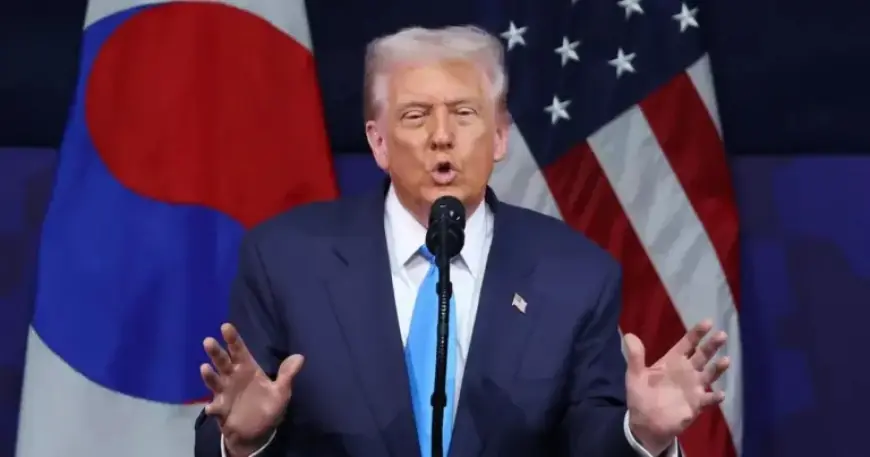
President Trump has announced a significant increase in tariffs on South Korean imports, citing delays in the approval of a trade deal. Effective immediately, the tariff on South Korean goods will jump from 15% to 25%. This move also includes higher levies on automobiles, lumber, and pharmaceuticals from South Korea.
Trade Deal Background
This action comes as President Trump expressed frustration with South Korea’s legislative body for not ratifying a trade agreement originally reached on July 30, 2025. The agreement aimed to address various trade and security issues following Trump’s discussions with South Korean President Lee Jae-myung in Seoul.
Terms of the Trade Agreement
Under the terms negotiated last year, the U.S. had reduced its tariffs on South Korean vehicles and related products from 25% to 15%. Additionally, South Korea committed to investing $350 billion in essential U.S. sectors such as:
- Semiconductors
- Shipbuilding
- Biotechnology
Trade Statistics
As of late 2025, South Korea ranked as the eighth-largest trading partner of the United States. Trade figures depict a substantial economic interaction, with a total trade volume of $162 billion. Notably, the auto industry contributes significantly to this figure, averaging 27% of South Korea’s exports to the U.S. Nearly half of South Korea’s total car exports are directed to the United States.
Future Implications
The situation remains dynamic as the U.S. Supreme Court is reviewing the legality of the tariffs imposed by the Trump administration. These tariffs have been enacted under the International Emergency Economic Powers Act (IEEPA) and affect numerous countries. Should the Court deem these tariffs unlawful, officials are prepared to utilize alternative legal avenues to impose similar trade measures.
These developments underscore the complexities of U.S.-South Korea trade relations and the ongoing negotiations affecting both nations. As events unfold, the global economic landscape will closely watch the implications of these increased tariffs.