

























Midwest Faces Potential ‘Icequakes’: What Causes This Loud Phenomenon?

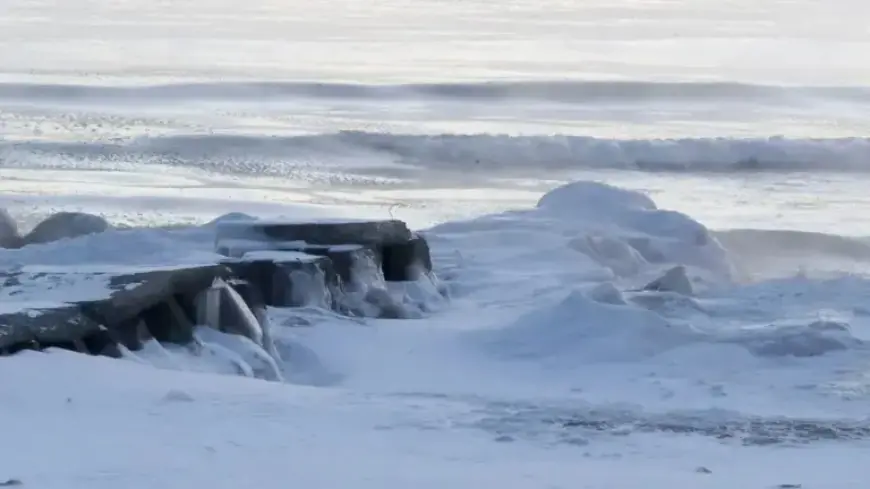
Midwestern residents, especially those in Greater Chicago, are bracing for potential icequakes amidst an extreme cold snap. A significant winter storm is set to impact over 210 million people across the United States, delivering heavy snow, sleet, and hazardous ice conditions. The storm is expected to begin on January 23 and continue throughout the weekend, prompting concerns about unusual weather phenomena known as icequakes.
Understanding Icequakes
Icequakes, also referred to as frost quakes or cryoseisms, are seismic events triggered by sudden cracking in frozen soil or rock. These occurrences typically happen when temperatures drop rapidly and groundwater freezes. As the water expands upon freezing, it can create significant pressure that, when released, generates a loud noise similar to an earthquake.
The Science Behind Icequakes
According to geologist Jeri Jones, frost quakes cannot be detected by seismographs due to their small magnitude. They usually produce sounds that can be heard from distances of up to 300 feet. Icequakes can create sensations that may lead individuals to mistakenly believe that gunfire or a break-in has occurred in their homes.
- Icequakes occur when water in the ground freezes and expands.
- The expansion can cause rocks and soil to crack suddenly.
- The phenomenon is akin to a balloon popping or a bottle bursting in the freezer.
Locations Prone to Icequakes
This phenomenon is common in several regions, including:
- Northeastern United States
- Alaska
- Canada
- Iceland
Typically, frost quakes are mistaken for earthquakes because both produce similar sounds. However, they are entirely unrelated to tectonic activity. Meteorologists emphasize that frost quakes are primarily noise phenomena, posing minimal risk to physical safety.
As the Midwest anticipates the winter storm’s impact, residents should remain alert for these unusual yet fascinating natural events. Understanding icequakes can help demystify the sounds and sensations that may arise during this extreme cold weather.