

























“Hidden Construction Crisis Pushes Builders to the Brink”

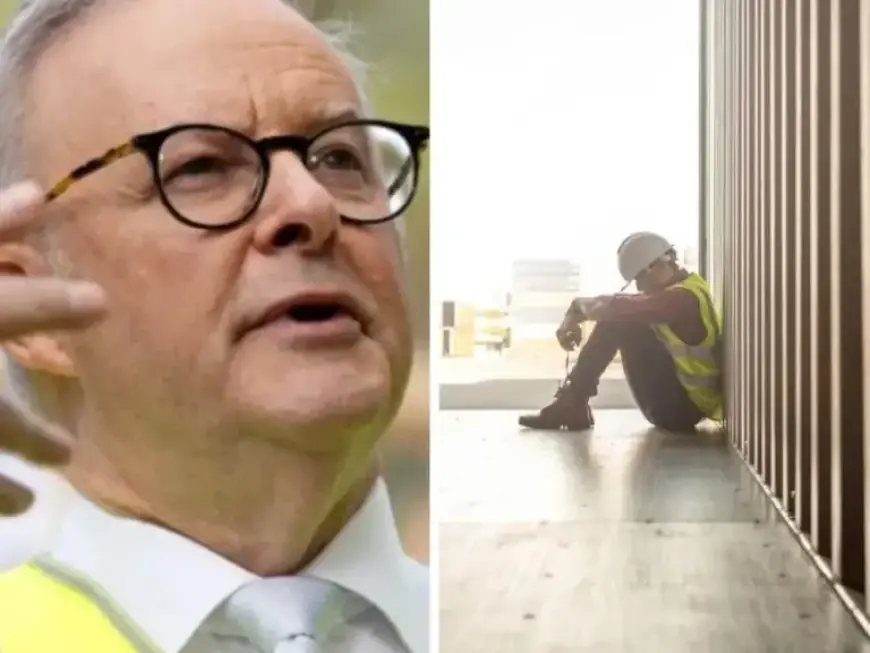
Australia’s construction sector is grappling with a hidden crisis, marked by soaring insolvencies and escalating mental health issues. The Albanese government’s ambitious plan aims to construct 1.2 million new homes from mid-2024 to mid-2029. However, industry professionals are facing unprecedented challenges.
Rising Insolvencies in Construction
Latest data from the Australian Securities and Investments Commission (ASIC) shows a distressing trend. In the 2025 financial year, the construction industry saw 3,596 insolvencies, a record high. This figure includes:
- 1,567 collapses in New South Wales (NSW)
- 1,051 in Victoria
- 565 in Queensland
- 168 in Western Australia
- 96 in the Australian Capital Territory (ACT)
- 95 in South Australia
- 28 in Tasmania
- 26 in the Northern Territory
If current trends continue, another 3,584 firms may face insolvency by the end of the 2026 financial year, nearly matching last year’s figures.
Mental Health Concerns Amid Economic Strain
As insolvency rates rise, so do mental health concerns in the sector. The blue-collar counseling service TIACS reported that 440 out of 1,100 users in the 2025 financial year were construction workers. Co-founder Ed Ross highlighted a disturbing rise in depression and anxiety among tradespeople.
Phil Dwyer, president of the Australian Builders Collective, expressed grave concern for small builders. Many of them work over 11 hours daily and fear their businesses may not survive. “I’ve seen men in tears, not knowing what to do next,” he remarked.
The Construction Crisis and Its Impact on Builders
Smaller firms, particularly those with ten or fewer employees, are often most affected by insolvencies. Many choose to declare bankruptcy rather than face overwhelming liabilities. This has led to a cycle in which many return to work as subcontractors.
Master Builders Australia’s CEO, Denita Wawn, noted a direct correlation between rising insolvencies and mental health issues, which have also contributed to high rates of suicide among builders.
Government and Industry Response
The industry calls for more government support to help sustain builders and subcontractors. Wawn emphasized the need for work-life balance, skilled labor, and realistic timelines for new constructions. “Without addressing these issues, the problem will persist,” she warned.
Overall, while the construction sector strives to meet housing demands, the push to build amidst financial strain raises significant concerns for workers’ mental health and industry sustainability.
Conclusion
As Australia pushes toward its housing goals, the hidden construction crisis threatens to overwhelm the builders responsible for this monumental task. Addressing insolvency and mental health is crucial to ensure a resilient workforce moving forward.