

























Drugmakers Leverage AI to Accelerate Trials and Regulatory Submissions

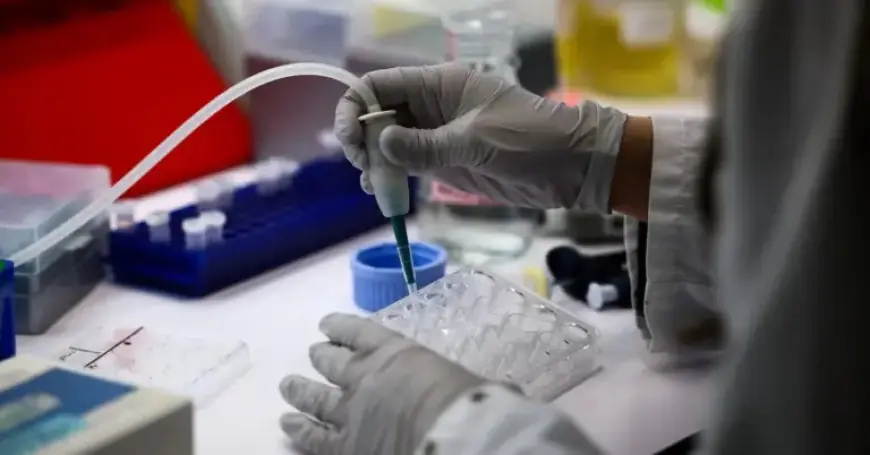
Pharmaceutical companies are increasingly leveraging artificial intelligence (AI) to expedite trials and regulatory submissions. At the recent JP Morgan Healthcare Conference, industry leaders highlighted how AI is enhancing various aspects of drug development.
AI Transforming Drug Development Processes
AI, while still proving its worth in creating breakthrough medications, is significantly streamlining less glamorous but essential tasks. Major pharma executives from companies such as AstraZeneca, Roche, Pfizer, and smaller biotechs like Spyre and Nuvalent shared insights on how AI is revolutionizing their operations.
Efficiency in Clinical Trials
- Novartis reported a dramatic reduction in trial site selection. What usually takes four to six weeks was compressed to just two hours.
- AI participation tracking is refining patient outreach, education, and scheduling, minimizing participant dropout rates during trials.
- GSK aims to speed up clinical trials by 15%, saving £8 million in costs for its asthma drug clinical trials last year.
According to McKinsey’s predictions, AI-driven productivity improvements could range from 35% to 45% over the next five years. Companies are utilizing AI to draft regulatory documents, effectively tracking thousands of pages needed for compliance.
Real-world Applications
AI’s capabilities extend beyond trial management. Teva Pharmaceutical Industries is using AI across its operations to ensure a focus on successfully advancing new drugs to market. Teva CEO Richard Francis emphasized the importance of efficiency in peripheral processes.
AI’s impact was particularly evident during the development of Novartis’ cholesterol drug, Leqvio. The company efficiently identified high-performing sites for a large cardiovascular outcomes trial, exceeding enrollment targets with minimal effort.
Future Impact on Drug Development
Industry analysts believe that while AI’s full potential in drug development is yet to be realized, initial implementations are promising. Brendan Smith, a TD Cowen analyst, indicated that it might take one to three years to fully gauge AI’s influence on streamlining drug development.
Investment and Innovation
- Jorge Conde of Andreessen Horowitz invested $4.3 million in Alleviate Health to enhance trial enrollment processes.
- Genmab is set to incorporate Anthropic’s Claude AI to automate post-trial data analysis and reporting.
- ITM is working on using AI to convert lengthy clinical trial reports into U.S. FDA-compliant formats, potentially saving substantial time.
The technology is seen as vital not only for improving operational efficiency but also for paving the way for future drug innovations. Pharmaceutical companies are keenly awaiting the arrival of drugs enhanced by AI technology.
As AI continues to evolve, its integration into drug development is positioned to transform the industry, promising a future where the process is both quicker and more efficient.