





















George Strait Adds Two “In-the-Round” Austin Shows for April 2026, Turning Scarcity Into a Ticket Frenzy

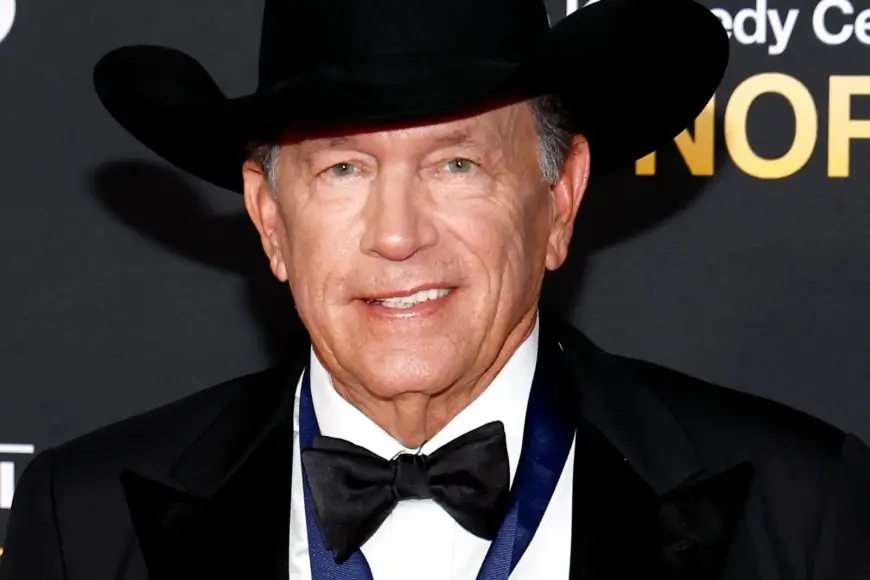
George Strait is expanding his 2026 live calendar with two newly announced arena dates in Austin, Texas, set for Thursday, April 9, 2026 and Saturday, April 11, 2026 (both 8:30 p.m. ET). The shows are billed as in-the-round, a format that puts the stage at center and the crowd on all sides—an intentional shift toward intimacy from an artist who has increasingly treated concerts as carefully rationed events.
Tickets are scheduled to move fast. Presales begin Monday, January 26, 2026 at 11:00 a.m. ET, with general on-sale set for Friday, January 30, 2026 at 11:00 a.m. ET.
What happened: two Austin dates appear on a small 2026 schedule
Strait’s 2026 run has been positioned as limited—selective dates rather than a full tour—so adding a two-night stand at Austin’s Moody Center instantly becomes “must-see” territory for fans who don’t want to travel to a stadium show. The Austin pair also lands as a symbolic return: he headlined the venue during its early high-profile era, and now he’s revisiting it with a format that emphasizes closeness and sightlines.
William Beckmann is slated as the opener for both Austin nights.
What’s new and why now: the in-the-round choice is the real headline
“In-the-round” is not just a stage diagram; it’s a business and brand decision.
-
It signals effort. Performing to 360 degrees changes pacing, movement, and band blocking. It reads as an artist choosing challenge over autopilot.
-
It multiplies the “I was there” feeling. Fans don’t just attend; they feel positioned inside the performance, which boosts word-of-mouth and social sharing.
-
It can reshape inventory and pricing psychology. The layout changes what counts as a “good seat,” often increasing demand across more sections because the show doesn’t have a single “front.”
For Strait—who hasn’t operated like a conventional heavy-touring act for years—the format also reinforces the idea that every appearance is an event.
Behind the headline: incentives, stakeholders, and the scarcity strategy
The incentives around George Strait concerts are unusually clear.
Strait’s incentive: protect the “legend” aura. When an artist plays fewer shows, each one carries more cultural weight—especially in Texas, where his identity is deeply woven into regional pride.
Promoters’ incentive: controlled scarcity creates urgency. Limited dates drive faster sell-through, higher average ticket value, and a more intense secondary market—whether anyone says that part out loud or not.
Venue and city incentive: Austin benefits from a two-night influx—hotels, restaurants, rideshare, and downtown foot traffic—without the broader disruption footprint of a stadium day.
Fan incentive: certainty. When the calendar is small, fans buy now because “next time” is never guaranteed.
What we still don’t know
Even with confirmed dates and a clear on-sale plan, there are missing pieces that will shape the real fan experience:
-
How the in-the-round production will be scaled. Is this a stripped-down “songs first” approach, or a full arena spectacle?
-
How ticket supply will be allocated. Presales can dramatically shape who actually gets seats at face value versus who ends up chasing resale listings.
-
Whether more 2026 dates are coming. Two Austin nights can be read as a one-off gift—or as a signal that additional “select events” may drop later.
Until the market settles after January 30, it’s hard to know whether these shows are a brief add-on or the start of a broader expansion.
Second-order effects: what this means for ticketing, resale, and the 2026 country calendar
The ripple effects are predictable:
-
Resale volatility spikes early. The combination of limited dates + Texas demand often produces immediate price turbulence.
-
Other tours adjust the map. When a megastar drops surprise dates, it can influence routing decisions for other country acts trying to avoid competing weekends or markets.
-
Austin becomes a pilgrimage stop. A two-night run creates “choose your night” behavior—fans coordinate, trade tickets, and travel in clusters, turning the weekend into a mini-festival atmosphere without the festival infrastructure.
What happens next: 5 realistic scenarios to watch
-
Instant sellout pressure on presale day if demand outruns supply, pushing many fans into the general on-sale scramble.
-
A rapid shift to resale listings within hours of the first presale, especially for lower-bowl seats and center-adjacent sections.
-
A “third date” rumor cycle if both nights vanish quickly—common whenever a legacy act adds limited shows in a high-demand market.
-
More in-the-round bookings if the format proves efficient and well-received, making it a template for future Strait event dates.
-
A setlist narrative built around “timeless hits” plus newer material—because for artists at Strait’s stature, the song choices become part of the cultural conversation.
For George Strait, the move isn’t about proving he can still draw a crowd. It’s about proving that even now—decades into a history-making career—he can still make a concert feel like a once-only moment.