
























Nigella Lawson Replaces Prue Leith on Bake Off, a Star Swap Meant to Refresh a Comfort-TV Giant

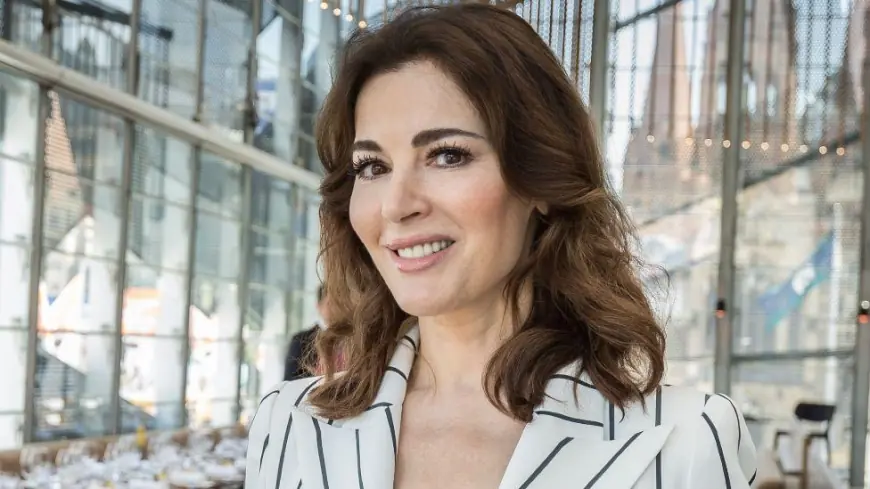
Nigella Lawson is officially joining The Great British Bake Off as a judge, replacing Prue Leith after Leith’s nine-season run. The change was confirmed on January 26, 2026 (ET) and positions Lawson—one of the most recognizable food personalities in the English-speaking world—as the new counterbalance to Paul Hollywood for the show’s next season, expected later in 2026 (ET).
This isn’t just a casting headline. It’s a strategic reset for a franchise that thrives on familiarity but can’t afford to feel stale.
What happened: Prue Leith exits, Nigella Lawson enters
Prue Leith announced her decision to step down on January 21, 2026 (ET), citing the simple reality of time: after nine series and more than 400 challenges judged, she’s ready to reclaim a slower life. Leith joined the show in 2017, helping stabilize Bake Off through a major era shift and becoming a key part of its modern identity—warm, practical, and reassuringly direct.
Lawson now takes that seat alongside returning judge Paul Hollywood, with presenters Noel Fielding and Alison Hammond expected to continue. In the United States, the series is branded as The Great British Baking Show, so this change will echo across both audiences.
What’s new and why now: the “safe risk” of a bigger personality
Bake Off’s core promise is comfort: low cruelty, high craft, and an atmosphere that feels kinder than most competition TV. Changing judges risks disrupting that emotional contract, which is why the show moves slowly and conservatively.
So why make a change now? Because the franchise is built on two competing needs:
-
Stability (don’t touch the formula)
-
Renewal (keep the formula from aging)
Nigella Lawson is a “safe risk.” She’s famous enough to create immediate buzz, but familiar enough to feel like part of the national furniture. She also brings a distinct on-screen energy: sensual, witty, indulgence-positive, and highly opinionated. That’s a different flavor from Leith’s genial mentorship—and that contrast is exactly what producers are buying.
Behind the headline: incentives, stakeholders, and what’s really being tested
Incentives
-
Producers and broadcasters want a conversation-driving move that doesn’t trigger backlash. A new judge is one of the few headline levers that doesn’t require changing the tent, the challenges, or the show’s tone.
-
The franchise benefits from a judge with global recognition, helping marketing travel beyond the UK.
-
Lawson gets a role that reinforces her authority while widening her audience—especially with younger viewers who experience food culture via clips and memes as much as full episodes.
Stakeholders
-
Contestants, who are deeply affected by judging temperament: a single line read as harsh can change a baker’s confidence and the public’s sympathy.
-
Paul Hollywood, because judge chemistry determines whether he’s framed as stern-but-fair, or as the “tough one” opposite a warmer counterpart.
-
Sponsors, partners, and distributors, who prefer predictable, brand-safe programming—but still want moments that cut through.
The real test is whether Bake Off can add sparkle without losing its gentle credibility. Comfort TV is now competitive TV, and the show must stay soothing while also feeling alive.
What we still don’t know: judging style, edit choices, and how the tent will feel
The biggest unanswered questions aren’t about qualifications; they’re about tone.
-
Will Lawson judge with technical granularity, or lean more on flavor, texture, and instinct?
-
Will disagreements with Hollywood be playful, sharp, or minimal?
-
How will the edit present her: nurturing guide, glamorous authority, or the voice of indulgence?
-
Will contestants feel safer—or more intimidated—under a judge with a stronger persona?
We also don’t yet have a precise premiere date (ET) or clarity on whether Bake Off will adjust challenge selection, pacing, or thematic weeks to match Lawson’s sensibilities.
Second-order effects: what this shift could change beyond one season
A judge swap can ripple outward:
-
Culinary publishing and product ecosystems: renewed interest in a judge often lifts cookbook sales, back-catalog viewing, and branded collaborations.
-
Social media virality: Lawson’s style is inherently clip-friendly, which could boost reach—especially among viewers who rarely watch full episodes live.
-
The franchise identity: if the tone subtly sharpens, even unintentionally, it could affect Bake Off’s defining reputation for kindness.
In short: the show isn’t just changing a judge; it’s changing how it will be talked about.
What happens next: realistic scenarios to watch in 2026 (ET)
-
A premiere bump driven by curiosity and press momentum.
-
A “chemistry narrative” as viewers map Lawson vs. Hollywood moments into recurring memes and talking points.
-
Early-season tonal tweaks if audience feedback suggests judging feels too strict or too sentimental.
-
A broader brand refresh in promotional material, leaning into Lawson’s glamour and comfort-food authority.
-
Prue Leith’s public farewell arc through interviews, specials, or one-off appearances that keep goodwill high.
Bake Off has always been a show where small changes matter. Bringing Nigella Lawson in for Prue Leith is a big change disguised as a cozy one—and whether it works will come down to a single, fragile ingredient: how the tent feels when the cameras roll.