Democrat Senator Claims Trump ‘Declared War’ on Minnesota with Insurrection Act Threat

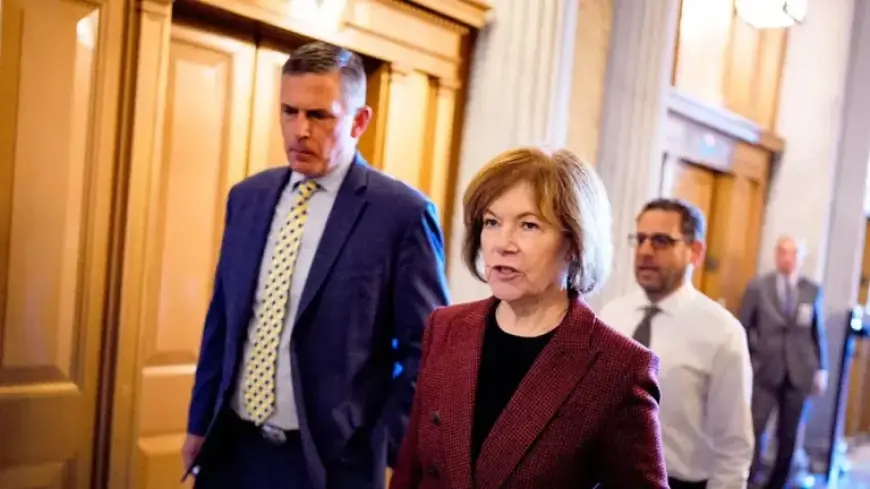
Senator Tina Smith of Minnesota has expressed serious concerns regarding President Donald Trump’s recent comments about potentially using the Insurrection Act in her state. She characterized these threats as a declaration of war against Minnesota. The remarks came during a time of heightened tensions in Minneapolis, where clashes between Immigration and Customs Enforcement (ICE) agents and protestors have escalated.
Trump’s Insurrection Act Threat in Minnesota
Last week, Trump suggested he might invoke the Insurrection Act, a rarely used executive power established in 1807. This act allows the president to deploy military forces to suppress rebellions and enforce federal laws. Smith stated, “The president’s statements… essentially amount to threats of declaring war on Minnesota,” emphasizing the dangerous implications of his words.
Reactions from Washington
Senate Majority Leader John Thune from South Dakota responded to Trump’s statements, noting they reflect threats made in other states as well. He expressed hope that local officials would collaborate with federal agencies, including ICE, to address the unrest.
Historical Context of the Insurrection Act
The Insurrection Act has been utilized sparingly throughout history, with only 30 occurrences since its inception. The last notable use was by former President George H.W. Bush during the 1990s to control riots in Los Angeles following the Rodney King verdict.
In a post on Truth Social, Trump warned local politicians in Minnesota that he would consider invoking the act if protests against ICE continued. He stated, “If the corrupt politicians of Minnesota don’t obey the law… I will pull the trigger on this power.”
DHS and ICE Funding Controversies
The Department of Homeland Security (DHS) and ICE have been central topics of discussion in Congress, especially following a recent shooting incident involving an ICE agent. The ongoing negotiations include a budget bill that does not cut funding for these agencies, but it imposes new reporting requirements on their operations.
This escalated dialogue surrounding immigration enforcement comes amid broader national tensions and showcases contrasting political views on law enforcement and civil rights.