
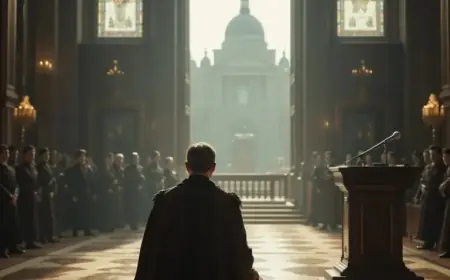
























Bi Gan Celebrates Cinema and Chinese History Through NPR Tribute


Chinese filmmaker Bi Gan’s latest feature, “Resurrection,” merges history and cinema into an intricate narrative. The film, which runs nearly three hours, is a visually striking tribute to Chinese history while challenging the possibilities of storytelling in film.
Film Overview
“Resurrection” begins and concludes in a movie theater, juxtaposing the dreams of its characters against the backdrop of cinematic evolution. The film introduces a near-future world where humanity can live indefinitely but must forgo dreams to do so. One of the film’s main themes emphasizes the dangers and pains of dreaming, epitomized by the character known as The Big Other, portrayed by Shu Qi.
Main Characters and Plot Elements
- The Big Other: A central character tasked with eliminating dreamers.
- The Deliriant: A character, played by Jackson Yee, who remains trapped in a cycle of dreams and pain.
The narrative showcases The Deliriant experiencing a multitude of dreams, each representing diverse chapters of 20th-century Chinese history, including:
- A World War II-era crime noir involving a mysterious suitcase.
- A tale of imprisonment in a Buddhist temple.
- A scheme with a child hustler and supernatural deception.
- A doomed romance on New Year’s Eve, 1999.
Cinematic Techniques and Style
Bi Gan’s film utilizes dream sequences that range in style and period, mixing German Expressionism with elements from the Hong Kong New Wave. One notable sequence requires 30 minutes of uninterrupted filming, drawing audiences into the atmosphere of the narrative.
Thematic Exploration
The film examines the fluidity between dreams and reality. Each dream transports The Deliriant through vivid sensory experiences and historical contexts that highlight the transformative nature of film. As cinema often mirrors the dream state, Bi Gan’s work raises questions about the importance of imagination in both life and art.
Conclusion
“Resurrection” is an ambitious portrayal of cinema’s potential, wrapped in a complex tapestry of dreams that reflect the past while contemplating the future. With Bi Gan’s masterful direction, the film encourages viewers to contemplate the consequences of losing our ability to dream.