






















Wolford v. Lopez: Four Critical Answers Delivered by Justices

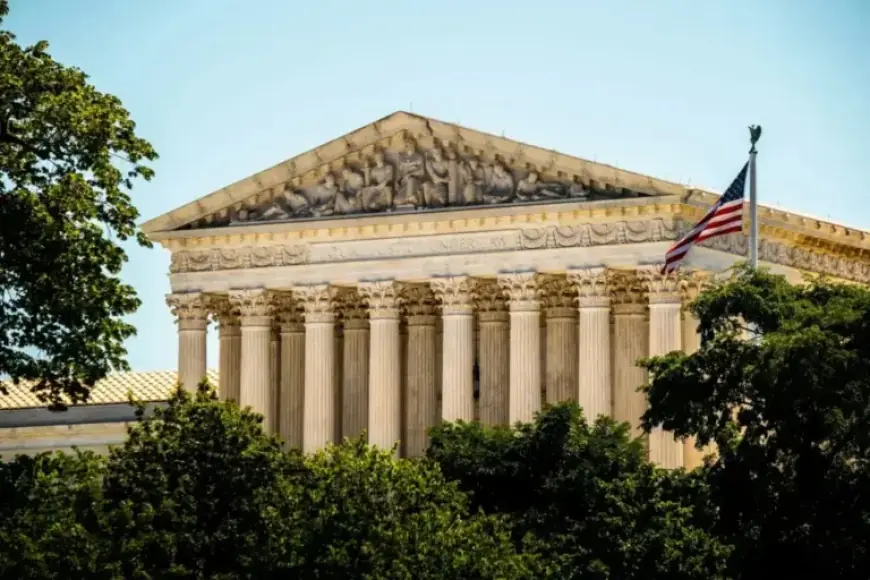
The recent Supreme Court case known as Wolford v. Lopez has raised significant questions surrounding gun rights and property laws. The case involves a Hawaiian statute requiring gun owners to obtain explicit consent from property owners before carrying firearms onto private property accessible to the public. This regulation applies to locations such as restaurants and shops, emphasizing that permission must be clearly indicated, either verbally or through signage.
Key Legal Questions in Wolford v. Lopez
During oral arguments, justices of the Supreme Court expressed skepticism regarding the Hawaii law. They raised critical questions about whether the Second Amendment is being treated as a lesser right compared to the First Amendment.
Second vs. First Amendment Rights
- Justices questioned the rationale behind differentiating the rights associated with firearms and those concerning free speech.
- For instance, a political activist can wear a campaign button in a restaurant without needing prior permission—yet gun owners must seek explicit consent.
Critics argue that this disparity suggests a double standard. However, historical context offers some explanation. The Supreme Court has traditionally viewed the potential dangers posed by firearms as fundamentally different from expressions of free speech.
Comparative Laws on Property Rights
Another focal point of discussion was whether Hawaii had comparable regulations for other items brought onto private property. Some justices noted that regulations do exist for items like alcohol or marijuana, which could similarly require owner consent.
This perspective suggests Hawaii’s law may not purely be about gun regulation but rather about property rights. Thus, if states can regulate other items, they may also regulate firearms in a similar manner.
Historical Context of Hawaii’s Law
- The justices referenced an 1865 Louisiana law that prohibited carrying firearms without the property owner’s consent.
- This law is often associated with the state’s “Black Codes,” yet arguments were made that it was racially neutral.
Proponents of Hawaii’s law argue that the 1865 statute emphasized property rights without specifically targeting any racial group.
Current State Laws and Future Implications
Justice Brett Kavanaugh inquired about the prevalence of similar laws across other states. Hawaii’s law reportedly aligns with regulations in four to five other states. However, some experts suggest that other states may be inspired to adopt similar measures in the foreseeable future.
This ongoing discussion indicates the potential for evolving interpretations of gun rights within the context of individual state laws. The balance between individual liberties and property rights remains a critical point of contention.
Conclusion
As oral arguments unfold, the Supreme Court’s deliberation over Wolford v. Lopez underscores a broader dialogue about the nuances of the Second Amendment and property rights. The outcomes may set significant legal precedents affecting the future of gun regulations across the United States.