






















Blake Lively and Jameela Jamil’s leaked texts are fueling a bigger fight over privacy, feminism, and celebrity litigation

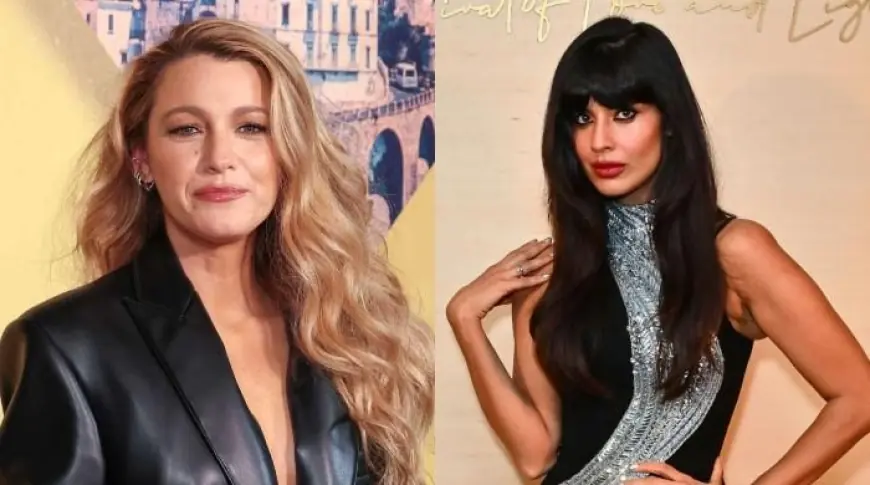
A fresh round of court-filed messages has yanked Blake Lively and Jameela Jamil into the kind of public argument neither can fully control: one about what private venting becomes once it’s turned into evidence. In the past day, unsealed filings tied to Lively’s legal dispute over the film It Ends With Us revealed harsh texts from Jamil about Lively—language that reads less like critique and more like character assassination. The fallout isn’t just gossip. It’s a case study in how celebrity lawsuits spill into reputations, friendships, and the idea that “private” communication stays private.
When texts become exhibits, the loudest story isn’t always the legal one
The most consequential part of this episode is the mechanism, not the insult. Once personal messages are embedded in court documents, they stop being context-rich conversations and become fragments optimized for headlines, screenshots, and pile-ons. Even if they were written in a moment of frustration, the permanence changes everything: the sender is judged like they published a statement, and the target is forced to respond to words they never agreed to make public.
That tension sits right in the middle of Jamil’s response. After the texts circulated, she pushed back publicly on the idea that criticizing a woman—or disliking one—automatically disqualifies someone from being a feminist. She also framed the release of her name and messages as a deliberate attempt to drag more people into a widening feud that’s already dominated attention.
For Lively, the dynamic is different but equally uncomfortable. The more the dispute expands beyond the original allegations and legal claims, the more it turns into a referendum on her public persona: how she promoted a movie with sensitive subject matter, how she handled backlash, and how other famous people privately talked about it.
The details at the center: unsealed filings, sharp language, and a public rebuttal
The newly public messages show Jamil venting about Lively in unusually cutting terms in a private exchange that was later included in the case materials. The phrasing drew immediate reaction because it wasn’t subtle: it painted Lively as a destructive figure rather than a flawed celebrity navigating a messy press cycle.
Jamil’s follow-up didn’t walk the texts back as “I didn’t say that.” Instead, it focused on the principle: support for women’s rights isn’t the same as blanket approval of every woman in the public eye. She argued that disagreement and criticism among women can exist without undermining feminism, and she expressed frustration at being folded into a legal saga she says she didn’t choose.
The wider legal backdrop remains the engine behind why these messages surfaced at all. Lively’s dispute connected to It Ends With Us has generated a growing paper trail that pulls in people around the production and its promotion—creating a situation where private opinions, casual encouragement, and offhand commentary can be reframed as significant. As more documents are unsealed, the story keeps mutating from “what happened on set” into “who said what to whom,” expanding the blast radius well beyond the original parties.
One reason the texts hit so hard is that they collide with how audiences think celebrity advocacy works. Jamil has built a public identity that often speaks in moral terms—about media behavior, harm, and accountability. Seeing blunt, personal contempt in a private thread invites a different kind of scrutiny: not whether she’s “allowed” to dislike someone, but whether her public voice and private tone feel aligned.
A quick Q&A for the confused scroll-stoppers
Why are Jameela Jamil’s texts about Blake Lively public at all?
They appear in unsealed court filings connected to the ongoing legal dispute tied to It Ends With Us.
Did Jamil apologize or retract what she wrote?
Her public response leaned toward defending the broader point—feminism isn’t friendship with every woman—rather than disputing that the texts were hers.
Does this change anything legally for Blake Lively?
It’s too early to treat it as a turning point in the case itself. The more immediate impact is reputational: the filings intensify scrutiny around Lively and amplify the conflict’s cultural aftershocks.
If this episode keeps escalating, it won’t be because the insults get sharper. It’ll be because the court process keeps converting private conversations into public artifacts—forcing everyone nearby to choose between silence, denial, or a rebuttal that only generates the next wave.