Amazon Fire TV Blaster Black: Why It’s Discontinued, When It Stops Working, and What Fire TV Users Should Do Next

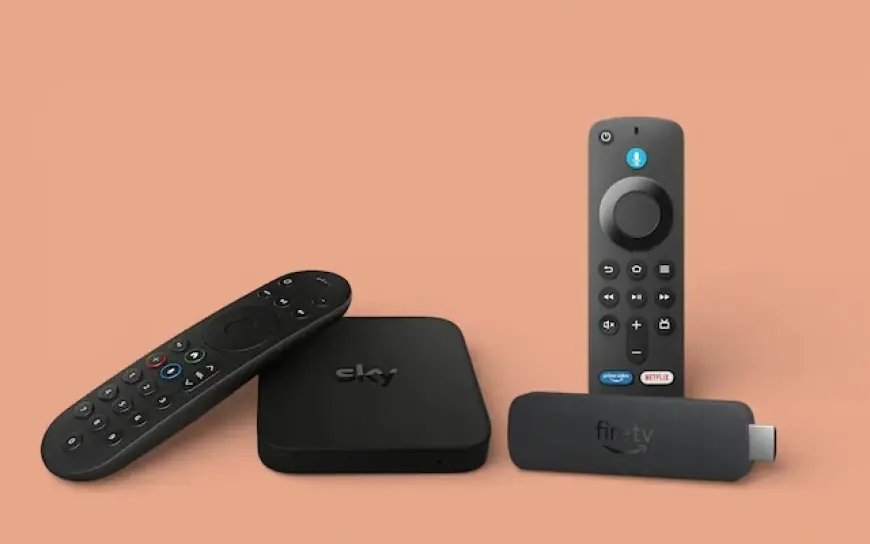
If you’re searching for “Amazon Fire TV Blaster black” or “Fire TV Blaster discontinue,” the key update is this: the accessory isn’t just discontinued from sale, it’s being remotely disabled in early 2026. That means existing Fire TV Blaster units will lose functionality even if the hardware still powers on. Shutdown timing varies by country, but customer notices point to a window from late January through late March 2026.
This matters because the Fire TV Blaster was built to solve a real problem for older TVs and sound systems: it sent infrared commands so Alexa could turn devices on/off, change volume, and switch inputs hands-free. Once it’s disabled, those IR controls vanish, and the setup that depended on it stops working.
What the Fire TV Blaster (Black) actually is
The Fire TV Blaster is a small, black infrared accessory introduced in 2019 to bridge Fire TV streaming devices with an Echo speaker or display. It doesn’t have a microphone or speaker itself. Instead, it relies on your Echo for voice commands and uses Wi-Fi plus IR to control equipment that normally responds to a traditional remote.
It was especially useful for:
-
TVs that don’t reliably support HDMI-CEC control
-
Soundbars and receivers that need IR commands for power/volume
-
Cable or satellite boxes that still require IR for channel control
Is Fire TV Blaster discontinued? Yes, and the bigger issue is deactivation
The Fire TV Blaster stopped being sold around early 2025, which is the normal kind of discontinuation: product disappears from stores, but existing devices keep functioning.
What’s different now is that Amazon is ending support in a way that makes the accessory non-functional. Owners have been notified by email in multiple regions that the device will stop working “in the coming weeks,” and that the change happens remotely (not because the hardware fails).
Key takeaways:
-
The Fire TV Blaster is discontinued from sale and now scheduled for remote shutdown.
-
The disablement is date-based and region-dependent, not tied to wear-and-tear.
-
The device’s core function (sending IR commands) is what disappears, breaking hands-free TV/soundbar control that relied on it.
-
The underlying reason given is falling demand as modern HDMI-CEC control became more common and Fire TV hardware evolved.
-
Second-hand listings may still appear online, but buying one now is a high-risk bet because shutdown affects all units.
When will Fire TV Blaster stop working?
The most consistent guidance is that the deactivation happens in early 2026, with dates differing by country. Some customer notices cite a late-January cutoff (January 31, 2026 has been referenced in parts of Europe), while other communications point to the end of March 2026.
If you’re unsure which date applies to you, the practical assumption is: expect the Blaster to stop working before the end of March 2026 unless you’ve received a specific earlier deadline in your Amazon account email.
Why would Amazon disable it instead of simply ending updates?
The Fire TV Blaster is tightly integrated into Amazon’s account services and device ecosystem. When a product depends on cloud-side authorization, configuration services, or ongoing compatibility layers, support can be withdrawn in a way that breaks the feature entirely.
There’s also a product-strategy angle: the need for a standalone IR accessory has shrunk because many modern TVs and audio devices support HDMI-CEC well enough to handle power and volume directly from a Fire TV remote. On top of that, higher-end Fire TV hardware can include built-in IR control, reducing the role of an external blaster.
A short historical context helps here: IR add-ons were common during the transition from “dumb TV + set-top box” to fully integrated smart entertainment systems. As the industry standardized around HDMI control features, standalone IR bridges became niche.
What to do if you rely on Fire TV Blaster for power and volume
-
Check if HDMI-CEC can replace the Blaster for your setup
On many TVs, enabling HDMI-CEC (brand names vary) lets Fire TV control power and volume without any IR accessory. It won’t solve every receiver/soundbar situation, but it’s the first thing to try. -
If you need IR control, consider hardware that has IR built in
Some streaming boxes and smart remotes include integrated IR control specifically for TV/receiver power and volume. That gives you the “one device controls everything” outcome the Blaster used to enable. -
Use a universal remote setup if your gear is older
If your TV/soundbar/cable box still depends heavily on IR, a universal remote can restore reliable control without depending on cloud support. -
Be cautious with second-hand Fire TV Blaster listings
Even if it’s “new in box,” the remote shutdown applies. It may work briefly (or not at all), then become unusable after the cutoff.
FAQ
Is “Amazon Fire TV Blaster black” a special model?
No. The Fire TV Blaster was typically sold in black; searches often include “black” because it’s listed as the color in product descriptions.
Will my Fire TV Stick stop working too?
No. This change targets the Fire TV Blaster accessory. Your Fire TV streaming device should continue to function, but you may lose the hands-free IR controls you used for TV/soundbar power and volume.
Can the Blaster be saved by blocking updates?
The shutdown is described as remote deactivation rather than a normal optional firmware update. Planning around “don’t update” is unlikely to be reliable.
The next signal to watch is whether Amazon extends timelines, offers region-specific remedies, or points users toward replacement paths inside the Fire TV/Alexa ecosystem. For most households, the fastest fix is testing HDMI-CEC now, then deciding whether you need an IR-capable replacement before the end-of-March window closes.