Canada’s Ride-Share Drivers Struggle with Fuel Costs Amid Middle East Conflicts

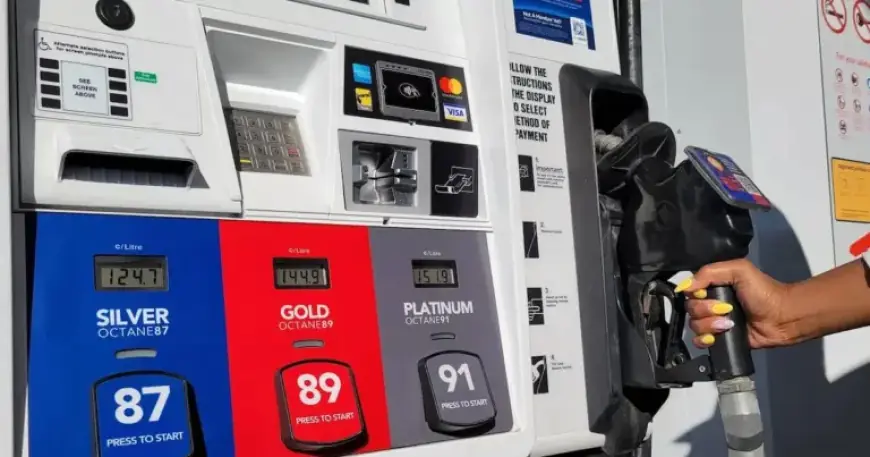
Ride-share drivers in Canada are feeling the impact of rising fuel costs linked to the ongoing conflicts in the Middle East. As tensions escalate, particularly from a conflict involving Iran, drivers are facing record-high gas prices, making it increasingly difficult to maintain a viable income.
Fuel Price Surge: A Major Concern for Drivers
In Surrey, B.C., Kuljeet Singh exemplifies the struggle faced by many. Gas prices have jumped to around $1.70 per litre, a significant rise from approximately $1.10 per litre six years ago. Just in the past week, prices have spiked, contributing to the financial strain on gig economy workers.
Current Gas Prices Across Canada
According to GasBuddy data, current fuel prices in different provinces show a troubling trend:
- British Columbia: Approximately $1.72 per litre
- Ontario: Just under $1.50 per litre
Singh reports that these surging fuel costs have forced him to work over 70 hours each week just to make ends meet. This pressure comes amidst already reduced earnings due to high commissions from ride-share platforms and essential costs like vehicle maintenance and insurance.
Impacts of the Middle East Conflicts
The conflict in the Middle East is also affecting global oil supplies. Approximately 20 million barrels of oil daily are held up in the Persian Gulf due to safety concerns. Notably, the Strait of Hormuz, flanked by Iran, is a crucial passage for oil transport.
Kuwait recently announced significant cuts to its oil production as a precaution. Such actions could further disrupt global energy markets and drive prices even higher, placing additional stress on Canadian ride-share drivers.
As Singh contemplates his options, one thing is clear: he must continue working tirelessly to navigate the challenges ahead. The pressure of rising fuel costs, exacerbated by international conflicts, poses a significant hurdle for many in the gig economy.
As the situation evolves, both drivers and consumers will likely feel the ripple effects of these geopolitical events on everyday life and the cost of living.