WestJet Scraps Tighter Seat Layout Plan After Facing Criticism

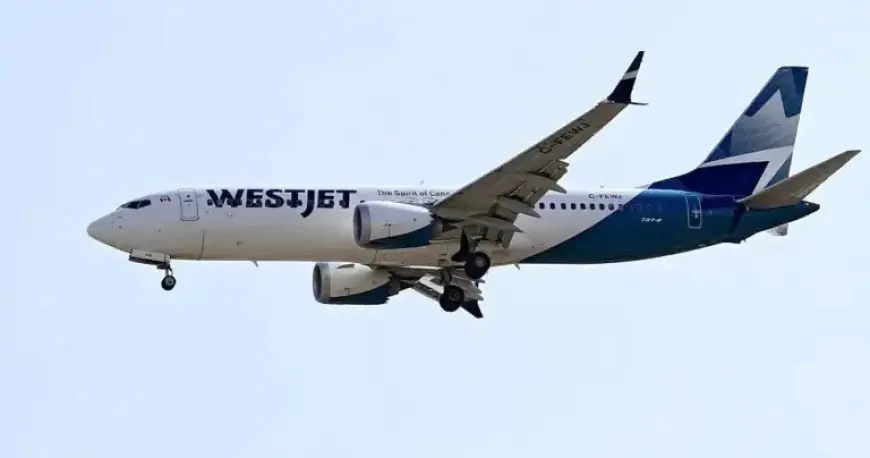
WestJet Airlines has decided to abandon its controversial plan for tighter seat layouts after facing significant backlash from passengers. The airline, which is Canada’s second-largest carrier and a Delta Airlines partner, initially aimed to add extra seats on some aircraft to lower ticket prices. However, this strategy led to growing frustration among customers.
About three weeks ago, a video showcasing a couple squeezed into their WestJet seats went viral, garnering over one million views. This video was shared by their daughter, Amanda Schmidt, who criticized the airline’s decision. “If they’re selling a seat for a human, it should fit a human,” she stated in an interview with CBS News, calling the situation inhumane.
Cancellation of Densified Seating
Since October of the previous year, WestJet had implemented densified seating by adding an extra row to nearly two dozen aircraft. This change resulted in a two-inch reduction in space between rows. In a recent news release, the airline announced it would revert to its previous seating configuration, removing one row of seats to enhance passenger comfort.
Statements from WestJet Leadership
WestJet’s CEO, Alexis von Hoensbroech, explained the reasoning behind the initial changes, stating they aimed to align with industry trends that many airlines worldwide have adopted. He emphasized the company’s commitment to innovation while acknowledging the necessity of quickly responding to customer needs. “It’s just as important to react quickly if they don’t meet the needs of our guests,” he said.
Broader Industry Context
WestJet’s situation reflects a wider trend among low-cost airlines seeking to maximize capacity. Companies like Spirit Airlines and Frontier Airlines have adopted similar approaches, with seats designed not to recline or being pre-reclined. According to former National Transportation Safety Board chair Robert Sumwalt, there are no federal requirements in the U.S. regarding seat size or spacing, raising concerns about passenger safety in emergency situations.
“Decreasing the amount of space between the seats could complicate evacuation during emergencies,” he warned.
Changes to Aircraft Configuration
WestJet has not provided a timeline for when the adjustments will be completed. Once finalized, the impacted aircraft will see a seating reduction from 180 seats to 174, aiming to enhance the overall travel experience for passengers.
For up-to-date news and developments in the aviation sector, visit Filmogaz.com.