
























John Carlson’s Status Keeps Short-Term Roster Plans Stable — Who Feels the Impact in Washington

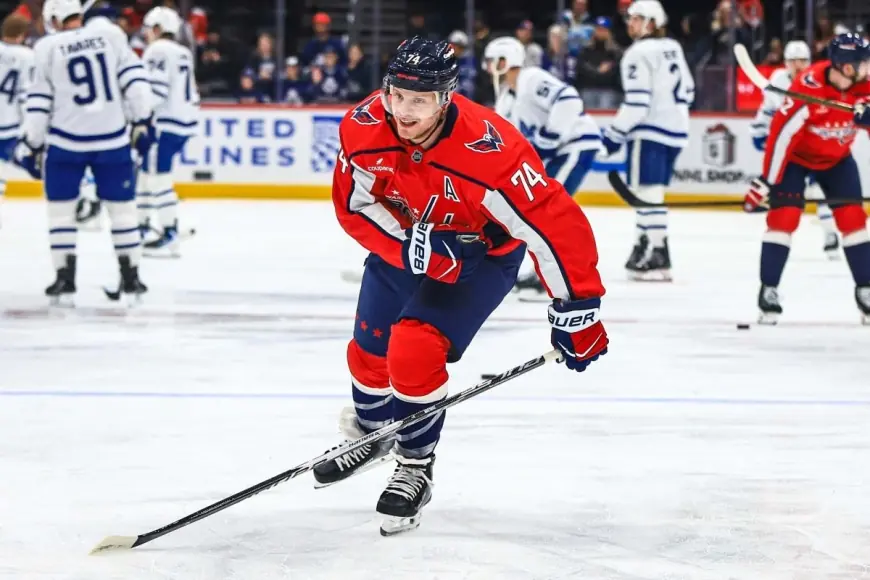
Why this matters now: john carlson’s expectation that he won’t be moved before the trade deadline changes immediate decision-making for the club’s lineup, cap planning and prospect pathway. With a 10-team no-trade list and extension talks slated to resume only “well after” the deadline if he stays, the club can plan around an experienced top-pair defenseman while the front office weighs longer-term contract scenarios.
John Carlson’s continued presence reshapes ice time, roster openings and contract timing
Here’s the part that matters: keeping john carlson in the lineup — or at least on the roster heading into the deadline window — reduces urgency to move other veteran pieces for immediate return value. That matters for younger players waiting for minutes, the team’s defensive deployment and the trade market chatter that has already generated calls about his availability. If he remains, extension conversations are expected to pause until after the deadline, shifting negotiation timing into the offseason.
What’s on the table and the concrete details behind the noise
Key facts drawn from recent coverage — stated here without attribution: Carlson holds a 10-team no-trade list and does not expect to be dealt before the trade deadline on Friday. The club expects to resume contract extension talks with him at some point well after the deadline if he remains. Teams have been making calls to gauge his availability ahead of the deadline, but the prevailing sense is any trade would require a strong offer.
- Contract status: In the final season of an eight-year, $64 million deal signed in 2018 (final-season status noted).
- Recent form: 46 points this season (10 goals, 36 assists) in 55 games; currently listed out with a lower-body injury.
- Career volume: Franchise leader among defensemen in games played, goals, assists and points; 17 seasons with the club and a two-time All-Star.
- Cap and extension signals: Analyst projections put a three-year extension estimate near $6. 15 million per season and project the club with roughly $34. 5 million in offseason cap space — framing how an extension might fit on paper.
What’s easy to miss is the leverage built into his 10-team no-trade list: it significantly narrows viable trade destinations and makes a deadline deal tougher to execute quickly. That structural constraint is why extension talks can afford to wait until after the deadline if the player remains.
The club is also managing related roster moves: one veteran defenseman could still be moved to clear a roster spot and ice time for a top prospect expected to join the roster this month. That prospect pathway is a concrete downstream effect of keeping a core veteran intact near the deadline.
The real question now is whether the team’s short-term competitive posture — resisting a disruptive swap of a franchise defenseman — will hold through the final buzzer or whether an unexpected offer will force a change. Calls about his availability indicate league interest exists, but the combination of the no-trade list and the team’s inclination to stay competitive raises the bar on any potential deal.
A brief timeline embedded in recent notes: 2008 draft selection launched his long tenure; named alternate captain beginning in the 2019–20 campaign; currently in the final season of a long-term contract while trade-deadline activity unfolds.
Implications for key groups: younger defense prospects waiting for NHL minutes, the team’s coaching staff planning defensive pairings, and the front office juggling cap space and future-term commitments will all feel the ripple effects if he remains versus if a late blockbuster appears. Expect extension conversations to meaningfully shift into the offseason calendar if he is still on the roster after the deadline.
Writer's aside: The bigger signal here is less about a single deadline day and more about timing — whether the club prioritizes keeping a veteran anchor now and negotiating later, or accepts a transformative offer that accelerates a roster reset. Either path carries clear downstream consequences for minutes, cap planning and prospect development.