

























Juegos Paralímpicos De Invierno 2026 to Feature Record Athlete Field as Chinese Medal Sweep Is Anticipated

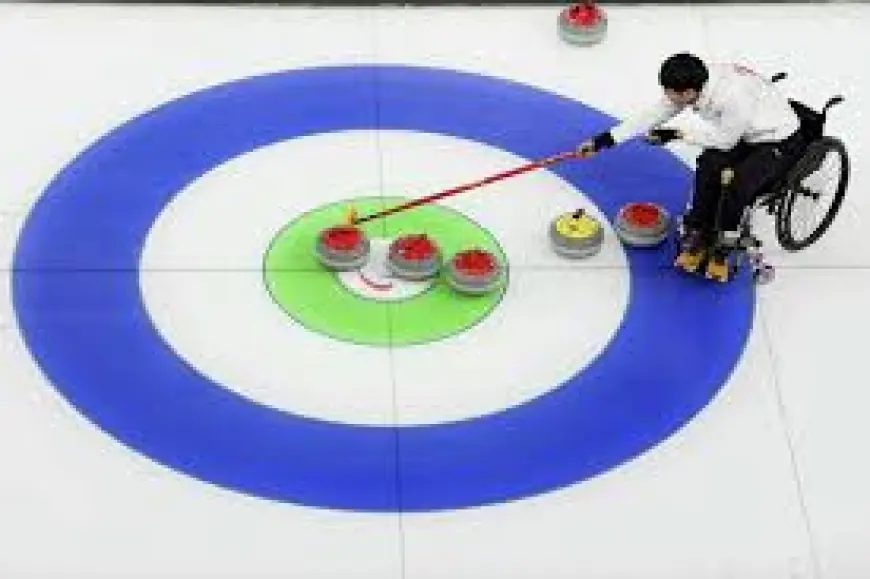
The juegos paralímpicos de invierno 2026 will proceed with the largest number of competitors in the event's history, even as the Games mark their 50th anniversary and open under forecasts of Chinese dominance. The celebratory milestone is shadowed by a decline in female participation and the absence of athletes with intellectual disabilities, altering the composition of the competition.
Juegos Paralímpicos De Invierno 2026: record de deportistas y cambio en la composición
Organizers have confirmed that this edition will present the greatest athlete turnout on record, a quantitative increase compared with prior editions. That expansion in overall participation comes at the same moment the Games begin, creating both logistical scale and competitive depth. More entrants mean more heats, expanded fields and a longer schedule of events, which in turn raises demands on venues, classification panels and event management.
What makes this notable is that the sheer size of the delegation does not translate evenly across demographic groups: while the total number of competitors has risen, the proportion of female athletes has fallen compared with previous Games, and athletes with intellectual disabilities are not represented at all. The result is a larger but less balanced athlete population.
50mo aniversario y la expectativa de dominio chino
As the Paralympic winter program marks its 50th anniversary, commentators and analysts project a strong performance from China. That expectation of Chinese dominance frames medal-watch narratives and affects how national teams plan entries and allocate coaching resources. A dominant showing by one nation typically concentrates podium finishes and can influence which events receive the most attention and investment during the competition window.
The timing matters because a milestone anniversary often draws heightened global scrutiny; with more athletes on the start lists and a national program positioned to dominate, the Games combine symbolic significance with intensified competitive stakes.
Mujeres y discapacidad intelectual: menos representación en el arranque
The opening phase of the Games highlights two pronounced shortfalls. First, the Games have started with fewer female athletes than previously — a measurable decline that changes event entry lists and could limit the range of medal contenders in women's events. Second, classifications for athletes with intellectual disabilities are absent from this edition, meaning no competitors in that category will appear on the start lists. Both developments narrow the representational breadth that the Paralympic movement aims to showcase.
Cause and effect are visible across these elements: the larger overall athlete count intensifies competition and logistical complexity, while simultaneous reductions in women's participation and the exclusion of intellectual-disability categories concentrate competitive opportunities and may amplify medal outcomes for nations with robust, well-resourced winter programs. That concentration of opportunity is one factor contributing to expectations that China will secure a disproportionate share of medals during the 50th-anniversary Games.
The juxtaposition of record participation and shrinking inclusivity raises immediate choices for future editions: whether to prioritize expansion in absolute numbers, or to pursue policies that ensure balanced representation across gender and disability categories. For this edition, the combination of a record field, anniversary attention and shifting representation will define both the narrative and the competitive architecture of the Games.