

























Grocery Outlet (grocery outlet) to close 36 underperforming stores

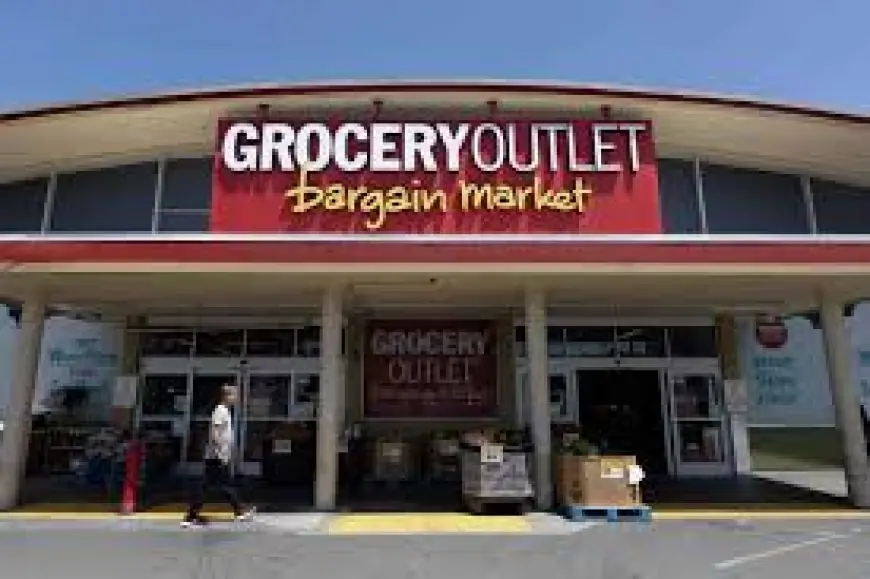
Grocery Outlet said it will close 36 stores, 24 of them on the East Coast, after concluding the chain expanded too quickly; the move is part of an optimization and restructuring plan that the company expects will carry multi-million-dollar charges but yield annualized profitability gains. Management characterized recent fourth-quarter results as unacceptable and tied the closures to efforts to restore value perception and operational efficiency.
Grocery Outlet: Why stores are closing
Company leaders identified overexpansion and an erosion of shoppers' perception of value as central factors driving the decision to shutter locations. Executives said an early-year review flagged three main contributors to comparable-sales deceleration: intensified pressure on consumers, a weakened “value perception” even though base pricing remained competitive, and operational moves that tightened the supply chain and reduced the flow of opportunistic, high-impact items that drive basket size.
Q4 results and grocery outlet figures
For the fourth quarter, the grocer presented net sales that management characterized in two ways: an almost 11% increase to about $1. 2 billion with comparable-store sales slipping nearly 1%, and a separate presentation showing $1. 22 billion in net sales that included an extra 53rd week. Excluding that additional week, revenue rose 3. 2% while comparable-store sales declined about 0. 8 percentage point. Quarterly performance reflected a roughly 170-basis-point drop in average transaction size partially offset by a roughly 90-basis-point gain in traffic. The company also reported a large non-cash charge that contributed to a Q4 net loss of $218. 2 million in one presentation of results.
Planned fixes and near-term outlook
The closures are framed as part of a broader restructuring package with projected net restructuring charges of $14 million to $25 million in fiscal 2026 and an expected $4 million to $6 million reduction to 2026 gross profit tied to discounts and markdowns to liquidate inventory at closing stores. Management forecasted that, once the optimization is complete, the actions should yield roughly $12 million in annualized adjusted EBITDA improvement.
Operational fixes noted for the near term include a store remodeling program to standardize formats, a plan to refresh about 150 locations in 2026, new merchandising and product-ordering guidance for independent operators, and moves to add distribution capacity and improve forecasting tools. Growth will continue alongside rationalization: the company finished the quarter with 570 locations across 16 states, plans to open 30 to 33 net-new stores in fiscal 2026 under a more clustered model, and characterized the closures as roughly 6% of its store fleet.
- Key takeaways: closures aim to restore value perception, incur $14M–$25M restructuring charges, and are expected to improve adjusted EBITDA by about $12M annually.
Management also indicated a temporary promotional investment of roughly $20 million to rebuild traffic and the opportunistic product pipeline, and it signaled ongoing strategic reviews of certain assets. Near-term performance will be measured against the effectiveness of the promotional push, the pace of in-store assortment recovery, and the execution of the remodeling and cluster-expansion plans; uncertainties about consumer pressure and inventory liquidations were labeled as outstanding operational challenges.