

























Seoul Market Shock: Inverse ETFs and Put Options Return 40% as KOSPI Plummets and Foreign Investors Exit

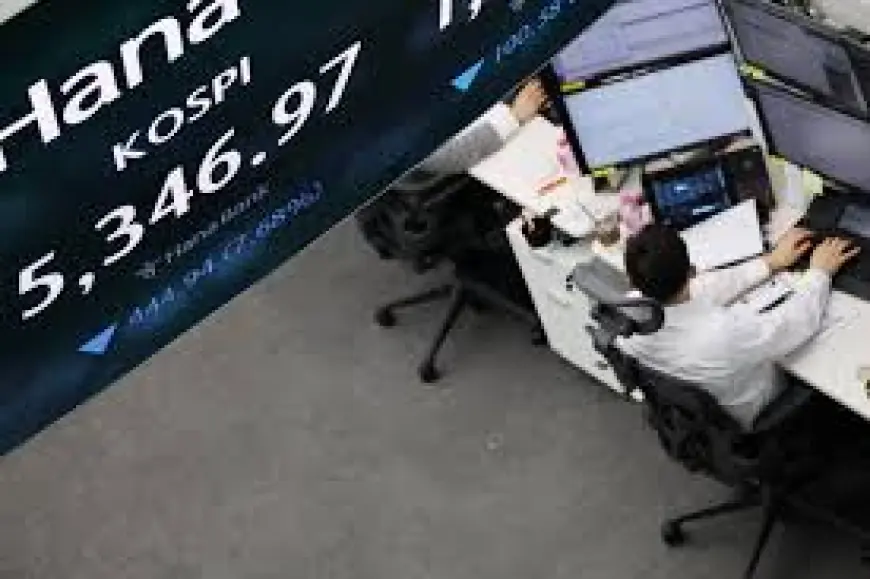
seoul — In a sharp market reversal, inverse ETFs and put options yielded roughly 40% as the KOSPI plunged, while foreign investors continued heavy selling that amounted to 19. 9 trillion won in net disposals last month, the largest monthly net outflow on record. The moves have amplified volatility across major bellwether names and widened losses in the electronics sector.
Seoul sell-off concentrated on tech leaders and the electronics sector
Foreign selling was concentrated among the shares that had led the rally. The electronics and electrical industry recorded net outflows of 21. 9 trillion won. Two top components accounted for the lion's share of the retreat: Samsung Electronics saw 14. 6 trillion won in outflows while SK Hynix registered 7. 6 trillion won, a combined total of 22. 2 trillion won pulled from those stocks.
Last month included three of the five largest daily net selling sessions in history. One session recorded 7. 1 trillion won in net selling—the largest on record—followed by sessions of 5. 3 trillion won and 3. 3 trillion won. Continued heavy selling pressure carried into the new month, with a subsequent session registering 5. 17 trillion won in net selling, the second-largest daily outflow on record.
Inverse strategies, put exposure and index impact
As the KOSPI plunged, inverse ETFs and put option strategies delivered about 40% returns to traders positioned to profit from the decline. The index slid 452. 22 points, a drop of 7. 24%, to close at 5, 791. 91. Major semiconductor names bore steep losses: Samsung Electronics fell 9. 88% to 195, 100 won and SK Hynix declined 11. 50% to 939, 000 won.
Market assessments point to profit-taking after a run-up in the largest names. Those two large-cap stocks had risen substantially earlier in the year—one up roughly 80. 6% and the other about 63. 0%—boosting incentives for repositioning and portfolio rebalancing. At the same time, concerns about a slowdown in the artificial intelligence sector resurfaced following a major earnings release, and expectations for monetary easing retreated, adding to selling pressure.
What drove the move and what comes next
Analysts and market researchers highlighted a mix of factors behind the rout: profit-taking in recently strong names, renewed downside risk perceptions in technology and AI-linked demand, and a deterioration in optimism around geopolitical developments coupled with a rebound in oil prices. That combination helped extend losses that were not fully reflected in prior sessions, compounding pressure as foreign investors reduced positions after a sharp rally.
For investors and portfolio managers, the episode underscores the speed with which market leadership can reverse and how protective or inverse instruments can produce outsized returns in a short window. It also raises questions about near-term stabilization: whether buying interest re-enters on lower valuations, whether selling momentum persists across other sectors, and how the electronics-heavy profile of the market will shape recovery dynamics.
Recent updates indicate this remains an evolving situation; market participants should expect continued volatility and monitor flows, sector concentration, and macro cues that could influence the next leg of movement in the KOSPI and related strategies.