Top 10 Overrated Liquor Brands Unveiled

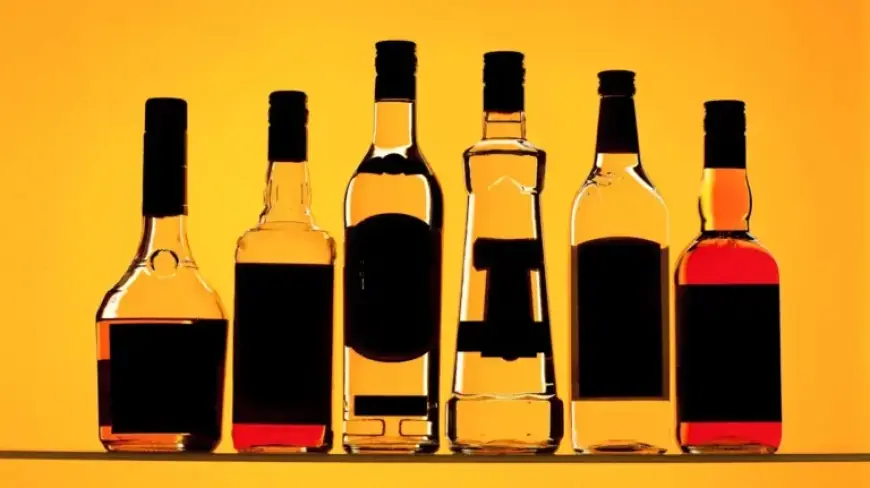
The liquor market is full of brands that enjoy considerable hype and prestige, yet many fail to deliver an exceptional drinking experience. While some of these brands may produce acceptable spirits, their reputations often stem from effective marketing and celebrity endorsements rather than superior quality. Here, we unveil the top 10 overrated liquor brands that have captured consumer attention but fall short in terms of taste, authenticity, and value.
Top 10 Overrated Liquor Brands Unveiled
Aviation American Gin
Aviation American Gin rides high on its celebrity endorsement from Ryan Reynolds and the craft spirits boom. While its New Western style aims to offer a softer alternative to juniper-heavy gins, it often leaves a bland, forgettable impression. The gin’s mild notes of lavender and citrus blend into a noncommittal profile that doesn’t assert itself in cocktails.
Grey Goose
Grey Goose was one of the first brands to market itself as super-premium vodka through clever storytelling involving French ingredients. However, blind tastings consistently reveal that cheaper vodkas can match or exceed its smoothness. The premium price paid is more for the brand’s allure and elaborate packaging than for any distinctive qualities in the bottle.
WhistlePig
Initially celebrated for sourcing high-quality rye whiskey, WhistlePig has pivoted to blending Canadian ryes without the same level of excellence. The result is a heavier spirit that often lacks the vibrant characteristics of its originals. As prices soar, consumers find themselves paying more for nostalgia than for quality whiskey.
St-Germain
This elderflower liqueur took the cocktail world by storm for its floral charm but has since become a cocktail crutch. Its overuse casts a monotonous sweetness over drinks, overshadowing other nuanced flavors. Additionally, it has limited shelf stability, which diminishes its quality over time.
Patrón
Founded in 1989, Patrón initially set the standard for premium tequila. However, as it became one of the largest producers globally, the artisanal charm faded. Today, the brand’s tequila falls short of justifying its high price point, especially amid a growing market of smaller producers delivering more distinctive flavors.
Johnnie Walker Blue Label
Positioned as a luxury Scotch, Johnnie Walker Blue Label aims for broad appeal through inoffensive smoothness. While it’s technically well-crafted, it lacks the character that seasoned whisky drinkers seek. Its high price does not accurately reflect the quality, especially when excellent alternatives exist at lower costs.
The Macallan
Once a symbol of classic Speyside whiskey, The Macallan now focuses on high-end collectible bottles instead of consistent quality. With the removal of age statements and soaring prices, its offerings sometimes disappoint, failing to deliver remarkable character or value commensurate to their cost.
Bulleit
Bulleit’s growth in popularity stems from its rugged image, but the whiskey itself lacks complexity. Its smooth, sweet profile doesn’t evolve into anything intriguing, making it a lackluster choice for both sipping and mixing. The brand’s success seems disproportionate to the experience it delivers.
Pappy Van Winkle
Pappy Van Winkle has become more of a myth than a whiskey, driving prices to absurd levels. While the bourbon quality is high, the frenzy surrounding it distorts perception, often disappointing when expectations are impossibly high. Blind tastings confirm that other bourbons may offer equal or better quality for a fraction of the cost.
Bumbu
Bumbu rum enjoys fame partly due to celebrity involvement but delivers on flavor significantly less. It’s notably sweet, bordering on overly cloying, which some critics argue makes it more akin to a liqueur. This, combined with a lower-than-standard alcohol content, leads to perceptions of being overpriced for what it offers.
Conclusion
The liquor industry thrives on branding and storytelling, yet many celebrated spirits do not hold up under scrutiny. While they may provide some enjoyment, the gap between perceived quality and reality is evident. Consumers looking for authentic experiences may want to explore alternatives to these overrated brands.