Australia Iran War prompts release of nearly 20% fuel stockpile

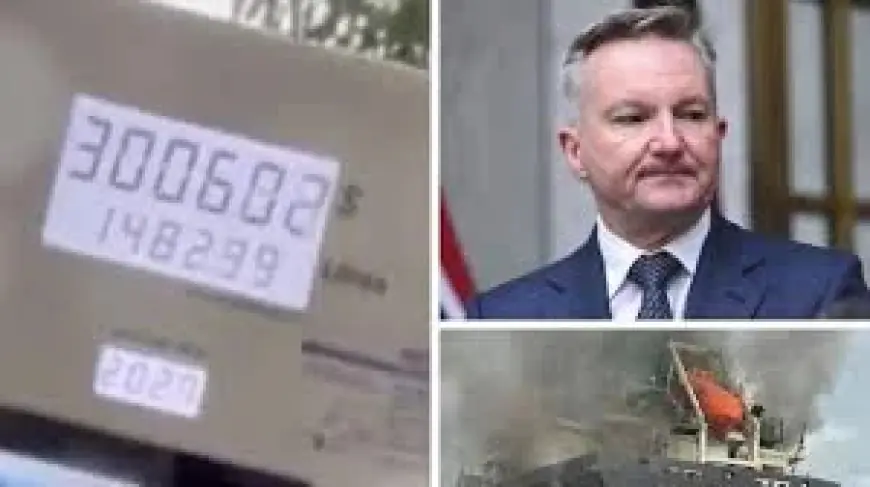
Energy minister Chris Bowen has ordered fuel companies to free nearly a fifth of Australia’s petrol and diesel reserves by cutting minimum stock obligations to about 700 million litres of petrol and 2. 2 billion litres of diesel, freeing roughly 300 million litres of petrol and 500 million litres of diesel for regional distribution. The move, tied to global tensions referenced as the Australia Iran War in public statements, directs those supplies toward towns that already lack access to fuel and links Canberra into the International Energy Agency’s coordinated release.
Chris Bowen’s stock obligation cut
Bowen reduced each importer’s and refinery’s minimum holdings to around 700 million litres of petrol and 2. 2 billion litres of diesel, which will allow about five days’ worth of petrol and six days’ worth of diesel to be released from each holder. The figures point to a targeted effort to convert statutory stockpiles into immediately available supply rather than expanding imports or cutting the fuel excise.
Australia Iran War release
The released fuel will feed regional Australia, where Bowen acknowledged some places no longer have access to fuel, and the move will count toward the IEA’s largest-ever coordinated oil reserve release ordered on Wednesday. The pattern suggests Canberra is prioritizing short-term redistribution to relieve local shortages while relying on international coordination to stabilize global supply.
Tony Wood’s supply warning
Tony Wood of the Grattan Institute said that releasing about a week’s extra supply on top of existing reserves could ease panic-buying if consumption has not actually risen. Yet Wood also warned that Australian supply could still be disrupted, noting that a prolonged US war on Iran would increase pressure on suppliers; Bowen likewise acknowledged further threats to fuel suppliers if international circumstances continue to worsen.
Petrol use and imports were described as unchanged since the US began its actions in the Middle East, while demand for petrol and diesel had doubled across Australia, Bowen said, and petrol prices rose nearly 50 cents per litre across the five largest cities from 20 February to 11 March, averaging close to 220 cents. The figures point to immediate domestic stress: Perth recorded the largest petrol hike of nearly 60 cents per litre, and Sydney saw diesel jump by almost 68 cents, underscoring why redistributed reserves are aimed at regional areas experiencing shortages.
China reportedly banned exports of refined fuel to protect domestic supply, and China accounts for nearly a fifth of Australia’s jet fuel imports. That development links international supply shocks to the decision to unlock domestic stockpiles, and it confirms why Bowen framed the release as part of a wider coordinated response rather than a unilateral domestic policy shift.
Bowen ruled out cutting the fuel excise and dismissed rationing of purchases as a policy response, while noting he could not be certain when freed supplies would actually reach regional towns because “it’s a big country and every town is different. ” If the redistributed stock reaches those towns within a matter of days, the data suggests panic-buying and immediate shortages could ease; if transport or distribution bottlenecks delay delivery, regional shortages are likely to persist.
The specific unresolved question the government left open is when the released petrol and diesel will arrive in regional Australia; Bowen confirmed the fuel would not be released immediately and said he could not be sure when it would reach affected towns.