Rep. Ro Khanna Advocates for Creators’ Own ‘Bill of Rights’

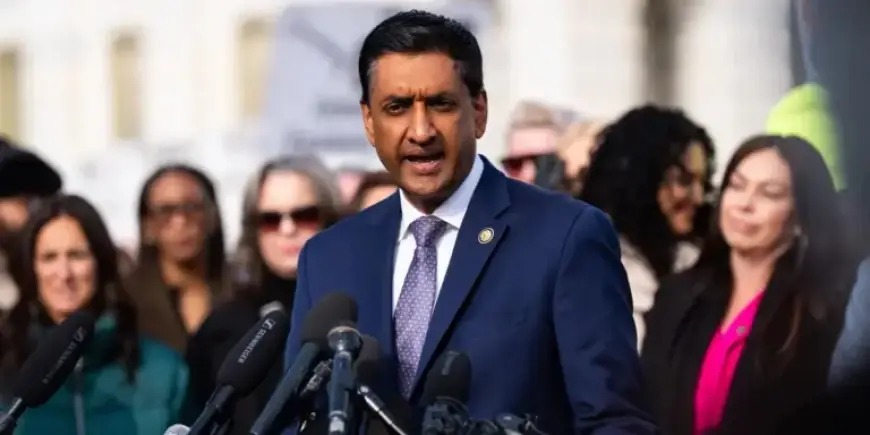
Congress is set to address a significant question: Do digital creators need enhanced labor protections? A report from the Interactive Advertising Bureau estimates there are approximately 1.5 million full-time creators in the United States. This growing employment sector is prompting Democratic Rep. Ro Khanna of California to advocate for a more stable environment for these workers.
Ro Khanna’s Creator Bill of Rights
On Thursday, Rep. Khanna plans to introduce the “Creator Bill of Rights,” a House resolution outlining various policy recommendations aimed at tackling issues faced by content creators. Khanna emphasized the importance of ensuring these jobs contribute to the middle class, stating, “We need to make sure that these jobs are good jobs.”
This resolution is primarily a discussion starter rather than a legislative change. Khanna developed it in collaboration with notable creators and industry advocates, including Shira Lazar and Lisandra Vásquez.
Key Proposals in the Creator Bill of Rights
Among the proposals put forth in the bill are the following:
- Revenue Transparency: Platforms should provide clearer revenue-sharing terms. While YouTube has transparent practices, others often implement opaque “creator funds,” leading to unpredictable payouts.
- AI and Synthetic Media Transparency: The bill advocates for clarity on how artificial intelligence affects creators’ revenue and opportunities.
- Smoother Customer Service: Creators face challenges with account management, particularly when facing demonetization. The bill suggests improvements in appeal processes for creators.
- Portable Benefits: The proposal includes access to benefits such as health insurance and retirement plans, addressing the needs of independent contractors.
Khanna noted that while some proposed costs, like healthcare expansion for creators, would be borne by the government, other costs could fall on tech companies. This aspect may prompt pushback from these platforms and some Congressional colleagues against government overreach in private sector operations.
Challenges Facing Digital Creators
The landscape for digital creators is rapidly evolving. A recent Morning Consult report revealed that nearly half of Gen Z values careers as professional content creators. Despite an appealing exterior, many creators are left without essential workplace benefits, such as subsidized health insurance. Additionally, factors like algorithm changes on platforms can drastically impact a creator’s reach and revenue.
Income inequality has increased in the creator economy, with fewer resources directed toward emerging talent as larger stars dominate the market. Many members of Congress, unfamiliar with the nuances of social media’s impact, sometimes misinterpret platforms like TikTok as merely entertainment.
Political Engagement and Support for Creators
Recent months have seen increased attention from politicians toward digital creators. In June, Representatives Yvette D. Clarke and Beth Van Duyne announced the formation of a Congressional Creators Caucus. This body aims to incorporate the experiences and perspectives of content creators into public policy discussions.
Organizations outside of Congress, such as SAG-AFTRA and The Creators Guild of America, are also advocating for new labor protections for digital creators. These initiatives signify a noteworthy shift in recognition and support for the creator economy.