























Carney Chooses Realpolitik Approach Amid Iran Conflict

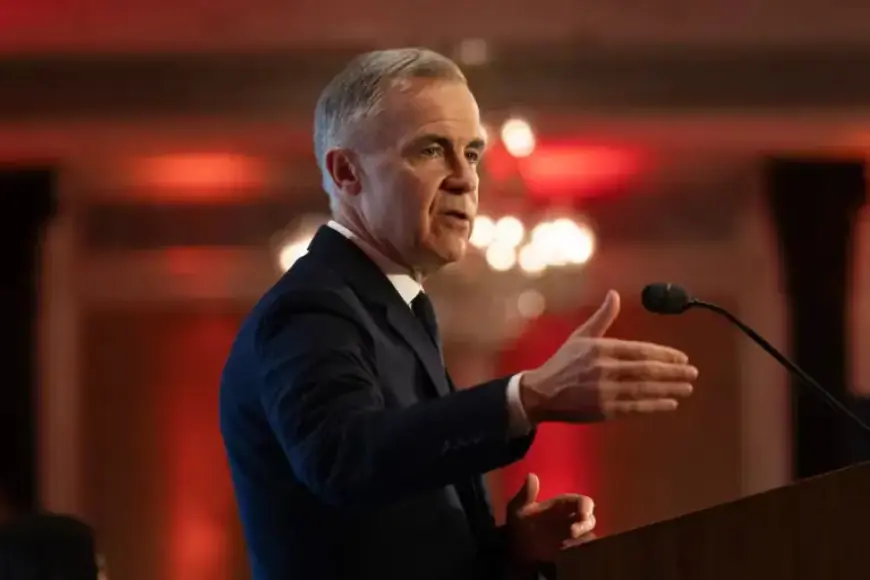
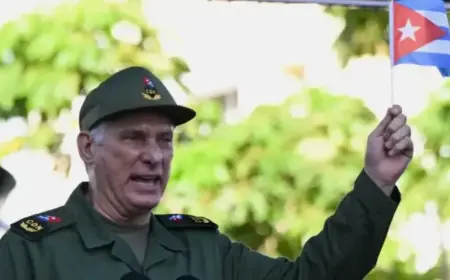
Mark Carney, Prime Minister of Canada, quickly endorsed U.S. military action aimed at preventing Iran from acquiring nuclear weapons. His support underscored a realpolitik stance, choosing to align Canada with its primary ally, the United States, amidst the escalating conflict with Iran.
Background of the Conflict
The tension with Iran has been exacerbated by U.S. President Donald Trump’s recent military actions. In a concise announcement, Trump outlined several justifications for these actions, including Iran’s nuclear weapons program and its longstanding sponsorship of terrorism. However, these arguments seem to pivot towards a broader agenda of regime change in Iran.
Strategic Choices and Consequences
- Carney did not engage in discussions about the legality of the strikes.
- He excluded any future Canadian military involvement in the conflict.
- This decision reflects a pragmatic, realistic approach to international relations.
Carney’s alignment put Canada in a supportive role while expressing hope that the conflict could result in a new Iranian government that could promote peace in the Middle East. Observers remain concerned, however, that military intervention may not lead to desired outcomes.
Recent Developments
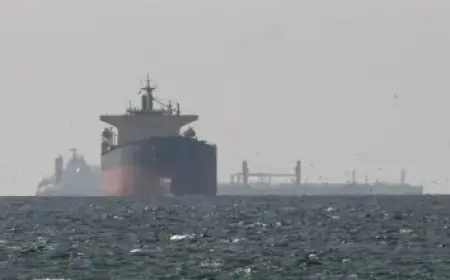
The recent U.S. and Israeli airstrikes have already resulted in significant casualties, including the death of Iran’s Supreme Leader, Ayatollah Ali Khamenei, and other high-ranking officials. The bombings have also targeted military sites and vessels associated with Iran.
Potential for Future Violence
Historically, military strikes have not proven effective in fostering democratic governance. Previous examples, such as operations in Libya and Iraq, cast doubt on whether decapitating a regime will lead to stability or democracy. Past U.S. military strategies demonstrate the unpredictability of outcomes following such interventions.
Complex Relations
In another twist, Trump’s announcement hinted at an expectation of eliminating Iran’s nuclear capabilities, despite previous dialogues between U.S. and Iranian officials aimed at reaching a nuclear deal. As discussions appeared to be progressing, the military actions indicate a sharp shift toward conflict.
Implications for International Alliances
Trump’s latest military decisions reveal a willingness to escalate tensions with Iran. His departure from established agreements, such as the 2015 nuclear pact, and his previous military strikes have raised alarms about the stability of international relations in the region.
- U.S. President Donald Trump has displayed a pattern of impulsive military action.
- The current situation risks drawing Canada and other nations into a complex conflict.
- There is uncertainty around the future role of traditional allies in this conflict.
As the situation develops, the world watches closely, reflecting a mixture of hope for a peaceful resolution and concern for the escalation of military actions. Canada, under Carney’s leadership, has made its stance clear, but its future involvement remains uncertain.