Lawsuit Claims Lilly and Novo Restricted Telehealth to Block Compounded GLP-1s

Strive Specialties, a prominent compounding pharmacy, has filed a lawsuit against pharmaceutical giants Eli Lilly and Novo Nordisk. The suit alleges that these companies have been restricting telehealth services to undermine competition in the GLP-1 drug market.
Lawsuit Overview
Strive claims that Eli Lilly and Novo Nordisk are leveraging their partnerships with telehealth providers, such as Ro, Weight Watchers, and LifeMD, to block these companies from collaborating with compounding pharmacies. This practice limits patient and prescriber access to personalized versions of GLP-1 medications, which are often available at lower prices than the branded offerings.
Compounded Drugs vs. Branded Medications
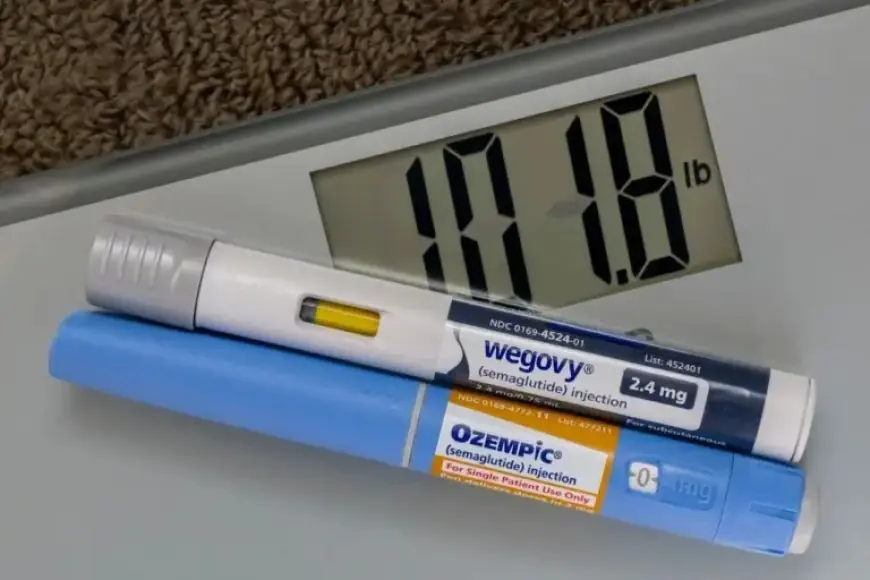
GLP-1 medications, like Novo’s Ozempic and Wegovy, have gained popularity for weight management. Strive argues that their compounding services provide necessary alternatives to standard formulations, particularly for patients who require more customized treatments.
- Many patients rely on telehealth services for medication access.
- Compounding pharmacies create tailored medications, potentially at lower costs.
Telehealth Partnerships Impact
The lawsuit specifically refers to Novo’s previous partnership with Hims & Hers, which ended when Hims continued to offer compounded versions of Wegovy. This decision highlights the ongoing tension between traditional pharmaceutical companies and compounding pharmacies.
Reaction from Drugmakers
Representatives from Eli Lilly have dismissed Strive’s claims as a distraction from their own business practices. In a prior legal battle, Lilly accused Strive of misleading marketing strategies, although that lawsuit was dismissed in October due to jurisdiction issues.
Market Implications
Despite the FDA’s decision earlier this year to no longer classify GLP-1 drugs as in short supply, many compounding pharmacies continue to offer alternatives marketed as “personalized” or “microdosed” versions. These alternatives remain popular due to their lower cost compared to branded drugs.
- Approximately 1.5 million patients in the U.S. are using compounded GLP-1 versions, according to Novo’s CEO, Mike Doustdar.
- Price sensitivity drives patients to choose compounded options.
The lawsuit underscores the significant changes in the pharmaceutical landscape and raises important questions about patient access to medications in a competitive market. As developments continue, the outcomes may shape the future of telehealth and compounding pharmacy services.