






















Luke Grimes on Monica Dutton’s Death: Why Kayce’s New Path in Marshals Changes the Story and Stakes

The creative choice to have Monica Dutton die matters because it immediately remaps the lead character’s responsibilities and the series’ moral center. luke grimes was open about being heartbroken when he learned the plan, and the premiere uses that loss to force Kayce into single parenting, deeper ties with his adopted community, and a plotline that foregrounds cancer linked to local toxins. Here’s the part that matters: those shifts turn a familiar character into a hinge for both family drama and a community-focused storyline.
Luke Grimes and the consequences for Kayce, Tate and the show’s tone
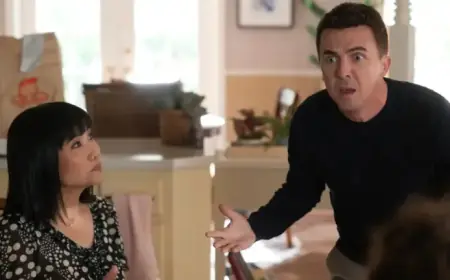
Luke Grimes described a personal reaction to the decision and reached out to his co-star to check on her—an exchange framed as candid and supportive. He initially felt heartbroken, then spoke with the actor who played Monica; their conversation was described as constructive, and she was said to be handling the change professionally.
On a narrative level, the premiere pushes Kayce from a settled life into a set of new obligations. The absence of Monica forces him to assume more visible responsibility for Tate and to rely more heavily on his connections with tribal leaders and advisors. That reorientation is explicit: Kayce visits Monica’s resting place to stay connected to her, and he leans into a spiritual and practical bond with his close allies.
What’s easy to miss is how that personal void becomes the engine for broader story mechanics—the show uses grief to justify a tonal shift into procedural elements and public-facing conflicts while keeping the emotional core anchored to family and community.
How the premiere frames Monica’s absence and the issue it raises
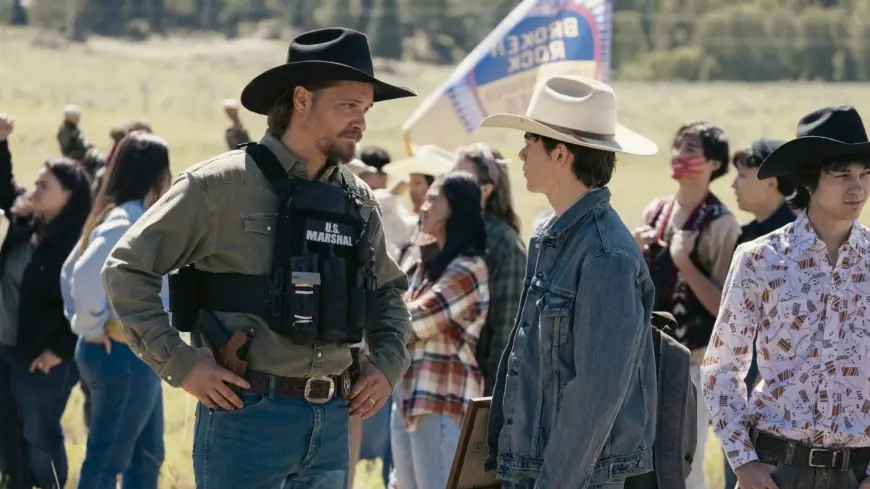
The first episode reveals that Monica died of cancer. The creators framed that death as tied to a larger public-health concern: high cancer rates on the reservation were linked to toxins from a nearby mine, and the premiere places Kayce at a demonstration where the community protests that environmental harm. During that sequence Kayce is deputized by a friend and stands guard with a squad; Tate is present, holding a photograph of his mother.
Monica’s death is treated as more than a plot device—her spirit is described as continuing to guide Kayce, and her absence reshapes his relationships. Kayce grows closer to his tribal allies, who are cast as extensions of Monica’s family, and one of those allies is shown critically injured in the premiere, raising immediate stakes for Kayce’s choices.
- Micro timeline: Yellowstone premiered earlier in the franchise; the new series premiered on March 1 and used its first episode to reveal Monica’s death.
If you’re wondering why this keeps coming up, the showrunner’s rationale is clear: the team wanted to shake up Kayce’s life to create narrative momentum and to root the story in a real-world issue—cancer linked to environmental toxins on reservations—rather than a violent exit.
The real question now is how Kayce balances new public duties with private grief. Early signals that will point the series’ direction include episodes that show him juggling law-enforcement work, single parenting, and visits to his wife’s resting place; sequences that explore the community protest and its fallout; and moments that test his evolving ties with tribal leaders and advisors.
Who feels the change first: Tate, who must reckon with losing the parent who had been the household’s emotional anchor; Kayce, forced into a parental role and a new line of work; and the tribal community, whose environmental complaint becomes central to the plot. The premiere sets all three in motion.
Writer’s aside: The bigger signal here is that the show is deliberately weaving personal loss into a societal storyline, which gives the lead’s grief a policy-shaped echo rather than isolating it as purely private pain.