Senate Hearing Intensifies as OB/GYN Dodges Question on Male Pregnancy

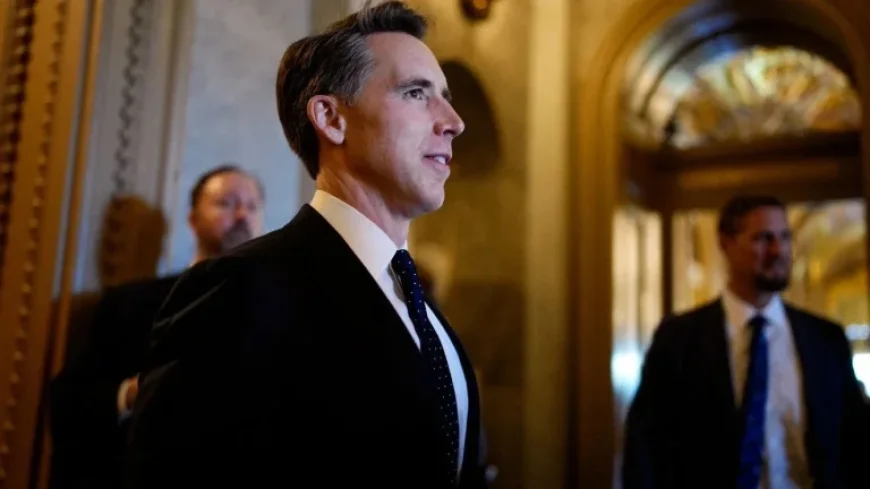
The recent Senate hearing on medical abortion bills took a heated turn when Dr. Nisha Verma, a board-certified OB/GYN, faced questions from Senator Josh Hawley (R-MO) regarding the controversial topic of male pregnancy. During the session, Dr. Verma represented Physicians for Reproductive Health and was questioned about whether men can become pregnant.
Key Events from the Senate Hearing
Senator Ashley Moody (R-FL) initially posed the question, which was later reiterated by Senator Hawley. Dr. Verma refrained from providing a straightforward answer, citing a lack of clarity about the “goal” behind the inquiry. Her response highlighted her approach to treating patients with diverse identities, emphasizing her commitment to inclusivity.
- Dr. Verma is a board-certified OB/GYN and professor.
- Senator Josh Hawley challenged her with direct questions about biological reality.
- The exchange centered on the complexities of gender identity and biological sex.
- The hearing took place in the Senate Health, Education, Labor and Pensions Committee.
- The session followed Supreme Court arguments about transgender athletes in sports.
Confrontation Over Biological Reality
Senator Hawley insisted that understanding if men can become pregnant is essential to establish a biological truth. He expressed that the questioning aimed to assess Dr. Verma’s credibility as a medical professional. The discussion became contentious, with both parties speaking over each other.
Hawley argued that recognizing the difference between biological men and women is fundamental to the conversation about abortion and healthcare. He questioned Dr. Verma’s authority to speak on the safety of abortion pills, given her reluctance to address basic biological facts.
Dr. Verma’s Defense
In her defense, Dr. Verma criticized the use of “polarized language” in discussions surrounding such sensitive topics. She claimed that simple yes or no questions oversimplify complex medical issues. Verma reiterated her dedication to representing the experiences of all her patients, which includes those who do not identify strictly as women.
As tensions escalated, Hawley maintained that affirming the biological reality of women should not be deemed polarizing. He stressed the importance of clarity in the discussion about medical science and women’s healthcare rights.
The Broader Implications
The hearing underscored the ongoing debate surrounding gender identity and its implications for healthcare policy. In addition, the session’s proximity to the Supreme Court discussions on transgender athletes highlighted the growing complexities of these issues in both social and legislative contexts.
With opinions deeply divided on topics of gender and science, the Senate hearing epitomized the challenges medical professionals face when engaging in political discourse.