
























Nytimes Access and Accountability: How a 'Are you a robot?' Gate and a Headline — 'The Doctors Who Helped Epstein Keep His ‘Girls’ in Shape' — Change Who Reads Sensitive Reporting

The moment matters because two simple layers — a site’s access prompt and a provocative headline — combine to decide which readers reach reporting. The nytimes label appears amid a landscape where an interactive verification message asks users to click a box to continue and a separate headline claims doctors helped Epstein keep his ‘girls’ in shape; both affect who can and will read difficult material, and they shape immediate public visibility.
Who feels the impact first: Nytimes readers, casual visitors and anyone stopped by a verification prompt
Readers trying to reach the story face at least two frictions. First, a common interactive prompt instructs: to continue, click the box below to confirm you are not a robot. The same message advises users to ensure their browsers support JavaScript and cookies and that those elements are not being blocked. It also directs people seeking more information to review a site’s Terms of Service and Cookie Policy, and invites inquiries to the support team with a reference ID provided in the message. Second, a subscription pitch frames premium access to global markets news as part of the same user journey.
Event details and the content behind the gate
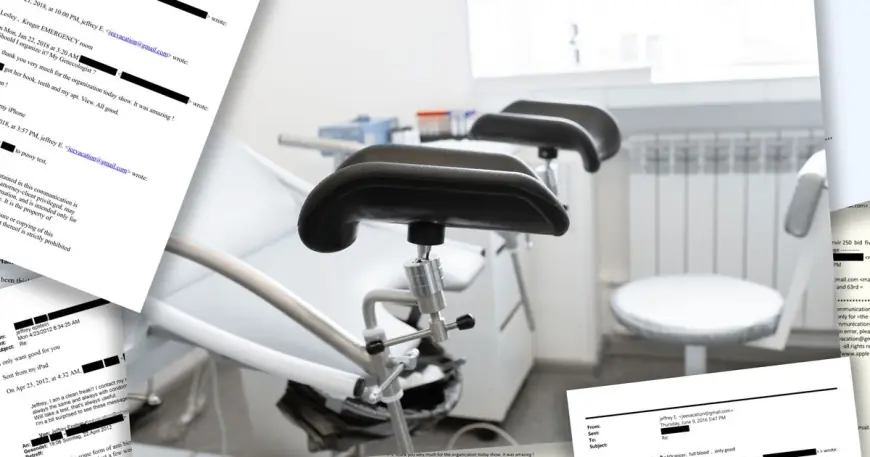
The headline at issue reads: "The Doctors Who Helped Epstein Keep His ‘Girls’ in Shape. " That line presents a strong claim involving medical professionals and Epstein; this remains a developing matter in the provided material. The access prompt text and the headline are distinct pieces of the same reader experience: one is a barrier and site instruction, the other is the editorial hook that follows when a reader clears that barrier.
- To continue, users are asked to click a verification box to confirm they are not a robot.
- Users are reminded to enable JavaScript and cookies and to avoid blocking those features.
- For more information, readers are pointed toward Terms of Service and Cookie Policy documentation.
- Contact instructions ask users to reach a support team and supply a reference ID tied to the message.
- The site promotes a subscription that promises global markets news at readers’ fingertips.
- Separately, a headline asserts that doctors helped Epstein keep his ‘girls’ in shape; that claim is flagged here as developing given the single-item context provided.
Here's the part that matters: friction at the access layer is not neutral. It culls the audience, shifting initial exposure to people willing to click, enable technical features, or subscribe. The nytimes label, used here as a reference point, indicates how prominent outlets’ presentation choices help determine who reads what.
- Key takeaway — access friction reduces casual readership and raises the bar for encountering sensitive claims.
- Key takeaway — technical requirements (JavaScript, cookies, clicking a box) are gatekeeping tools that can disproportionately affect mobile, privacy-conscious, or low-bandwidth users.
- Key takeaway — a subscription pitch tied to the verification path signals a commercial layer attached to reaching investigative or controversial headlines.
- Key takeaway — because the headline about doctors and Epstein appears in the provided material as a single asserted line, the factual claim is best treated as developing rather than settled.
It’s easy to overlook, but the sequence — verification message, terms/policy prompts, subscription invitation, then a sensational headline — matters for accountability. If fewer people reach the claim, public scrutiny and the pressure that often follows detailed reporting can be muted. The real test will be whether more corroborating items appear to move the doctors-and-Epstein claim from developing to established.
Writer's aside: editorial choices about access and framing are routine, but they quietly shape which stories gain momentum; that effect deserves attention even when the underlying claims are still unfolding.
Final practical note: the verification instructions mention supplying a reference ID to support staff for inquiries, and they explicitly encourage reviewing Terms of Service and Cookie Policy documents for further details. The headline phrase in the provided context remains unchanged: "The Doctors Who Helped Epstein Keep His ‘Girls’ in Shape. "