

























Anthropic Stock Reaction Spurred by Trump Ban and OpenAI-Pentagon Deal

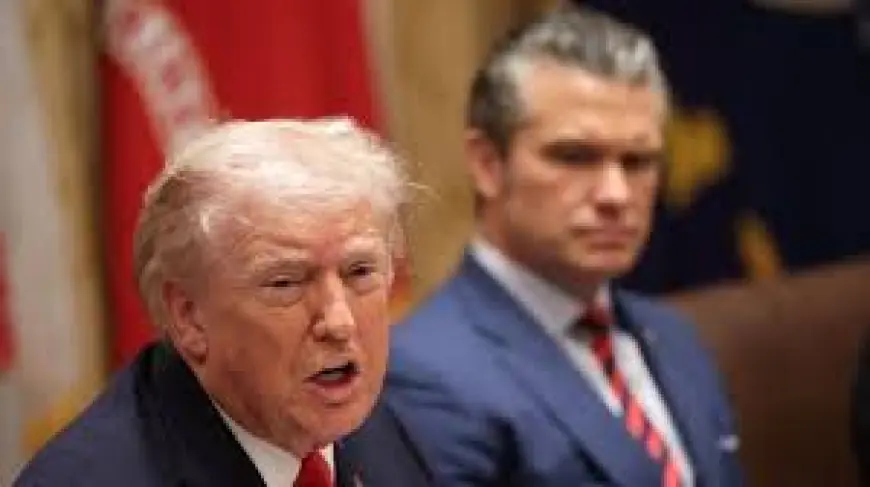
The Trump administration’s move to ban Anthropic prompted immediate market and policy reverberations, and Anthropic Stock entered a period of heightened scrutiny. Hours after the ban, OpenAI struck a deal with the Pentagon and the sequence of actions forced a rapid government response.
OpenAI Deal with the Pentagon
OpenAI completed a contract with the Pentagon hours after the administration banned Anthropic from federal use. The deal followed a short but consequential interval; that timeline — a matter of hours — framed the shift in procurement away from Anthropic and toward OpenAI. The Pentagon’s acceptance of a new vendor after the ban signaled an operational need to maintain access to advanced AI capability despite the policy change.
Donald Trump’s Order to U. S. Agencies
President Donald Trump issued an order mandating that U. S. agencies stop using Anthropic AI technology. That instruction came in the wake of a standoff involving the Pentagon and led to immediate compliance directives for federal departments. The order represented a formal, government-level prohibition on Anthropic platforms within agency systems.
Pentagon Standoff and Its Impact
The Pentagon standoff is the proximate cause cited for the administration’s actions: the confrontation at the Defense Department preceded the order halting Anthropic usage across agencies. This sequence — standoff, presidential order, then rapid vendor pivot — created a cascade of operational decisions inside government bodies responsible for national defense and procurement oversight.
Anthropic Stock and Federal Bans
With the administration’s ban and the presidential order, Anthropic Stock faced immediate exposure to policy risk. The ban and subsequent directive to agencies raised questions about contractual continuity and access to federal customers. The company’s market profile is now tied to how quickly agencies can transition systems and whether alternative arrangements, like the OpenAI-Pentagon deal, become the default.
Immediate Effects on Agencies and Procurement
The combined actions produced concrete operational effects: agencies were told to cease Anthropic usage, the Pentagon engaged a different AI provider, and procurement pathways shifted rapidly. Those three actions altered the landscape for federal AI deployment, forcing downgrades of certain vendor authorizations and accelerating contingency plans for continuity of services.
What makes this notable is the speed with which federal policy and defense procurement adapted — a matter of hours — demonstrating that administrative decisions can translate into immediate shifts in vendor relationships and operational posture. The broader implication is that commercial AI firms working with government customers now face not only technical and compliance scrutiny but also the potential for abrupt political intervention that reshapes contracts and access.
Several strands remain unclear in the provided context: the scope of agencies affected beyond the Pentagon, the specific terms of the OpenAI contract, and the mechanisms federal departments will use to unwind or replace Anthropic integrations. Those details are unclear in the provided context and will determine how sustained the effects on Anthropic Stock and federal AI capabilities prove to be.
For now, the sequence is clear: a Pentagon standoff precipitated a presidential order to halt Anthropic technology in agencies, and within hours OpenAI secured a Pentagon deal, prompting an immediate reevaluation of vendor reliance across the federal government.