
























Anthropic Stock Faces New Uncertainty After Pentagon Standoff and White House Orders

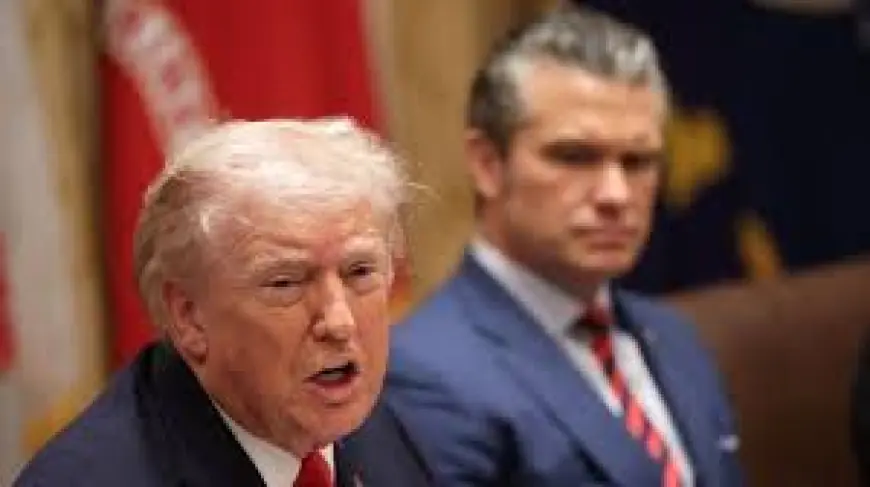
What changes because of this cluster of government actions is immediate market and procurement uncertainty for Anthropic Stock. A presidential ban on the company, followed hours later by a separate deal between the Pentagon and a rival, and a subsequent White House order barring agencies from using Anthropic’s AI technology create a tighter policy and competitive squeeze that investors and partners will feel first.
Consequences: why the sequence tightens pressure on Anthropic Stock
Here’s the part that matters: when a federal ban is paired with a rival securing Pentagon work within hours, the practical effect is to shrink the list of government and defense-adjacent opportunities available to the banned vendor. The White House move to order U. S. agencies to stop using Anthropic’s AI tech reinforces that constraint across the federal procurement landscape. That combination raises short-term liquidity and revenue risks for the company and increases the odds of reputational spillover in private-sector deals.
Event details, compressed and connected
- A presidential administration action banned the company from certain uses.
- Hours after that ban, a rival company struck a deal with the Pentagon.
- The president issued orders directing U. S. agencies to stop using the company’s AI technology after what is described as a Pentagon standoff.
- The president publicly lashed out at the company in the wake of these developments.
These points form the factual backbone of the episode: ban, rival Pentagon deal, agency-use prohibition, and presidential criticism. The exact mechanics and scope of each action are unclear in the provided context.
Three quick questions readers are likely to have—and short answers
- What immediate pressure will Anthropic Stock see? Expect heightened volatility tied to investor reaction to the ban and the Pentagon deal; sentiment is likely to wobble until the company clarifies contract exposure and revenue impact.
- Who is directly affected aside from shareholders? Federal agencies that had been evaluating or using the company’s AI tech will face an operational choice to transition systems or pause uptake; commercial partners weighing public-sector ties will reassess risks.
- How could this situation shift? Reversal or narrowing of the ban, new procurement decisions, or public engagement between the company and government could change the outlook—but those paths are not detailed in the current information.
Signals that would confirm a longer-term market shift
Two categories of next signals would matter most: formal changes in procurement or policy that either extend or lift the ban, and explicit confirmation of contract awards to competitors that permanently reallocate expected business. If federal agencies systematically remove the company from active use, the competitive and revenue consequences will become clearer. If, instead, the ban is limited in scope or reversed, the immediate market shock could be temporary.
It’s easy to overlook, but the rapid sequence — ban, rival Pentagon deal hours later, agency order, presidential criticism — creates a compound effect that matters more than any single action.