























Xbox future questioned as critics call the xbox dead and Game Pass pricing under fire

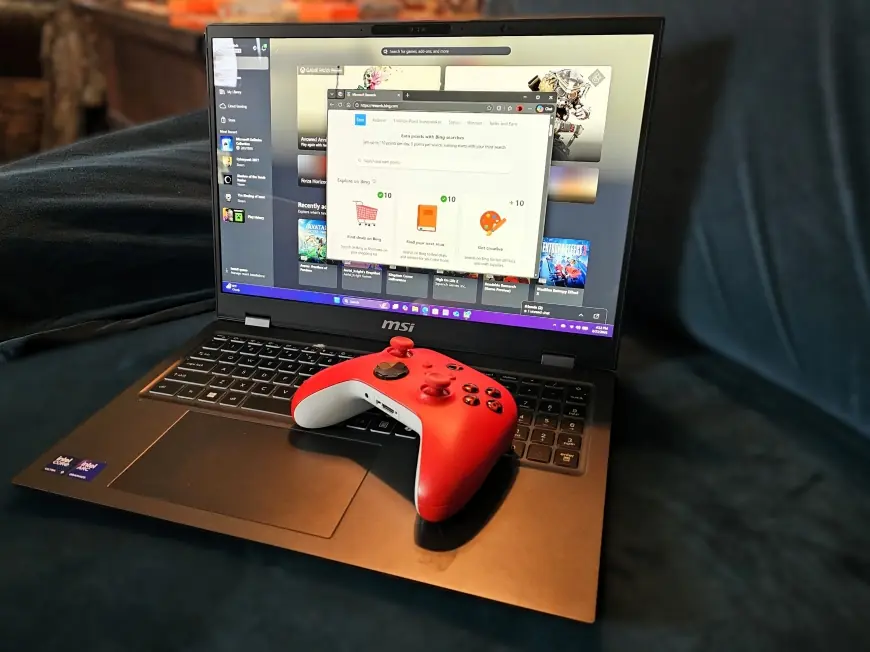
In the last few days Microsoft’s gaming leadership shifted as Asha Sharma displaced Phil Spencer and Sarah Bond, a change that has sharpened scrutiny of xbox strategy while debate over Game Pass pricing intensifies. The platform faces calls to make Game Pass more affordable after a 50% increase in Game Pass Ultimate to $29. 99 per month and moves that changed the value of loyalty rewards.
Make Xbox Game Pass affordable again
One prominent proposal in recent coverage argues Microsoft should restore direct purchase of Game Pass subscriptions using its Rewards points and offer significantly lower Game Pass prices when redeemed that way. The argument notes that Rewards had been a loyalty bridge—earn points for searches and playing, then redeem for subscriptions—but recent changes raised reward redemption costs and tightened what points can buy, eroding perceived value for longtime customers.
Those calling for a change say reversing the barrier that prevents Rewards points from buying Game Pass subscriptions would directly reward the most engaged users and could blunt subscriber losses tied to the service’s price rise.
Why some say the xbox is dead
Criticism has grown louder among some industry observers who argue that Microsoft’s all-in push on Game Pass has reduced the value proposition of owning a console. One analyst has been blunt, saying, "I think the console is dead, " and tying that view to the company’s embrace of a high-priced, all-in subscription model rather than lower-cost, broader access options. That analyst also criticized the decision to position a full Game Pass package at roughly $30 per month, saying it should have been closer to $10 for an all-you-can-play model.
Coverage of the criticism points to two observable indicators: the Game Pass Ultimate price increase of 50% to $29. 99 per month and commentary that hardware sales have softened over recent years. Those indicators are being presented as evidence that the current subscription-first approach may be weakening demand for dedicated consoles.
Leadership change and its implications
The leadership shift places Asha Sharma at the helm of the gaming division. Coverage notes Sharma previously led product for an AI platform for two years and that her stated commitments include "great games, the return of Xbox, and the future of play. " Observers have highlighted that her public resume lacks a long track record inside the gaming business, a point that has been raised as a concern about her ability to reverse persistent issues tied to exclusives, launch execution and hardware strategy.
For now, the observable facts are limited to the leadership change, the Game Pass price rise, and adjustments to Rewards redemption that have altered perceived value. Rumors around a next-generation console include a tentative 2027 target for a new device, but that timeline is not confirmed.
Analysis and forward look
Three conditional scenarios frame the near-term outlook: if Game Pass pricing stays elevated and Rewards redemption remains constrained, subscriber churn and lowered hardware demand may continue; if Microsoft restores Rewards-to-Game-Pass redemption and offers meaningful discounts for loyal users, it could stabilize subscriber sentiment; if leadership prioritizes a renewed console focus with clearer exclusive content strategy, the perceived value of console ownership could recover.
At minimum, the combination of a steep subscription price increase, changes to loyalty rewards, vocal criticism that the console is "dead, " and fresh leadership create a narrow window for policy moves that could shore up trust. The next steps the new leadership takes on pricing, Rewards redemption and platform-first content will be the most concrete indicators of whether the current criticisms will ease or harden into longer-term damage.