
























Armie Hammer's Comeback Forces a Reappraisal of Casting, Reputation and Recovery in Hollywood

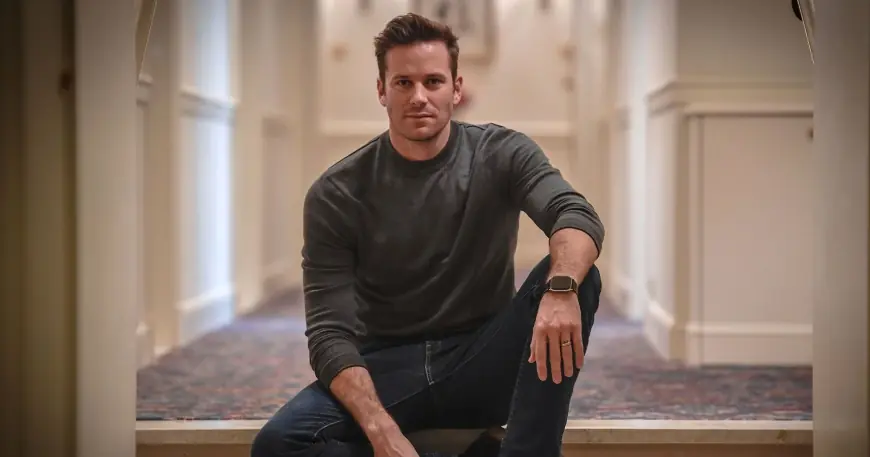
What changes because of a high-profile actor trying to return to screens? armie hammer's re-emergence matters not just for his career but for how studios, talent executives and audiences handle accused figures who seek work again. The optics of the projects he’s chosen, the public statements he's made and the business deals he’s pursuing will shape whether the industry treats this as a quiet rehabilitation, a commercial risk, or a cultural inflection point.
Armie Hammer's return: who feels the impact first and how
Here’s the part that matters: casting him affects multiple groups at once — people attached to projects, marketing teams, audiences who were affected by past allegations, and creatives who must weigh collaboration choices. armie hammer’s comeback is already prompting debate because his earliest post-hiatus film features a character who commits sexual violence, and because his public profile includes a controversial podcast that has been paused. Those two facts complicate any straightforward narrative of quiet reintegration.
It’s easy to overlook, but the bigger signal here is how role selection intersects with reputation management: taking on parts that echo past accusations risks reopening wounds and complicates promotion strategies for the films that employ him. For colleagues and financiers, the calculation will be financial as much as reputational; for survivors and advocacy groups, the calculation is moral and civic.
What happened and how it connects to his projects
Early in 2021, multiple women accused the actor of sexual and emotional abuse, coercion and violence; among the publicly discussed allegations were messages alleged to reference rape and cannibalistic fantasies, and claims of grooming and branding. He denied the accusations. Following the allegations he lost agency representation and parts in several projects, retreated geographically, and spent time in a facility for drug, alcohol and sex issues. A law-enforcement review that lasted two years was closed without charges, and public scrutiny remained intense.
In the years since, he launched a podcast that later went on hiatus and has spoken publicly about his life; one noted appearance included remarks that many found provocative. He has described a shift to sobriety and returned to screen work with a Western called Frontier Crucible, in which his character is written to sexually assault a woman. That role, his recent public statements about being selective with jobs, and the announcement that he is attached to other projects have all fed the ongoing conversation about whether and how an actor with contested allegations should be rehired.
Financial and personal shifts have accompanied the professional ones: during his time away he sold timeshares, worked outside the industry, and moved from a large former family home into more modest living arrangements before relocating to a different house. He shares two children with his ex-wife, and sources close to those family arrangements describe ongoing co-parenting adjustments.
The real question now is whether studios and audiences will treat the current slate of films as a test case for broader behavior. If marketing teams promote him without addressing optics, backlash could follow; if distributors sideline publicity, the projects risk commercial underperformance. Conversely, muted response could normalize a pathway back into mainstream casting for similar profiles.
- Immediate implication: Projects featuring him must decide how to handle promotion when a lead’s past allegations remain publicly salient.
- Groups most directly affected include co-stars, promotional crews, and viewers who felt harmed by the earlier allegations.
- Signals that will indicate the next phase: whether his upcoming films receive full promotional campaigns, whether press engagements resume, and whether collaborators publicly defend or distance themselves.
- Career marker to watch: the commercial and critical reception of Frontier Crucible and the other announced projects will shape booking momentum.
Timeline rewind: early 2021 brought the initial allegations; in October 2024 he launched a podcast that later went on hiatus; in January 2025 he discussed turning down roles while promoting his return. Those milestones make the present moment a crossroads for both his career and broader industry norms.
What’s easy to miss is how much of the coming months will be decided not by a single headline but by a sequence of choices — casting, role tone, promotion strategy and how stakeholders respond publicly. The path he takes now will set a template for similar cases that follow.