



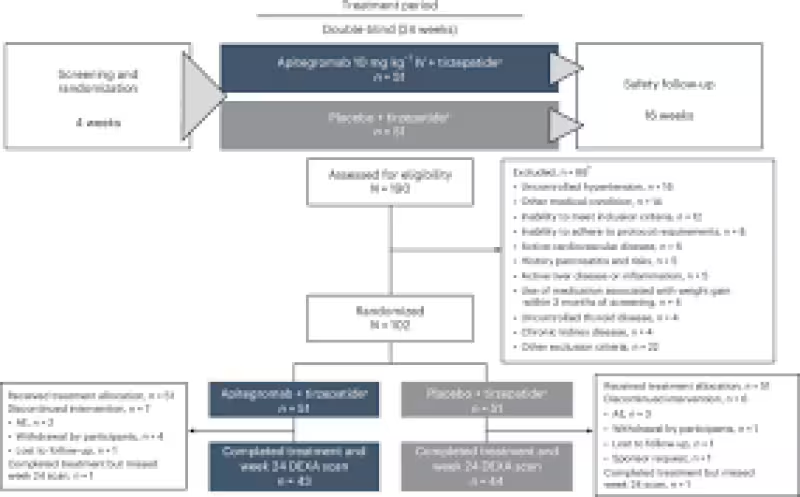
A small clinical trial suggests apitegromab may help people lose weight on tirzepatide without giving up as much lean body mass, a result that matters because some of the weight shed on GLP-1 drugs comes from muscle and other non-fat tissue. After 24 weeks, both groups lost a similar amount of total weight, but the people given apitegromab lost less lean mass than those given placebo.
Researchers reported the findings in Nature Medicine after randomly assigning 102 participants to one of two groups. Fifty-one people received apitegromab with tirzepatide, while 51 received placebo with tirzepatide. In the apitegromab group, average lean mass loss was 1.6kg, equal to 14.6% of total weight loss. In the placebo group, average lean mass loss was 3.5kg. The difference meant apitegromab was linked to a 55% greater retention of lean mass relative to placebo.

That matters because lean body mass includes muscle, and studies have suggested that 25% to 40% of weight loss from GLP-1 medicines such as Wegovy and Mounjaro can come from lean tissue rather than fat alone. Loss of that tissue can affect strength, energy use and day-to-day function, which is why researchers have been looking for ways to preserve it while still allowing people to lose weight.
Apitegromab is a monoclonal antibody that blocks myostatin, a protein that helps inhibit muscle growth. In theory, that gives it a different role from tirzepatide itself, which drives weight loss. Alexander Miras said the concern is that people may be less able to lift heavy weights or walk up a hill if too much lean mass is lost, while also arguing that the new medication could help reduce the effect of GLP-1 drugs on muscle strength and improve functionality.
The early data are encouraging, but they stop short of proving the benefit that matters most. The number of side-effects was similar in both groups and most were mild, yet the study was funded by apitegromab maker Scholar Rock, was small, lasted only 24 weeks and included mostly women. Naveed Sattar said far larger and longer trials are needed, not least to check safety, and said it is too early to know whether the lean-mass benefit actually translates into better health, movement or function. He added that people prescribed these drugs should be supported to increase physical activity, because exercise can help maintain muscle mass in a more natural way.
For now, the result answers one important question and leaves another open. Apitegromab appears to blunt lean mass loss during tirzepatide-driven weight loss, but the next test is whether that preservation turns into better strength, mobility and long-term safety in larger trials.



