



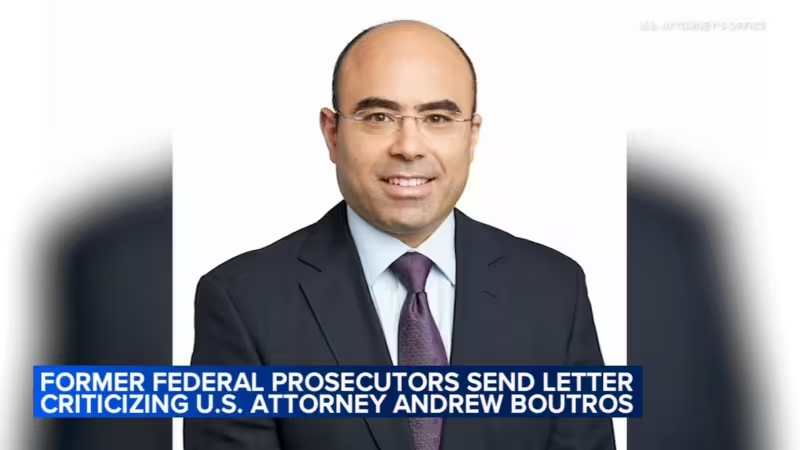
U.S. Attorney Andrew Boutros acknowledged that he spoke to the grand jury that later indicted the Broadview Six, adding a new layer of scrutiny to a case already drawing fire from defense lawyers, senators and some of the same jurors who first heard it. His office said he appeared on Oct. 23, 2025, to remind grand jurors of their obligations under the law and their role in the constitutional form of government.
The disclosure matters because it came in the middle of a dispute over whether prosecutors crossed a line when the top federal prosecutor stepped into proceedings that had already gone badly for the government. Assistant U.S. Attorney Sheri Mecklenburg first presented the case on Oct. 9, 2025, and the grand jurors refused to indict the six protesters, handing up a rare no bill. When Mecklenburg and Assistant U.S. Attorney Matthew Skiba returned a week later, one juror said, “I heard this case like last week and I thought it was a crock of s— then and I still think it is,” before being dismissed.

Boutros’ office said he decided on Oct. 16, 2025, to address three ongoing grand juries because of earlier disturbances and the risk of tension. He gave similar four-minute remarks to two other grand juries that week, saying jurors who could not set aside personal emotions in immigration cases or other matters should identify themselves so a different procedure could be used. The office said he was not trying to sway any case, only to reinforce the role of jurors in the federal system.
Defense lawyer Chris Parente called the appearance “personal contact” and said Boutros’ timing spoke for itself, coming on the day he likely knew the Broadview Six matter would be re-presented. The criticism lands in a case that has already become a flashpoint in Chicago federal court: the defendants were targeted after a Sept. 26, 2025 protest outside a Broadview immigration facility in which an ICE vehicle was damaged, and a first grand jury had already refused to indict before prosecutors tried again. Federal grand juries in Chicago also declined to indict at least four other immigration protesters in the fall.
The fallout widened this week when Illinois Sens. Dick Durbin and Tammy Duckworth called on Boutros to resign. Two hours after his office published its report, the former defendants filed the first of what is expected to be multiple motions for sanctions against the federal government. The unresolved issue is not whether Boutros spoke to the grand jury — he now says he did — but whether that appearance had any effect on jurors weighing an indictment that had already been rejected once before.
That question will now sit alongside the sanctions fight, with more motions expected and the prosecutors’ handling of the Broadview Six case under even sharper review. The episode has also revived concern over how far prosecutors can go in trying to steady a grand jury without appearing to steer it.



