The Arizona Supreme Court has forced the state’s fake electors case back to a grand jury, rejecting Attorney General Kris Mayes’ bid to keep the prosecution on its original track. The ruling on Thursday means prosecutors must present the case again after it sat stalled for more than a year.
The case began in April 2024, when an indictment charged 18 Republicans with forgery, fraud and conspiracy over a document falsely claiming Donald Trump had won Arizona by 10,457 votes. The defendants include two former Trump aides, five lawyers who worked for Trump and 11 Republicans who submitted the document. Three defendants have already resolved their cases, including one who pleaded guilty to a misdemeanor charge, while the rest have pleaded not guilty.

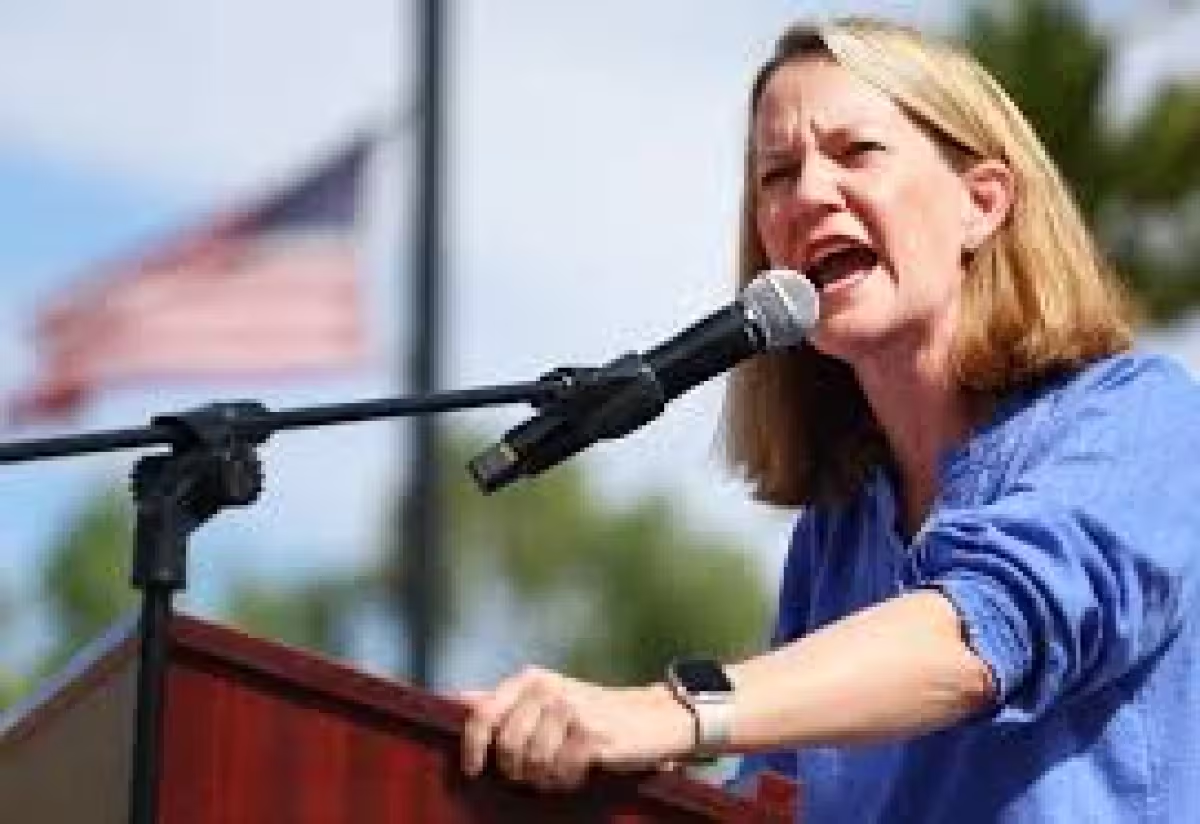
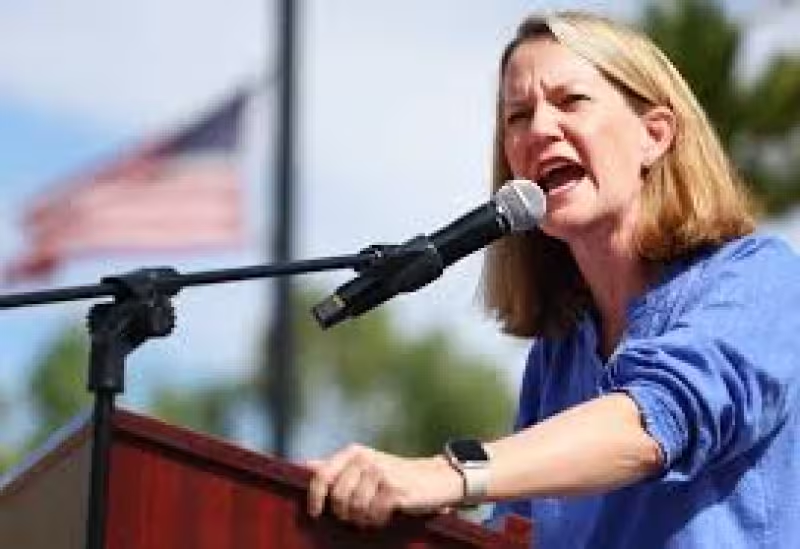
Mayes’ office said it will again present the case in its entirety to a grand jury. Mark L. Williams, an attorney for Rudy Giuliani, said, “In my mind, the whole thing is meritless” and added, “Mr. Giuliani has done nothing wrong.”
The dispute now turns on the same fight that has shadowed the case from the start. Defense lawyers argue the original grand jury was not shown the relevant parts of a law governing how presidential contests are certified, while prosecutors are pressing ahead with a forgery, fraud and conspiracy case. Federal law was amended in 2022 to say any given state can put forward only one slate of electors and that state governors are responsible for signing off.
The ruling keeps the Arizona prosecution of fake electors alive, but it also sends prosecutors back to the beginning of a process that has already dragged on for over a year. How quickly they return to a grand jury, and whether a new indictment would differ from the first one, is now the next question in the case.