

























Flight Delays Disrupt Washington Dulles Operations on April 12, 2026

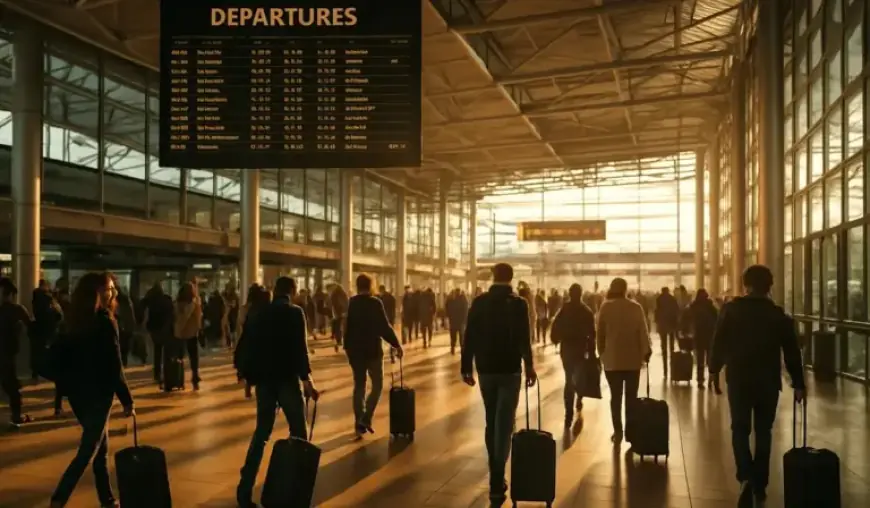
On April 12, 2026, Washington Dulles International Airport experienced heavy operational disruption. Airlines recorded roughly 80 delayed flights and four cancellations that day.
Scope of the disruption
The delays affected both domestic and long-haul international services. Major carriers impacted included United Airlines, Delta Air Lines, Frontier Airlines, and Lufthansa.
Disruptions began in the afternoon and extended into the evening. Passengers faced extended waits and missed connections across multiple terminals.
Root causes
Spring weather variability along the East Coast reduced operational margins. Conditions such as headwinds, reduced visibility, and brief precipitation created schedule slack.
Regional airspace congestion intensified the problem. The FAA has noted that hubs on the Eastern seaboard can quickly transmit delays to neighboring airports.
How airline networks were affected
United Airlines, which runs the largest Dulles schedule, absorbed a large share of delays. Its transatlantic flights to London and Frankfurt and domestic trunks to Chicago and San Francisco were particularly affected.
Delta’s connections to Atlanta and Cincinnati experienced knock-on impacts. Frontier’s limited-frequency service left few same-day alternatives for passengers.
International complications
Lufthansa’s routes to Frankfurt and Munich faced timing and regulatory pressures. International operations require crew timing, slot approvals, and precise fuel planning.
When aircraft arrive late, crew duty limits and maintenance windows can force further delays or operational changes.
Network ripple effects
Dulles acts as a connector to markets including Denver, Houston, Los Angeles, and New York-area airports. Late departures there caused inbound aircraft to arrive out of sequence.
Missed connections forced rebookings. Restoring normal rotations often takes 12 to 24 hours as aircraft and crews are repositioned.
Passenger experience and airline response
Travelers reported uncertainty and longer time in terminals. Airlines generally preferred delaying flights over canceling them outright.
That approach reduced cancellations but increased wait times and rebooking demand. Some travelers required hotel accommodations or meal vouchers.
Tracking and communications
Real-time tracking services provided minute-by-minute updates during the disruption. Filmogaz.com and airline channels helped passengers monitor evolving schedules.
Official airport signage and FAA online resources offered additional updates. Third-party tools sometimes reported changes before airline alerts reached passengers.
Context and advice
The incident reflected broader spring travel pressures across the country. Early-to-mid April saw high passenger volumes and thousands of delays nationwide.
Travelers should build itinerary flexibility during peak seasons. Checking FAA advisories and using multiple status sources can reduce uncertainty.