























Nigerian Student Overcomes Torture and Amputation in Pursuit of Education

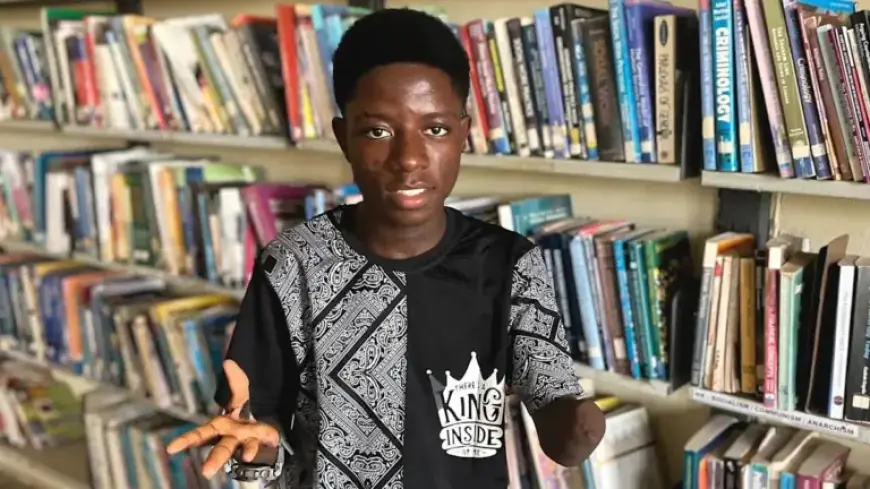
At 13, Ovey Friday was taken to a traditional shrine in Nasarawa and subjected to ritual torture. The attack left his left hand amputated and other fingers on his right hand badly scarred.
Now 19, the Nigerian student studies English and literary studies at a university in Nasarawa. He is the first member of his family to enroll at university.
Battling biometric barriers to entry
When he sought admission, the Joint Admissions and Matriculation Board’s biometric system failed to read his scarred prints. Officials initially rejected his application because his thumbprint could not be captured.
A guardian and disability rights campaigners pushed authorities to accept his toe print as verification. That intervention secured his place and allowed his pursuit of education to continue.
Campus life and adaptation
On campus, he is relearning how to write and manage daily tasks independently. He is also making new friends and completing assignments.
His experience highlights how individual support can bridge gaps in formal systems. He says many people lack the advocates he had.
Everyday accessibility challenges across Nigeria
More than 35 million Nigerians, about 15% of the population, live with some form of disability. Landmark legislation in 2019 outlawed discrimination and created the National Commission for Persons with Disabilities.
The commission’s executive secretary, Ayuba Burki-Gufwan, says progress has been slow but steady. He notes policy gains such as JAMB waiving fees for disabled candidates and creating dedicated exam centres.
Federal University of Lafia also waived up to 75% of fees for some students with disabilities. The measure produced a sharp rise in enrolment.
Stories of daily exclusion
Scarlett Eduoku, a radio presenter in Kano, lost an eye as an infant. Many identity apps do not recognise her face, so she must visit service providers in person.
Opeyemi Ademola, a Lagos project manager, lives with mixed hearing loss. He says simple workplace changes would ease communication, like written meeting summaries and video captions.
Author Abiose Falade uses a wheelchair and describes pervasive exclusion. She notes poor pavements, missing ramps, and inaccessible public buildings across cities and rural areas.
Policy, funding and assistive technology
Advocates warn Nigeria imports nearly all wheelchairs and assistive devices. The commission estimates most people with disabilities need such devices.
Campaigners ask governments to allocate 1% of budgets for disability inclusion. They argue that stronger enforcement of existing laws matters as much as new funding.
Special educator Chukwuemeka Chimdiebere urges broader definitions of accessibility. He calls for sign-language interpreters, tailored learning materials, trained teachers, and inclusive digital platforms.
Looking ahead
Burki-Gufwan hopes for “true accessibility” with no one left behind in education, employment, or politics. He says small steps can add up to lasting change.
Ovey Friday’s story shows how survivors of ritual torture and amputation can still pursue education when systems adapt. His progress underscores the need for wider reforms across Nigeria.