






















Junk Food Ban to Impact SNAP Benefits for Thousands of Recipients

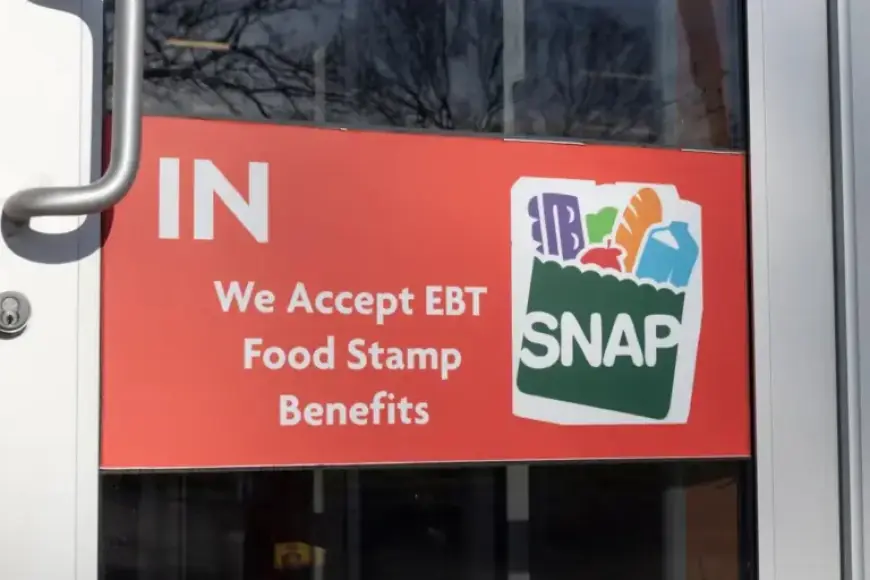
Alabama lawmakers have approved legislation directing the state to seek federal permission to bar purchases of candy and soda with SNAP benefits. Governor Kay Ivey signed SB57, sending the plan to the U.S. Department of Agriculture’s Food and Nutrition Service for review.
What the law would change
The measure would request a federal waiver to make candy and regular soda ineligible for purchase with SNAP. If the waiver is granted, the restrictions would take effect on October 1.
About 750,000 Alabamians who use SNAP could be affected by the change. The Alabama Department of Human Resources will submit the waiver request to the federal agency.
Definitions and retailer rules
The bill sets specific definitions for covered items. Candy is defined by listing sugar or corn syrup as a primary ingredient.
- Included: chocolate bars, candy, chewing gum.
- Excluded: prepared desserts, bakery items, and ingredients used for cooking and baking.
Soda is defined by beverages whose first two ingredients are carbonated water and a caloric sweetener. Diet sodas with low or non-caloric sweeteners would remain allowable.
Retailers who accept SNAP payments for these items more than three times in a fiscal year could face penalties. The bill authorizes fines or other sanctions for repeated violations.
Supporters’ rationale
Republican state Senator Arthur Orr and state Representative Reed Ingram sponsored the bill. They cited Alabama’s high obesity rates and rising Medicaid costs.
Governor Ivey framed the measure as a public-health effort. She said restricting sugary purchases could encourage healthier diets among SNAP recipients.
Criticism and concerns
Opponents argue the restrictions may not significantly improve health outcomes. Critics say low-income households often choose calorie-dense foods because they cost less per calorie.
Nutrition professionals working with food-insecure families say better access to fruits and vegetables could be more effective. They warn that limiting eligible items may simply shift buying patterns without increasing nutrition.
Political and legislative notes
The Senate passed the bill after the House removed an amendment that would have banned energy drinks. The measure now awaits a federal decision.
What happens next
If the USDA Food and Nutrition Service approves the waiver, the state will implement the changes on October 1. If denied, the current SNAP rules will remain in place.
This junk food ban and the broader policy debate underscore tensions between public-health goals and low-income household autonomy. Filmogaz.com will monitor developments about the Impact SNAP Benefits for Thousands of Recipients as the federal review proceeds.