























Maximize Savings: Expert Tips on Using Solar Panels Effectively

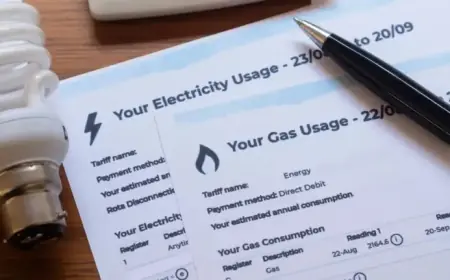
Household energy costs in the UK are set to rise in the coming months. This pressure persists despite a fragile ceasefire in the Gulf.
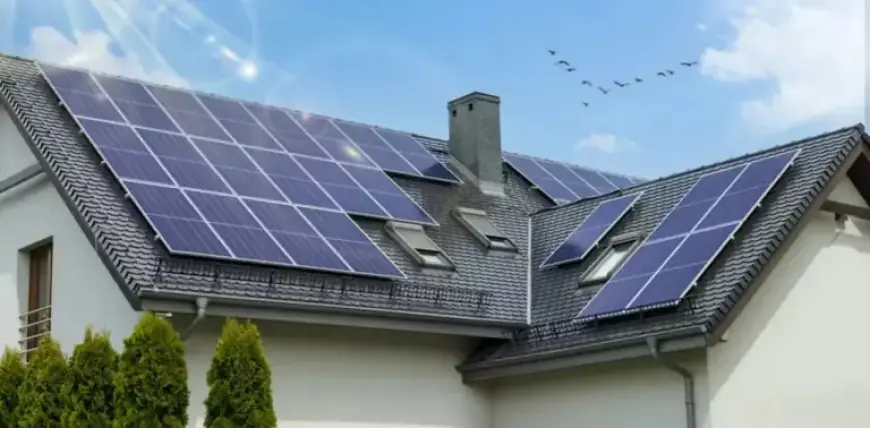
Solar capacity across the UK has expanded rapidly. By February 2026, installations reached about 22 gigawatts from nearly two million systems.
Market movement and policy
Sales jumped sharply in March. One renewable firm reported a 54% uplift in panel sales that month.
The government plans to broaden solar use to strengthen energy security. Officials have also announced plug-in solar will soon be available in the UK.
What is plug-in solar?
Plug-in solar refers to small, portable arrays. Typical units are about 800 watts and mount on balconies or outer walls.
They plug into a household socket and need no electrician. Safety standards and guidance are still to be finalised in the UK.
These systems are common in Europe. Germany had roughly four million plug-in units in 2025.
How much energy can they produce?
Output varies with mounting, orientation and shading. A vertically mounted 800W balcony unit usually generates about 150–350 kWh per year.
UK homes typically use 2,700–3,000 kWh annually. That means a plug-in system can cover roughly 5–12% of yearly demand.
Practical limits
Solar power is produced during daylight. Many households use more electricity in the evening.
Daytime absence can limit the direct financial benefit. Timing of use matters as much as generation.
Batteries and cost-effectiveness
Small batteries of about 1–2 kWh cost between £500 and £1,500. They can store surplus solar output for later use.
Because generation from plug-in systems is small, payback can be long. Typical return periods range from seven to ten years.
- Standard UK electricity rates sit around 24–30p per kWh, according to Ofgem.
- A battery shifting 1–2 kWh daily might save about 25–45p per day.
- That equates roughly to £90–£160 per year, depending on patterns and season.
Smart tariffs and higher returns
Combining batteries with time-of-use tariffs improves value. Off-peak grid power often costs 7–9p per kWh overnight.
Discharging during peak periods can avoid rates of 30–35p per kWh. Typical off-peak windows run from midnight to around 5am–6am.
For example, a 1.9 kWh battery costing about £1,500 has modest returns if it stores only surplus solar. Returns grow when it also charges on cheap overnight tariffs.
- Daily savings can be ~25–45p, rising to £1–£1.50 per day for larger 5 kWh systems.
- Combined solar and smart charging could yield £200–£300 per year for small systems.
- Larger battery setups might save around £500–£650 annually.
These figures suggest payback times near five to six years for optimised systems. Larger systems can shorten the payback period further.
Devices and examples
Some portable batteries already on the market supply low continuous power. One example provides about 250–300 watts and can run appliances for six to eight hours.
In the future, similar units could charge from balcony solar arrays. This would improve daily usability for many households.
Practical advice
To maximize savings, households should shift energy use to daytime when possible. Expert tips include running appliances and charging devices while solar generation occurs.
Using battery storage and smart tariffs helps when daytime use is not possible. For many, using solar panels effectively requires a mix of technologies and behavioural change.
Filmogaz.com will continue to follow developments as standards and guidance are established in the UK. Policymakers and consumers should watch how plug-in systems and batteries evolve.