

























Aboriginal Investment Strategy Sparks Concerns Over Effectiveness

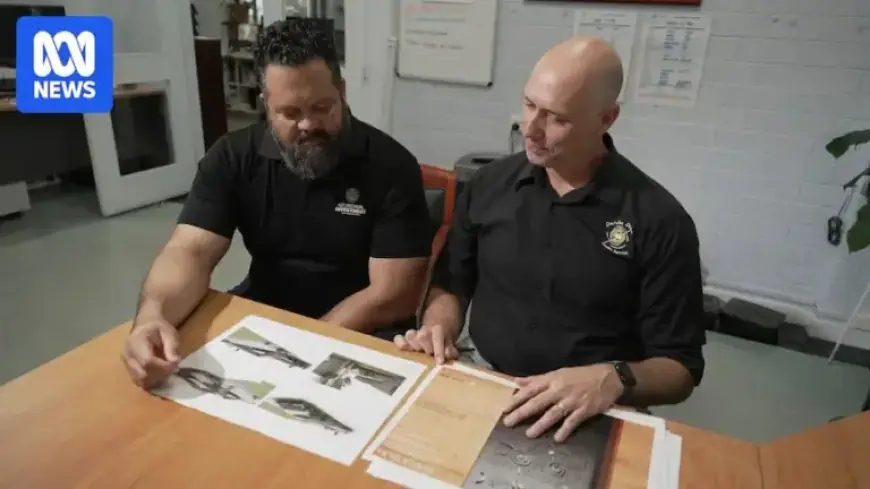
Indigenous communities in Australia are navigating significant poverty and health challenges while being offered a substantial investment opportunity. The federal government has entrusted Aboriginal Investment NT (AINT) with $680 million from mining royalties, aiming to foster economic self-sufficiency and promote cultural health.
Funding Initiatives and Challenges
AINT has set aside approximately $500 million in a future fund to sustain its investment portfolio. Chief Executive Nigel Browne emphasizes the need for careful management of limited resources. Recent projects funded include a black-lip oyster farm on Groote Eylandt and various health services across the Northern Territory.
- Community grants capped at $10 million annually.
- Business grants limited to about $150,000 each.
- AINT awarded $15 million in grants last year, including $1 million to Danila Dilba for a new health centre in Palmerston.
Danila Dilba Chief Executive Rob McPhee highlighted that this grant will be essential for securing additional funding necessary for the new facility, which aims to alleviate service overload.
Criticisms of AINT’s Strategy
Despite these initiatives, AINT’s conservative funding approach has led to criticism from experts like Michael Dillon from the Australian National University (ANU). Dillon argues that the allocation of small grants will not substantially impact Indigenous communities. He advocates for a more ambitious investment strategy that supports larger businesses, similar to the successful model established by Centrecorp.
Additional insights from ANU researcher Jon Altman indicate that AINT faces constraints due to a mandated investment strategy imposed by the federal government. This limitation could hinder its potential to create a significant impact with its funding.
Future Prospects for Aboriginal Investment NT
The federal government is projected to invest $842.6 million over six years in remote Aboriginal communities. If AINT can demonstrate successful outcomes, there may be opportunities to access more funds from the Aboriginals Benefit Account.
Browne noted that AINT is exploring options for larger projects and potential partnerships with external investors, including superannuation funds, to enhance project funding and impact.
In conclusion, while the Aboriginal Investment Strategy aims to improve the fate of Indigenous Australians, its effectiveness remains under scrutiny as stakeholders push for more proactive measures and substantial investment opportunities.