
























Biologist Plans Autopsy: Can Whale Songs Rescue Timmy the Whale?

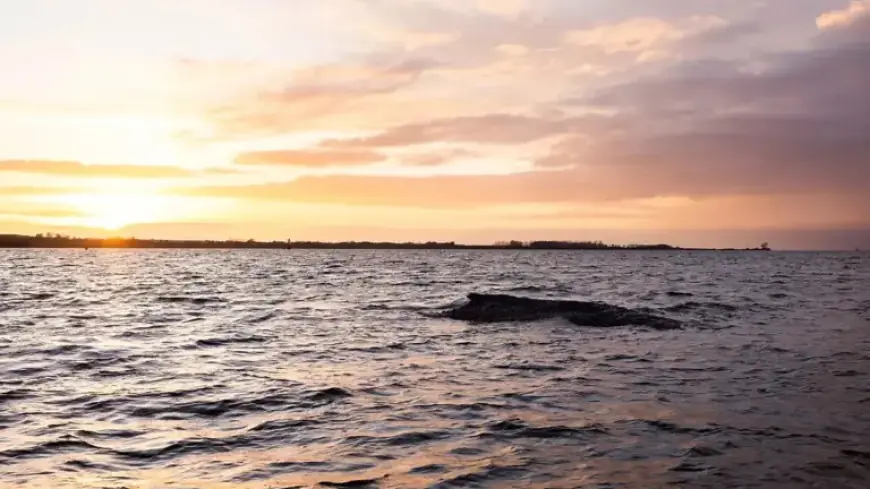
A weakened humpback whale, known to the public as Timmy, remains stranded near the island of Poel. Marine staff from the German Oceanographic Museum in Stralsund are leading the assessment. A biologist plans autopsy as part of the ongoing work.
Scientific assessment and rescue prospects
Mecklenburg-Western Pomerania’s Environment Minister Till Backhaus said chances of saving the whale appear slim. Officials called any hope of a full recovery unrealistic. The team notes the animal has made unusual noises recently.
Scientists are investigating whether playing whale songs underwater might stimulate movement. The minister described the idea as a minimally invasive attempt to mobilise the animal. Marine researchers will test recorded calls to see if they prompt a reaction.
Condition and behaviour
Marine biologist Anja Gallus said the whale is not emaciated but has fed poorly recently. She warned rescue staff may have to wait until the animal starves to death. Whales can survive without food for up to six months, she noted.
Observers say Timmy repeatedly returned to shallow coastal waters. That is not normal for a humpback. The animal also emitted a low, growling sound at the end of March.
Autopsy preparations and public responses
Lisa Klemens from the Stralsund museum is preparing for the autopsy. She has faced insults and threats online. Colleagues prefer not to assign personal names to wild animals, but Klemens uses the public nickname Timmy.
The regional Ministry of the Environment in Schwerin published its assessment report online. That move aimed to address public criticism. Researchers say many accusations lack scientific basis.
Gillnets and broader conservation concerns
Stralsund scientists suspect the whale was entangled in a gillnet. Such nets regularly trap harbour porpoises in the Baltic Sea. Environmental groups have long warned about the risks.
Set nets can reach 15 metres in height and extend up to 15 kilometres. Greenpeace and others highlight the heavy bycatch toll. Ducks, sea birds, and marine mammals often die after becoming trapped.
Lisa Klemens warned that public attention on Timmy can overshadow wider threats. She urged more focus on the lethal impact of gillnets. Many animals die in them without the same media attention.
Reporting and next steps
The original account was first published on 12 April 2026 and credited to Kirsten Ripper. German public broadcaster NDR reported the recent noises and the proposal to play whale songs. The scientific team will proceed cautiously with any intervention.
Experts emphasise patience and evidence-based choices. They say any action must balance welfare and the likelihood of meaningful benefit. Public interest has raised awareness of broader Baltic Sea conservation issues.