























Strait of Hormuz Standoff: Iran’s Nuclear Stockpile Triggers Diplomatic Impasse

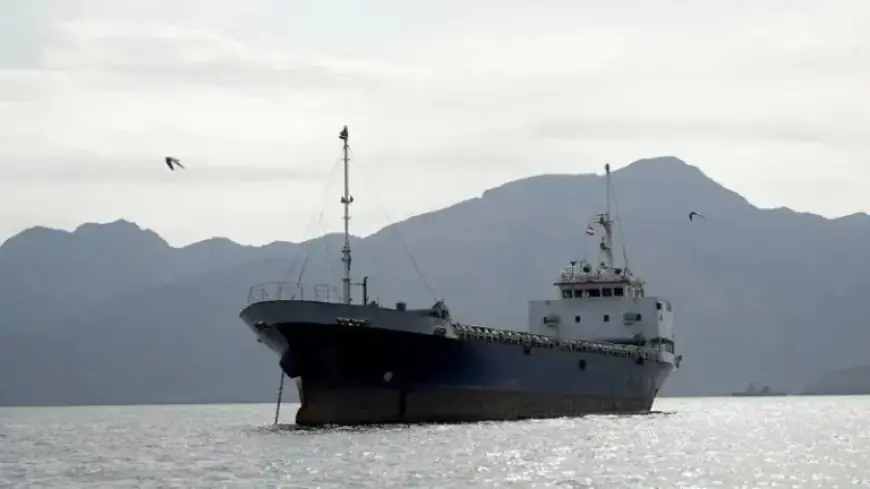
Recent negotiations between the United States and Iran in Pakistan have culminated in a diplomatic stalemate. Both sides struggled to reach agreements, particularly concerning Iran’s nuclear ambitions and the status of the Strait of Hormuz.
Key Issues in the Strait of Hormuz Standoff
The talks, which extended into the early hours of Sunday, exposed several critical areas of contention. US officials highlighted that progress on the following points was essential for negotiations to continue:
- Iran’s nuclear stockpile and enrichment activities
- The reopening of the Strait of Hormuz
- Sanction relief from the United States
Vice President JD Vance emphasized the firm stance of the US delegation, clarifying “red lines” that Iran could not cross. Key demands from the US included:
- Ending uranium enrichment
- Dismantling major nuclear facilities
- Retrieving highly enriched uranium
- Accepting a broader peace and security framework
- Ceasing funding for terrorist proxies
- Fully opening the Strait of Hormuz without tolls
Diplomatic Impasse and Future Prospects
After extensive discussions, neither side could find common ground. Iran’s refusal to abandon its nuclear ambitions heavily influenced the talks, leading to a declaration of failure. As tensions rise, President Donald Trump aired concerns about Iran’s continued nuclear pursuits, warning of severe consequences if it maintains its current course.
The future of negotiations remains uncertain. Trump suggested that Iran might eventually return to the table for discussions. He expressed confidence that Tehran would agree to US terms, while also asserting that military options were still on the table if necessary.
Impact on Global Stability
The stalemate over the Strait of Hormuz raises significant concerns for global energy markets. This critical waterway plays a vital role in international oil transportation, and its closure could lead to widespread economic issues. US officials acknowledged the urgency of resolving this situation to stabilize international relations and energy prices.
Negotiators from both sides departed without reaching an agreement. Analysts note that Iran’s past experience with complex negotiations could either hinder or aid future discussions. Given the tight timeline and rising tensions, the international community will be watching closely to see if either side can shift its position in the coming weeks.
As the situation develops, Filmogaz.com will continue to provide updates and insights into this ongoing diplomatic effort.